


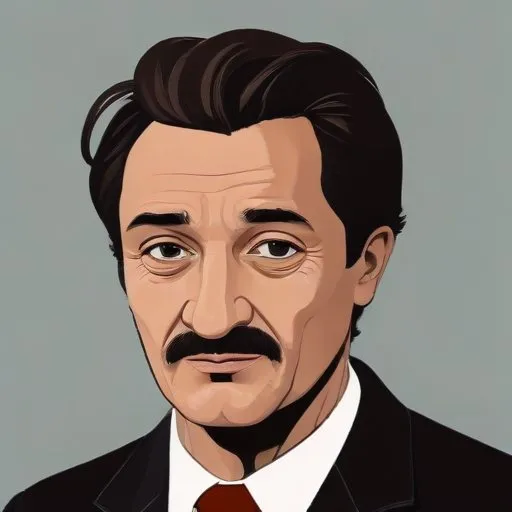
A Hungarian writer and journalist who explored themes of social justice and morality in his works, influencing the country's literary scene.
Sándor Bródy, a renowned Hungarian author and journalist, is best known for his thought-provoking works that delved into the darker aspects of human existence. Through his writing, he masterfully portrayed the struggles and complexities of everyday life, earning him a reputation as a pioneer of Hungarian realism.
Born on July 23, 1863, in Eger, Hungary, Bródy came from a Jewish family and was drawn to literature from a young age. After completing his education in Eger, he devoted himself entirely to writing, becoming an editor for the Erdélyi Híradó and later, a contributor to leading literary publications in Hungary.
Bródy's works were deeply influenced by the modern French realistic school, and he is often credited with introducing this style to Hungarian literature. His stories and novels often explored the harsh realities of life, shedding light on the struggles of the common man. His writing was both poignant and thought-provoking, leaving a lasting impact on Hungarian literature.
In recognition of Bródy's significant contributions to Hungarian literature, the Sándor Bródy Prize was established in 1995 by his grandson, Alexander Brody. This prestigious award honors the best first novel of the year published in Hungarian. Additionally, Bródy Sándor utca, a street in central Budapest, and the Brody House hotel and club were named after him, cementing his legacy in Hungarian cultural heritage.
Bródy's personal life was marked by a notable relationship with actress Margit Hunyady, with whom he had a son, Sándor Hunyady, out of wedlock. He later married Izabella Rosenfeld, an author in her own right, and they had five children together. Despite the complexities of his personal life, Bródy remained dedicated to his craft, leaving behind a rich literary legacy.
Born in 1878
A Hungarian-American author and playwright renowned for his witty, satirical plays and novels that often explored the human condition, love, and social class. His works are still widely performed and adapted today.
Born in 1885
A Hungarian literary mastermind, celebrated for his innovative, psychologically nuanced novels and poetry that probed the human condition, often with a touch of irony and humor.
Born in 1887
A Hungarian literary giant, known for his witty, satirical writings and pioneering the concept of "six degrees of separation" in his 1929 short story "Chains".
Born in 1885
A Hungarian philosopher and critic who developed Marxist theory and critiqued capitalism, known for his ideas on reification and the role of class consciousness in shaping society.
