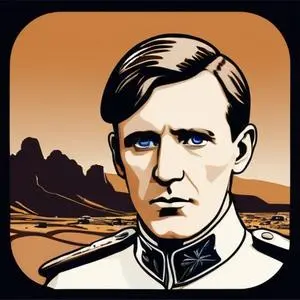
T. E. Lawrence: The Enigmatic Hero of the Arab Revolt
The Architect of Arabian Independence
T. E. Lawrence, famously known as Lawrence of Arabia, was a British archaeologist, army officer, diplomat, and writer who orchestrated the Arab Revolt against the Ottoman Empire during World War I. His remarkable role in this campaign and his vivid writings about it earned him international fame, cementing his place as one of the most fascinating figures of the 20th century.
A Turbulent Early Life
Born on August 16, 1888, in Wales, Lawrence was the illegitimate son of Sir
Thomas Chapman and Sarah Junner, a governess. His parents' illicit relationship led them to flee Ireland, assuming the surname "Lawrence" to avoid scandal. This unconventional upbringing would later influence Lawrence's unconventional approach to life.
Pursuing Ancient Secrets
Lawrence's academic prowess led him to study history at Jesus College, Oxford, from 1907 to 1910. His fascination with archaeology soon took him to the Middle East, where he worked for the British Museum between 1910 and 1914, excavating at Carchemish in Ottoman Syria. This experience would later prove invaluable in his wartime endeavors.
The Arab Bureau and the Great War
With the outbreak of World War I, Lawrence enlisted in the British Army and was posted to the Arab Bureau, an intelligence unit in Egypt. In 1916, he embarked on a series of intelligence missions to Mesopotamia and Arabia, where he became acquainted with the leaders of the Arab Revolt. His exceptional understanding of the region and its people led him to play a pivotal role in supporting the Arab Kingdom of Hejaz's independence war against the Ottoman Empire.
The Lion of Arabia
Lawrence's involvement in the Arab Revolt earned him the respect and admiration of the Arab leaders, particularly Emir Faisal. He participated in several daring military campaigns, culminating in the capture of Damascus in October 1918. His bravery, tactical genius, and cultural sensitivity earned him the sobriquet "Lawrence of Arabia."
Diplomatic Service and Post-War Era
After the war, Lawrence joined the British Foreign Office, working closely with the British government to shape the modern Middle East. He played a key role in the Paris Peace Conference, advocating for Arab independence and self-determination. His experiences during this period are chronicled in his seminal work,
Seven Pillars of Wisdom.
A Legacy of Contrasts
Lawrence's life was marked by contradictions: a warrior-scholar, a diplomat-rebel, and an establishment figure-outsider. His complex personality, coupled with his extraordinary achievements, has inspired numerous films, books, and adaptations, solidifying his place in popular culture.
Major Works and Awards
- Seven Pillars of Wisdom (1926) - a memoir of his experiences during the Arab Revolt
- The Mint (1936) - a semi-autobiographical account of his experiences in the Royal Air Force
- CBE (Companion of the Order of the British Empire) in 1918 for his services during the war
A Life of Enigma and Tragedy
Lawrence's later years were marked by tragedy and personal turmoil. He died on May 19, 1935, at the age of 46, in a motorcycle accident in Dorset, England. The enigmatic hero of the Arab Revolt left behind a legacy of contradictions, mystique, and fascination, forever etched in the annals of history.
FAQ
What was T.E. Lawrences role in the Arab Revolt?
Lawrence played a crucial role in the Arab Revolt, serving as a British liaison officer and military strategist, helping to coordinate Arab forces against the Ottoman Empire.
How did T.E. Lawrences experiences in Arabia shape his views on politics and identity?
Lawrences experiences in Arabia deeply influenced his views on politics and identity, leading him to question the nature of colonialism and the importance of understanding and respecting local cultures.
What are some of T.E. Lawrences notable literary works?
Lawrences notable literary works include Seven Pillars of Wisdom, his memoir of the Arab Revolt, as well as Revolt in the Desert, a shorter account of his experiences.
How did T.E. Lawrences military career influence his writing?
Lawrences military career and experiences in Arabia informed his writing, which often explored themes of war, identity, and the complexities of human relationships.
What legacy did T.E. Lawrence leave in the fields of politics and literature?
Lawrences legacy includes his contributions to the development of modern Middle Eastern politics, as well as his influential literary works, which continue to inspire and provoke readers to this day.