


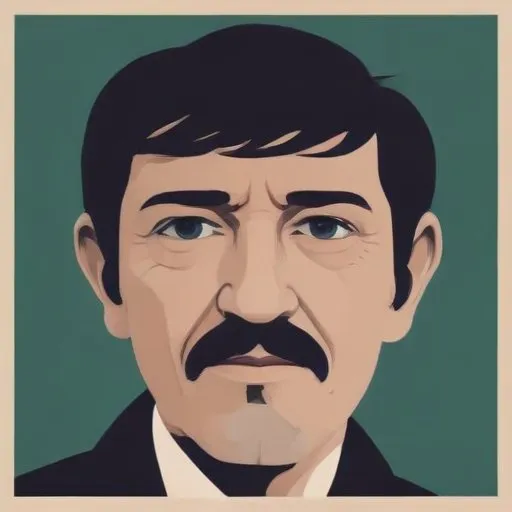
A 19th-century Welsh poet and architect who designed buildings and wrote poetry that celebrated Welsh culture and language. His works are still studied and admired in Wales today.
Talhaiarn, born John Jones, was a multifaceted genius who left an indelible mark on the world of poetry, architecture, and Welsh culture. As a renowned poet and architect, he was known for his remarkable works that blended art, language, and national pride.
Born on January 19, 1810, in Llanfair Talhaearn, Denbighshire, Talhaiarn was raised in an environment that fostered his creative spirit. He was apprenticed to Thomas Penson, a respected architect and county surveyor, between 1830 and 1843. This formative experience laid the foundation for his future achievements in both poetry and architecture.
Talhaiarn's poetry was characterized by its lyricism, depth, and emotional resonance. His works, such as "Bugeilior Gwenith Gwyn" (Watching the Wheat) and "Mae Robin yn Swil" (Robin is Shy), are still celebrated for their beauty and nuance. As an architect, he worked on various projects, including the iconic Crystal Palace in London, under the guidance of Sir Joseph Paxton.
Talhaiarn was a proud advocate for Welsh culture and language. He was an active member of Cymdeithas y Cymreigyddion in London and served as its president in 1849. His commitment to preserving Welsh heritage was reflected in his poetry, which often explored themes of national identity, history, and tradition.
Although Talhaiarn faced setbacks in his career, including failed attempts to win the chair at the Eisteddfod, he was eventually accepted into Gorsedd y Beirdd in Bala in 1869. His contributions to Welsh literature and culture were acknowledged through his bardic name, derived from the place of his birth and the 6th-century Welsh poet Talhaearn Tad Awen.
Talhaiarn collaborated with John Thomas on the "Welsh Melodies with Welsh and English Poetry" series, a collection of four volumes that showcased his poetry and Thomas's music. This pioneering work helped to promote Welsh cultural heritage and paved the way for future generations of artists.
Talhaiarn's life was marked by both triumph and tragedy. Despite his many achievements, he struggled with ill health and personal struggles, which ultimately led to his tragic death in 1869. He is buried under a yew tree at St. Mary's Church in Llanfair Talhaearn, a poignant reminder of his enduring legacy.
"The language of the Welsh is the staff of life, and the staff of life is the language of the Welsh." - Talhaiarn
Talhaiarn's remarkable life and career serve as a testament to the power of art, language, and cultural heritage. As a poet, architect, and advocate for Welsh culture, he left an indelible mark on the world, inspiring future generations to cherish and celebrate their own unique cultural identities.
39 Years Old
A dominant light heavyweight champion in the Ultimate Fighting Championship (UFC), known for his impressive fighting skills and controversial career.
Born in 1852
The 24th Premier of South Australia, a Welsh-Australian politician who served from 1905 to 1909 and implemented various reforms, including workers' compensation and electoral reform. He's also known for his role in shaping the state's economy and infrastructure.
