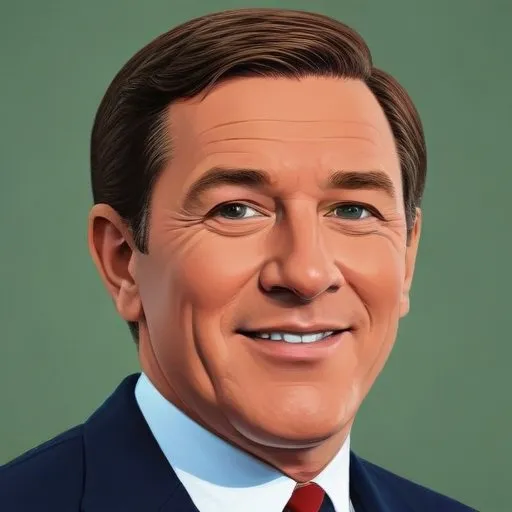
Ted Husing: The Pioneer of Modern Sports Broadcasting
A Legendary Voice in American Sports
Ted Husing is renowned for laying the groundwork for the structure and pace of modern sports reporting on radio and television. As one of the first and most influential American sports commentators, Husing's iconic voice and descriptive language set the tone for generations of sports broadcasters to come.
Early Life and Career
Born on November 27, 1901, in The Bronx, New York, Husing was the youngest of three children to German immigrant parents. Growing up, he was an athletic prodigy, actively participating in four sports at Stuyvesant High School and earning the title of all-scholastic center in football. At just 16, he joined the National Guard and was assigned to stand watch over New York's harbor during World War I.
Discovering His Calling
After the war, Husing floated between various jobs, from carnival barker to payroll clerk. However, his life took a dramatic turn when he won an audition over 500 other applicants for announcer at New York City radio station WHN. Under the tutelage of pioneer broadcaster J. Andrew White, Husing developed his skills, covering breaking news stories, political conventions, and football commentaries.
Rapid Rise to Fame
By 1926, Husing was working at WJZ, where he became the specialist in announcing dance programs. His rapid manner of speech earned him the nickname "Mile a Minute Husing." A newspaper article reported that Husing was selected for the job out of 610 applications for the position of announcer at station WJZ. By 1927, he was voted the seventh most popular announcer in a national poll.
Defining Characteristics
Husing's use of descriptive language combined with his commanding voice made his broadcasts must-listen events. He was known for his vivid storytelling, painting a picture of the game in the listener's mind. His excitement and energy were infectious, drawing in audiences and setting the standard for future sports commentators.
Legacy and Impact
Ted Husing's influence on modern sports broadcasting is immeasurable. He paved the way for legendary commentators like
Vin Scully and
Bob Costas, and his legacy continues to inspire new generations of sports broadcasters. Husing's contributions to the world of sports earned him a place in the National Sportscasters and Sportswriters Association Hall of Fame in 1963.
Personal Milestones and Key Life Events
- 1926: Started working at WJZ, announcing dance programs
- 1927: Voted seventh most popular announcer in a national poll
- 1962: Passed away on August 10, at the age of 60
Philosophical Contributions and Beliefs
Husing believed that sports broadcasting should be about more than just reporting the game. He advocated for storytelling and painting a vivid picture of the game in the listener's mind. His philosophy continues to shape the way sports are broadcast today.
Fun Facts and Trivia
- Husing's father, Henry, was a fan of middleweight boxing champ Jimmy Edward Britt, which inspired Husing's full name, Edward Britt Husing.
- As a teenager, Husing was active in four sports at Stuyvesant High School.
Ted Husing's enduring legacy in the world of sports broadcasting is a testament to his hard work, dedication, and innovative spirit. His impact continues to be felt, inspiring new generations of sports commentators and enthusiasts alike.
FAQ
What was Ted Husings role in American sports broadcasting?
Ted Husing was a renowned American sportscaster who played a significant role in shaping the industry. He was one of the first sportscasters to gain national recognition and was known for his distinctive voice and style.
How did Ted Husings broadcasting style influence American sports culture?
Husings style, which blended excitement, enthusiasm, and expertise, helped to shape the way sports were presented on radio and television. He is often credited with creating the modern sports broadcasting format.
What sports events did Ted Husing famously broadcast?
Husing broadcast a range of iconic sports events, including the World Series, the Olympics, and the Rose Bowl. His coverage of the 1936 Summer Olympics helped to introduce the Games to a wider American audience.
How did Ted Husings work impact the development of television sports broadcasting?
Husings transition to television in the 1940s helped to establish the medium as a platform for sports broadcasting. He was one of the first sportscasters to make the transition from radio to television.
What awards and recognition did Ted Husing receive for his contributions to sports broadcasting?
Husing received numerous awards for his contributions to sports broadcasting, including the Ford Frick Award and the Sports Lifetime Achievement Award.