


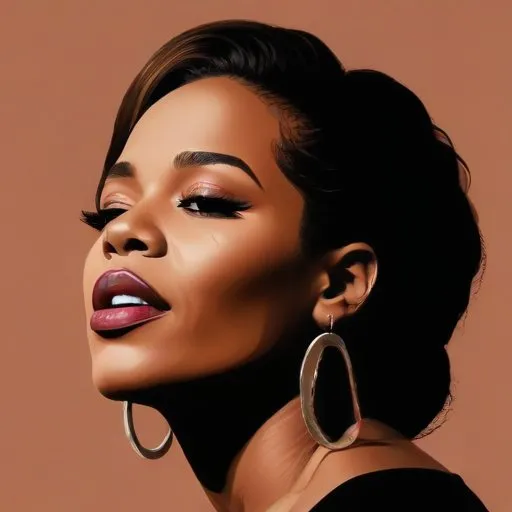
A popular jazz and swing singer of the 1940s and 1950s, known for her smooth, sultry vocals and interpretations of standards.
Teddi King, an American jazz and pop vocalist, is best known for her rich, velvety voice and captivating stage presence, which earned her a devoted cult following and critical acclaim in the 1950s and 1960s. Born Theodora King in Boston, Massachusetts, she left an indelible mark on the music world with her unique blend of jazz, pop, and torch songs, recording with legendary musicians and leaving behind a legacy that continues to inspire new generations of music lovers.
King's journey to stardom began when she won a singing competition hosted by Dinah Shore at Boston's Tributary Theatre. This propel her to tour with a revue, entertaining military personnel during the lull between World War II and the Korean conflict. During this time, she honed her vocal and piano skills, eventually recording with Nat Pierce in 1949 and later with the Beryl Booker trio and other small groups.
King's big break came when she toured with George Shearing for two years, starting in the summer of 1952. Managed by George Wein, she signed with RCA and released her debut album, Bidin' My Time, in 1956. The album spawned the hit single "Mr. Wonderful," which reached the Top 20 on the Billboard charts. This was followed by two more successful singles, "Married I Can Always Get" and "Say It Isn't So," both of which made the Billboard Hot 100.
King's 1959 album, All the King's Songs, received widespread critical acclaim for its innovative approach to interpreting the signature songs of contemporary male singers like Frank Sinatra and Nat King Cole. This album showcased her remarkable vocal range and emotional depth, solidifying her position as a leading lady of jazz and pop.
In the 1960s, King opened the Playboy Club, where she frequently performed. After developing lupus, she made a brief comeback in 1977 with an album featuring Dave McKenna. Sadly, she passed away on November 18, 1977, due to complications from the disease. Despite her untimely passing, King's legacy lives on through her music, which continues to inspire and delight audiences today.
Teddi King's remarkable life and career serve as a testament to her enduring talent, resilience, and passion for music. Her contributions to the world of jazz and pop continue to resonate with audiences, ensuring her place as a timeless legend of American music.
Born in 1915
Legendary jazz vocalist and actress known for her expressive, emotive singing style and iconic songs like "God Bless the Child" and "Strange Fruit".
Born in 1917
A virtuosic jazz vocalist known for her pure, expressive tone, impeccable phrasing, and incredible scat singing abilities. She won 13 Grammy Awards and recorded over 200 albums.
Born in 1924
A highly influential jazz vocalist known for her rich, velvety tone and impressive technical ability, particularly in the bebop and swing genres.
Born in 1920
A renowned jazz vocalist, pianist, and actress who interpreted lyrics with emotional depth and phrased with impeccable timing, known for her distinctive, expressive voice and impressive scat singing abilities.
Born in 1924
A legendary jazz vocalist and pianist, known for her powerful, soulful voice and iconic renditions of blues and jazz standards.
Born in 1920
A sultry-voiced jazz singer-songwriter and actress who mesmerized audiences with her smooth, velvety tone and timeless hits like "Why Don't You Do Right?" and "Fever".
Born in 1919
Jazz vocalist known for her distinctive, virtuosic singing style and iconic performances at the 1958 Newport Jazz Festival. She was a pioneer for female jazz musicians, breaking down barriers with her talent and determination.
98 Years Old
A jazz vocalist known for her distinctive, expressive style and interpretations of standards, particularly in the 1950s.
