


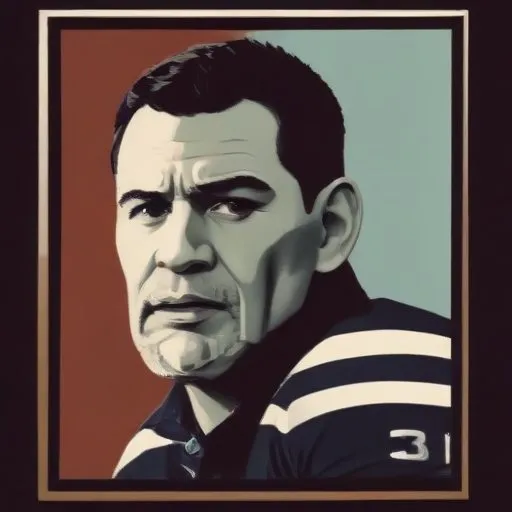
A pioneering rugby player and commentator who brought the sport to life with his vivid descriptions and charismatic voice, becoming a beloved BBC broadcasting icon.
Teddy Wakelam, born Lieutenant Colonel Henry Blythe Thornhill Wakelam, is credited with giving the first-ever running sports commentary on BBC radio in 1927, revolutionizing the way people experience sports. This English sports broadcaster and rugby union player is best known for his iconic commentary style, which captivated audiences and set the standard for future generations of sports commentators.
Teddy Wakelam was born on May 8, 1893, in Hereford, England. During his school days, he developed a passion for various sports, which led him to join Harlequin F.C. in 1911 while studying history at Pembroke College, Cambridge. Wakelam's rugby career was cut short due to a knee injury in 1924, but this setback paved the way for his future in broadcasting.
On January 15, 1927, Wakelam made history by providing the first-ever running sports commentary on BBC radio, covering the Rugby International match between England and Wales at Twickenham. This innovative approach allowed listeners to visualize the game, with Wakelam describing the action on the pitch while his colleague, Cecil Arthur Lewis, called out a number that corresponded to a specific area on the pitch.
Just a week after his rugby commentary debut, Wakelam and Lewis provided the first sports commentary of a football match on British radio, covering the Arsenal vs. Sheffield United game. This was followed by commentaries on cricket and Wimbledon. In 1938, Wakelam became one of the first sports commentators on BBC television, covering the England vs. Australia second test match at Lord's Cricket Ground.
Teddy Wakelam's contributions to sports broadcasting have been recognized with several awards and honors. He was inducted into the Radio Academy Hall of Fame in 2014, and his legacy continues to inspire sports commentators around the world.
Wakelam's influence extends beyond the world of sports. The phrase "Back to Square One," originating from his commentary style, has become a common idiom in British English. His dedication to his craft, even in the face of challenges like accidentally setting fire to his notes during a tennis commentary, has made him a beloved figure in British sports history.
Teddy Wakelam's pioneering work in sports commentary has left an indelible mark on the world of sports. His legacy continues to inspire new generations of sports commentators, and his innovative approach to broadcasting has transformed the way we experience sports today.
83 Years Old
A renowned sports broadcaster and writer, best known for presenting the BBC's flagship football program "Match of the Day" and authoring several books on sports history.
64 Years Old
A former England rugby union player who won 64 caps and was a key figure in the team that won the 2003 Rugby World Cup, known for his tough and physical playing style.
70 Years Old
A renowned rugby player and coach who led the English national team to World Cup victory in 2003, revolutionizing the sport with innovative tactics and strategies.
47 Years Old
A legendary fly-half who led England to Rugby World Cup victory in 2003 with a dramatic last-minute drop goal, earning iconic status in the sport.
53 Years Old
A former English rugby union player and captain, known for his impressive career with the national team and his current work as a television commentator.
56 Years Old
Former England rugby team captain and coach, leading the team to World Cup victory in 2003, and known for his tough, no-nonsense leadership style.
