


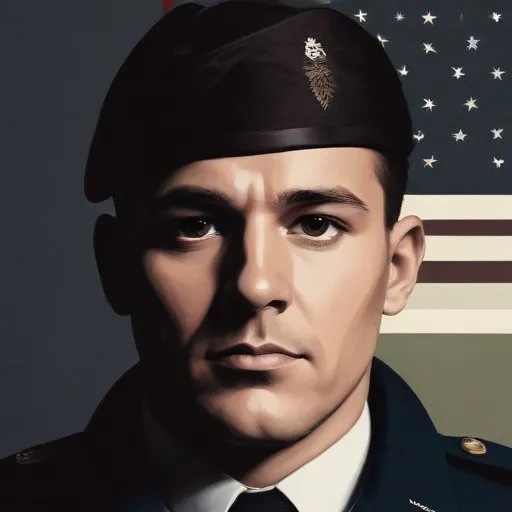
Last surviving navigator of the Enola Gay, the bomber that dropped the atomic bomb on Hiroshima, playing a crucial role in ending World War II.
Theodore Van Kirk, also known as "Dutch," was the navigator of the Enola Gay, the Boeing B-29 Superfortress that dropped the first atomic bomb on Hiroshima on August 6, 1945. This historic event marked a pivotal moment in World War II, and Van Kirk's role in it has forever etched his name in the annals of history.
Born on February 27, 1921, in Northumberland, Pennsylvania, Van Kirk was the son of Frederick and Grace Snyder Van Kirk. He enlisted in the United States Army Air Forces in October 1941, and upon completing his training, he received his commission and navigator wings on April 1, 1942.
Van Kirk's first assignment was with the 97th Bomb Group, where he flew 11 missions out of England alongside pilots Paul Tibbets and Tom Ferebee. The crew, known as the "Red Gremlin," was responsible for group navigation and bombing. In October 1942, they flew General Mark Clark to Gibraltar for a secret North African rendezvous with the French prior to Operation Torch.
In November 1942, they ferried General Eisenhower to Gibraltar to command the North African invasion forces. Van Kirk's navigational skills played a crucial role in these critical missions, showcasing his exceptional abilities as a navigator.
In late 1944, Van Kirk reunited with Tibbets and Ferebee in the 509th Composite Group at Wendover Field, Utah. The group trained intensively for the first atomic bomb drop, which would take place on August 6, 1945. Van Kirk's precise navigation was essential to the mission's success, ensuring that the Enola Gay reached its target on time and with accuracy.
The bombing of Hiroshima had a profound impact on the world, and Van Kirk's role in it made him an instant legend. His bravery and skill under immense pressure have inspired generations of navigators and military personnel.
After the war, Van Kirk returned to civilian life, but his legacy continued to grow. He became the last surviving member of the Enola Gay crew after Morris Jeppson's passing on March 30, 2010. Van Kirk's story served as a testament to the bravery and sacrifice of those who served in World War II.
Van Kirk's life was marked by numerous personal milestones and key life events, including:
Theodore Van Kirk's remarkable life and legacy serve as a testament to the power of bravery, skill, and dedication. His story continues to captivate and inspire, reminding us of the importance of remembering our history and honoring those who have served.
"I'm proud to have been a part of that crew... We did what we were told to do, and we did it to the best of our ability." - Theodore Van Kirk
Van Kirk's humble words belie the significance of his role in history. As we reflect on his life and legacy, we are reminded of the power of human courage and the importance of preserving our collective memory.
Born in 1915
Led the Enola Gay bomber that dropped the atomic bomb on Hiroshima in 1945, changing the course of World War II and modern warfare.
Born in 1918
Bombardier who dropped the atomic bomb on Nagasaki, playing a crucial role in ending World War II.
