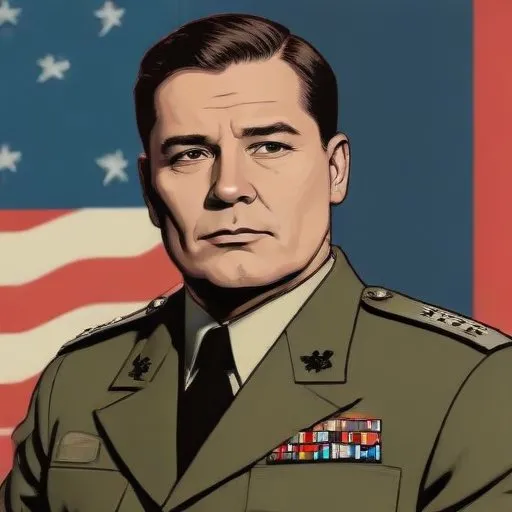
Thomas Ferebee: The Bombardier Who Shaped History
The Mission That Defined His Legacy
Thomas Ferebee is forever etched in the annals of history as the bombardier aboard the B-29 Superfortress, Enola Gay, which dropped the atomic bomb "Little Boy" on Hiroshima in 1945. This pivotal moment in World War II marked a turning point in the conflict and cemented Ferebee's place as a key figure in modern warfare.
A Humble Beginning
Born on November 9, 1918, on a farm outside Mocksville, North Carolina,
Thomas Wilson Ferebee was the third of eleven children raised in a Methodist family. His early life was marked by a passion for athletics, which earned him awards in track, basketball, and football.
A Career in the Skies
After attending Lees-McRae College in Banner Elk, NC, Ferebee joined the Army, but a knee injury prevented him from serving in the infantry. Instead, he was accepted into flight training, where he excelled, completing over 60 bombing missions in the European theater as a bombardier.
The 509th Composite Group: A Top-Secret Mission
In the summer of 1944, Ferebee was handpicked by Colonel
Paul Tibbets to join the 509th Composite Group, a elite unit tasked with dropping the atomic bomb. Ferebee's skills and expertise made him an essential member of the team, and he played a crucial role in the success of the mission.
A Life of Service
After World War II, Ferebee remained in the military, serving in the Strategic Air Command during the Cold War and in Vietnam. He eventually retired from the U.S. Air Force in December 1970 as a master navigator bombardier with the rank of colonel.
Later Life and Legacy
Following his military career, Ferebee worked as a real estate agent in and around Orlando, Florida. He never expressed regret for his role in the bombing, believing it was a necessary act to bring an end to the war. Ferebee passed away on March 16, 2000, at the age of 81, leaving behind a legacy as a hero and a pioneer in modern warfare.
Personal Quotations
- "It was a job that had to be done."
Historical Context and Legacy
Thomas Ferebee's actions on August 6, 1945, had a profound impact on the course of history, paving the way for the end of World War II and shaping the future of global politics. His bravery, skill, and dedication to duty have inspired generations, and his legacy continues to be felt today.
Facts and Trivia
- Ferebee attended Lees-McRae College in Banner Elk, NC.
- He earned awards in track, basketball, and football.
- Ferebee completed over 60 bombing missions in the European theater.
- He was part of the 509th Composite Group, a top-secret unit tasked with dropping the atomic bomb.
Remembering Ferebee
After Ferebee's passing, singer-songwriter Rod MacDonald wrote "The Man Who Dropped The Bomb On Hiroshima," a tribute to his life and legacy. Today, Ferebee's collection of military documents and objects is housed at the North Carolina Museum of History in Raleigh, a testament to his enduring impact on history.
FAQ
What was Thomas Ferebees role in the US military?
Thomas Ferebee was a colonel in the United States Army Air Forces during World War II. He served as the bombardier on the Enola Gay, the plane that dropped the atomic bomb on Hiroshima.
What was Thomas Ferebees experience on the Enola Gay?
Thomas Ferebee was responsible for releasing the atomic bomb on Hiroshima on August 6, 1945. He later described the experience as the most awesome sight I have ever seen.
What awards and recognition did Thomas Ferebee receive?
Thomas Ferebee received the Distinguished Flying Cross and the Air Medal for his service on the Enola Gay. He was also promoted to colonel in 1946.
What was Thomas Ferebees later life and career?
After leaving the military, Thomas Ferebee worked as a businessman and later served as the president of the Enola Gay Association.
What is Thomas Ferebees legacy in World War II history?
Thomas Ferebees legacy in World War II history is that of a key figure in one of the wars most significant events. His role on the Enola Gay has been recognized and commemorated in numerous books, films, and documentaries.