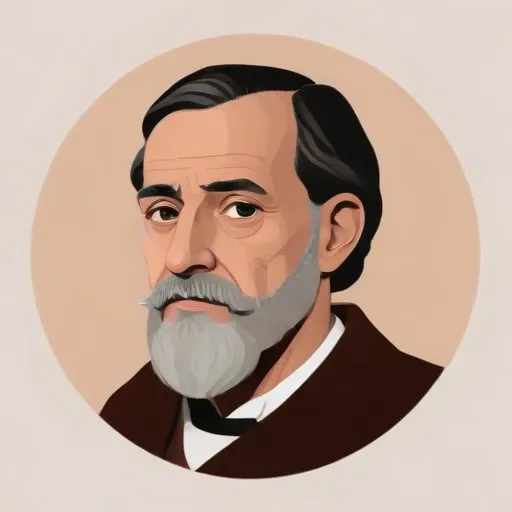
Thomas Cajetan: The Pillar of Catholic Orthodoxy
A Guardian of Faith in Turbulent Times
Thomas Cajetan, a renowned Italian philosopher and theologian, is best known for his unwavering defense of Catholicism during the tumultuous period of the Protestant Reformation. As the Master of the Order of Preachers from 1508 to 1518 and a cardinal from 1517 until his death, Cajetan played a pivotal role in shaping the Catholic Church's response to the challenges posed by
Martin Luther and other reformers.
A Life of Devotion and Scholarship
Born Jacopo Vio in Gaeta, Italy, in 1469, Cajetan entered the Dominican Order at the age of fifteen and adopted the name Tommaso. He devoted himself to the study of philosophy, particularly the works of Thomas Aquinas, and became a doctor of theology at Padua before the age of thirty. His expertise in metaphysics earned him a professorship, and his public disputation with Pico della Mirandola in 1494 solidified his reputation as a theologian.
Champion of Papal Authority
Cajetan's unyielding support for the papacy during the Conciliabulum of Pisa (1511-1512) earned him recognition as a steadfast defender of Catholic orthodoxy. Despite the Sorbonne's condemnation and the public burning of his works by order of King
Louis XII, Cajetan remained resolute in his convictions. At the Fifth Lateran Council (1512-1517), he played a leading role, delivering the opening oration and securing the approval of a decree that reaffirmed papal authority over councils.
A Prolific Theologian and Commentator
Cajetan's extensive commentary on Thomas Aquinas' Summa Theologica is still studied and revered today. His writings, characterized by intellectual rigor and theological precision, have had a lasting impact on Catholic thought. His works include treatises on the Trinity, the Incarnation, and the sacraments, as well as commentaries on Scripture and the Church Fathers.
Influence and Legacy
Cajetan's contributions to Catholic theology have been felt across the centuries. His defense of papal authority has shaped the Church's understanding of its own governance. His commentaries on Aquinas have inspired generations of scholars and theologians. As a cardinal, he played a significant role in shaping the Church's response to the Reformation, and his legacy continues to influence Catholic thought and practice.
Personal Milestones and Key Life Events
- 1469: Born in Gaeta, Italy
- 1484: Entered the Dominican Order
- 1494: Public disputation with Pico della Mirandola
- 1507: Became general procurator of the Dominicans
- 1508: Elected Master of the Order of Preachers
- 1511-1512: Supported the papacy during the Conciliabulum of Pisa
- 1517: Elevated to cardinal
- 1534: Died on August 9
Philosophical Contributions and Beliefs
Cajetan's theological and philosophical contributions were deeply rooted in the Scholastic tradition. He advocated for a rigorous and systematic approach to theology, emphasizing the importance of reason and revelation. His defence of papal authority was grounded in his belief in the primacy of the Church and the authority of Scripture and tradition.
Visual Timeline and Milestones
| 1469 |
Birth |
| 1484 |
Entered the Dominican Order |
| 1494 |
Public disputation with Pico della Mirandola |
| 1507 |
Became general procurator of the Dominicans |
| 1508 |
Elected Master of the Order of Preachers |
| 1511-1512 |
Supported the papacy during the Conciliabulum of Pisa |
| 1517 |
Elevated to cardinal |
| 1534 |
Death |
Trivia and Fun Facts
- Cajetan was known for his exceptional memory, able to recall entire texts and conversations with ease.
- He was a prolific writer, producing over 100 works during his lifetime.
- Cajetan's defence of papal authority was so renowned that he was nicknamed "the pillar of the papacy."
By exploring the life and legacy of Thomas Cajetan, we gain insight into the complexities of Catholic theology and the tumultuous era of the Protestant Reformation. His unwavering commitment to Catholic orthodoxy continues to inspire and shape Catholic thought to this day.
FAQ
What were the contributions of Thomas Cajetan to philosophy?
Thomas Cajetan was a prominent Italian philosopher who made significant contributions to the development of Thomism, a school of thought that built upon the ideas of Thomas Aquinas. He wrote extensively on Aristotelian philosophy and biblical commentary.
What was Thomas Cajetans role in the Catholic Church?
Thomas Cajetan was a Dominican friar and a cardinal of the Catholic Church. He played a key role in the Fifth Lateran Council and was a strong advocate for Church reform.
What is Thomas Cajetans significance in the history of Christianity?
Thomas Cajetan was a leading figure in the Catholic Counter-Reformation, and his writings had a profound impact on Catholic theology and doctrine. He was also a key figure in the development of Catholic apologetics.
How did Thomas Cajetans work influence later philosophers?
Thomas Cajetans philosophical works had a lasting impact on Western philosophy, influencing thinkers such as Francisco Suárez and René Descartes. His contributions to Thomism also influenced the development of Catholic theology.
What is Thomas Cajetans most famous work?
Thomas Cajetans most famous work is his commentary on the Summa Theologica of Thomas Aquinas, which is still studied by scholars today. He also wrote extensively on biblical commentary and Aristotelian philosophy.