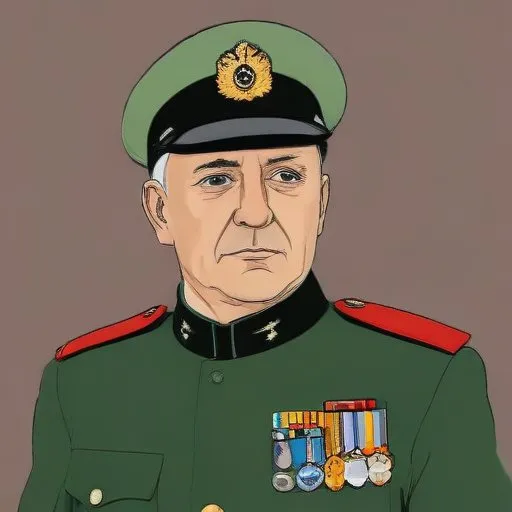
Thomas Talbot: The Textile Mill Owner Who Became Governor of Massachusetts
A Leader in Industry and Politics
Thomas Talbot was a renowned American textile mill owner and politician from Massachusetts, who served as the 31st Governor of Massachusetts. Born to Irish immigrants, Talbot rose from humble beginnings to become a successful businessman and politician, making a significant impact on the state's industry and politics.
Early Life and Business
Born on September 7, 1818, in Cambridge, New York, Talbot was the seventh of eight children to Charles and Phoebe White Talbot. After his father's death, the family moved to Danby, Vermont, and later to Northampton, Massachusetts, where Talbot attended local schools and began working in textile mills at a young age. He joined his brother Charles' weaving firm in Williamsburg, Massachusetts, rising to become superintendent, and later partnered with his brother to establish the Talbot Mills of Billerica in 1857.
Political Career
Talbot's entry into politics was partly due to issues with his mills, and he served as a Republican in the state legislature and on the Massachusetts Governors Council. He served two terms as Lieutenant Governor and acted as Governor for part of the second term after Governor
William B. Washburn won election to the United States Senate. In 1878, Talbot was elected as the 31st Governor of Massachusetts, serving a single term.
Temperance Advocate and Political Controversies
Talbot was a strong advocate for temperance, and his veto of a popular alcohol licensing bill contributed to his loss in the 1874 gubernatorial race. This decision sparked controversy and divided public opinion, with some seeing it as a necessary step towards a more moral society, while others viewed it as an overreach of government power.
Legacy and Impact
Despite the controversy, Talbot's legacy as a successful businessman and politician is undeniable. His textile mills provided employment opportunities for many in Billerica, and his political career was marked by a commitment to public service. Talbot's story serves as an inspiration to those who aspire to make a difference in their communities and beyond.
Timeline of Major Events
- September 7, 1818: Born in Cambridge, New York
- 1857: Founded the Talbot Mills of Billerica with his brother
- 1874: Ran for Governor of Massachusetts, lost due to veto of alcohol licensing bill
- 1878: Elected as the 31st Governor of Massachusetts
- October 6, 1885: Died in Massachusetts
Fun Facts
- Talbot was minimally educated, yet rose to become a successful businessman and politician.
- He was the seventh of eight children, and his family moved several times during his childhood.
- Talbot's textile mills were major employers in Billerica, Massachusetts.
By exploring Thomas Talbot's life and career, we can gain a deeper understanding of the American textile industry, politics, and the values that shaped the country during the 19th century. Talbot's story serves as a testament to the power of hard work, determination, and a commitment to public service.
FAQ
What are the key contributions of Thomas Talbot to Canadian history?
Thomas Talbot played a significant role in the colonization of Canada, particularly in the development of the province of Upper Canada. He founded the Talbot Settlement in 1810, which attracted many settlers and helped to establish the region.
What were Thomas Talbots military achievements?
Thomas Talbot served as a colonel in the British Army during the War of 1812, and his military career spanned over three decades. He fought in several battles, including the Battle of Lundys Lane and the Battle of Chippawa.
How did Thomas Talbot influence the development of Western Ontario?
Thomas Talbots settlement and colonization efforts led to the growth and development of Western Ontario. He was instrumental in building roads, promoting agriculture, and establishing trade routes in the region.
What was Thomas Talbots role in the Canadian Rebellion of 1837?
Thomas Talbot played a key role in suppressing the Canadian Rebellion of 1837, which was a rebellion against the British colonial government. He led a militia force that defeated the rebels and helped to maintain order in the region.
What legacy did Thomas Talbot leave behind in Canada?
Thomas Talbot left a lasting legacy in Canada as a pioneering figure in the countrys colonization and development. He is remembered as a hero and a champion of British interests in Canada, and his contributions are still celebrated today.