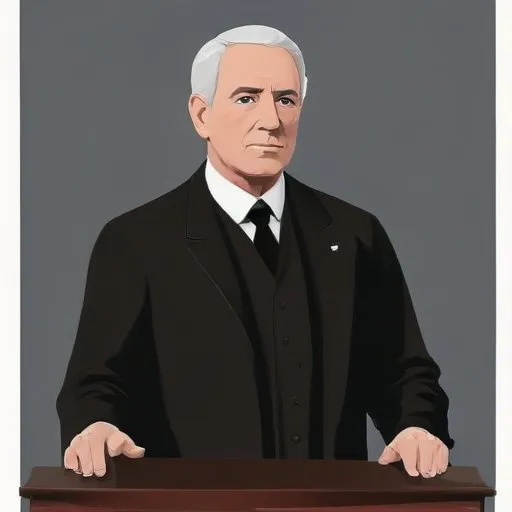
William B. Washburn: The Connecticut River God
A Life of Business, Politics, and Railroads
William Barrett Washburn, a prominent Massachusetts businessman and politician, left an indelible mark on the state's economy and politics during the 19th century. Best known for his instrumental role in the development of railroads in northern and western Massachusetts, Washburn served as a United States Representative, Governor of Massachusetts, and United States Senator.
Early Life and Education
Born on January 31, 1820, in Winchendon, Massachusetts, Washburn was the son of Asa and Phoebe Whitney Washburn. His father, a hat maker, passed away in 1823, leaving Washburn to be educated in the academies at Hancock and Westminster. He then attended Yale College, graduating in 1844, and became a member of the Skull and Bones Society.
Business Ventures and Railroad Advocacy
Washburn's entrepreneurial spirit led him to establish a chair factory in Erving, which he operated from 1847 to 1857. He invested $10,000, equivalent to $330,000 today, and transformed the business into a wood products company with an annual production exceeding $150,000. In 1849, he co-founded the Franklin County Trust Company, serving on its board until 1858. Washburn's business acumen and regional influence earned him the nickname "Connecticut River God."
Political Career and Public Service
Washburn's political career spanned several decades, with notable roles including:
- United States Representative (1863-1871)
- Governor of Massachusetts (1872-1874)
- United States Senator (1874-1885)
During his tenure, Washburn supported the construction of the Hoosac Tunnel and advocated for railroads in northern and western Massachusetts. Although a moderate Republican, Washburn only partially backed the Radical Republican agenda during the American Civil War and Reconstruction Era.
Legacy and Impact
William B. Washburn's multifaceted career left a lasting impact on Massachusetts' economy, politics, and infrastructure. His role in promoting railroads in the region facilitated economic growth and development. Today, Washburn is remembered as a prominent figure in Massachusetts history, with his legacy continuing to inspire future generations of entrepreneurs, politicians, and leaders.
Personal Milestones and Key Life Events
- January 31, 1820: Born in Winchendon, Massachusetts
- 1844: Graduated from Yale College
- 1847-1857: Operated a chair factory in Erving
- 1849: Co-founded the Franklin County Trust Company
- 1857: Moved to Greenfield, Massachusetts
- 1863-1871: Served as United States Representative
- 1872-1874: Served as Governor of Massachusetts
- 1874-1885: Served as United States Senator
- October 5, 1887: Passed away
Washburn's remarkable life and achievements cement his place in American history as a visionary entrepreneur, dedicated public servant, and champion of regional development.
FAQ
What was William B. Washburns role in American politics?
William B. Washburn was an American politician who served as the 28th Governor of Massachusetts, playing a key role in the states development and growth during the late 19th century.
What were William B. Washburns views on slavery?
William B. Washburn was an abolitionist who strongly opposed slavery, advocating for its abolition and supporting the Union during the American Civil War.
How did William B. Washburn contribute to the development of Massachusetts?
William B. Washburn contributed to the development of Massachusetts through his support for infrastructure projects, education, and economic development, helping to modernize the states economy and institutions.
What was William B. Washburns role in the Republican Party?
William B. Washburn was a prominent figure in the Republican Party, serving as a delegate to the Republican National Convention and supporting the partys platform and candidates.
What is William B. Washburns legacy in American politics?
William B. Washburns legacy in American politics is that of a dedicated public servant who worked to advance the interests of Massachusetts and the United States, while promoting the values of freedom, equality, and justice.