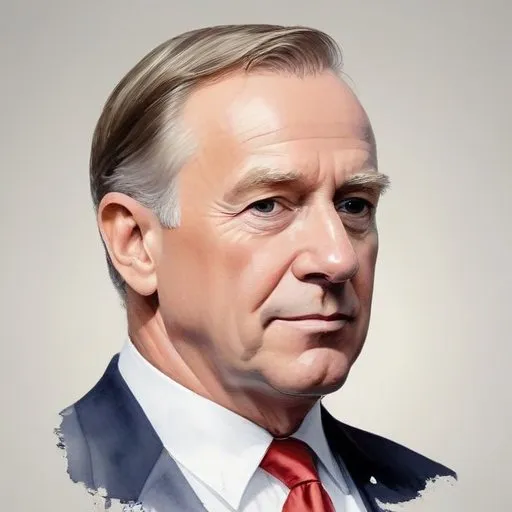
John Davis Long

John Davis Long

John Davis Long was born on October 27th, 1838

Full Name: John Davis Long
Place of Birth: Buckfield, Maine
Profession: Lawyer, Politician
Zodiac Sign: Leo
Parents: Zadoc Long, Julia Macomber Long
American Office: Secretary of the Navy
Term: 1897-1902
Predecessor: Hilary A. Herbert

The 34th United States Secretary of the Navy, a lawyer and politician who modernized the US Navy, expanding its fleet and personnel during the Spanish-American War. He's also known for his role in the acquisition of Puerto Rico and Guam.

Written by: Rajesh Kumar Rajesh Kumar

John Davis Long: A Life of Leadership and Literary Pursuits

A Governor, Secretary, and Scholar

John Davis Long is renowned for his remarkable career as the 32nd Governor of Massachusetts, serving from 1880 to 1883, and later as the Secretary of the Navy from 1897 to 1902, during which he played a significant role in the Spanish-American War. Throughout his life, Long demonstrated a strong passion for politics, literature, and education, leaving an indelible mark on American history.

Early Life and Education

Born on October 27, 1838, in Buckfield, Maine, Long was named after Massachusetts Governor John Davis, a cousin of his maternal grandfather. He received his primary education at Hebron Academy before attending Harvard University, where he graduated Phi Beta Kappa in 1857. During his time at Harvard, Long was an active member of the Delta Kappa Epsilon fraternity's Alpha chapter and developed a love for writing, contributing both prose and verse to a student magazine.

Rise to Political Prominence

Long's entry into politics began in the 1870s, when he became active in the Republican Party. He was elected to the Massachusetts State Legislature in 1874 and rose rapidly through the ranks, becoming Lieutenant Governor in 1879 and Governor in 1880. During his three-year tenure as Governor, Long advocated for modest reforms, which, although relatively uneventful, laid the groundwork for his future political endeavors.

Secretary of the Navy and the Spanish-American War

In 1896, President William McKinley offered Long a cabinet post, and he chose to become the Secretary of the Navy, despite lacking detailed knowledge of naval matters. This decision proved pivotal, as the Spanish-American War broke out in 1898, and Long found himself at the forefront of the conflict. Although he clashed with his Under-Secretary, Theodore Roosevelt, over the expansion of the Navy, Long played a crucial role in guiding the nation through this tumultuous period.

Literary Pursuits and Later Life

After resigning as Secretary of the Navy in 1902, Long returned to private practice and resumed his literary pursuits. He published a lifelong journal, a history of the Spanish-American War, and a verse translation of Virgil's Aeneid. Long's love for literature was a constant thread throughout his life, and his written works remain a testament to his intellectual curiosity and creativity.

Legacy and Impact

John Davis Long's life was a testament to his dedication to public service, politics, and literature. Through his various roles, he left an indelible mark on American history, shaping the course of the nation during times of war and peace. His legacy serves as a reminder of the power of leadership, intellectual curiosity, and the pursuit of one's passions.
Timeline
1832
Birth
John Davis Long was born in Buckfield, Maine, to a farming family.
1857
Law Career
Long began his law career, eventually becoming a prominent attorney in Maine.
1875
Governor of Maine
Long was elected Governor of Maine, serving two terms in the office.
1896
U.S. Secretary of the Navy
Long was appointed U.S. Secretary of the Navy, serving under President William McKinley.
1915
Death
John Davis Long died at the age of 83, leaving behind a legacy as a prominent American politician.
John Davis Long

John Davis Long Quiz

What was John Davis Long's role in the US government?

Score: 0/5
FAQ
What were John Davis Longs achievements as the United States Secretary of the Navy?
John Davis Longs achievements as the United States Secretary of the Navy included modernizing the navy, expanding its fleet, and promoting American interests abroad.
How did John Davis Longs experience as a lawyer shape his political career?
John Davis Longs experience as a lawyer shaped his political career by instilling in him strong research and analytical skills, which he later applied to his roles in government and politics.
What were John Davis Longs views on American foreign policy?
John Davis Long supported an assertive American foreign policy, believing that the United States should play a leading role in global affairs and protect its interests abroad.
How did John Davis Longs leadership style impact his relationships with others?
John Davis Longs leadership style, marked by his strong work ethic, fairness, and integrity, earned him the respect and admiration of his colleagues and constituents.
Why is John Davis Long remembered as an important figure in American politics?
John Davis Long is remembered as an important figure in American politics due to his role as the United States Secretary of the Navy, his contributions to the development of the navy, and his commitment to promoting American interests abroad.

Related People:

Theodore Roosevelt

Born in 1858

A pioneering leader who championed progressive reforms, trust-busting, and conservation, earning a Nobel Peace Prize for mediating the Russo-Japanese War. He's also famous for his rugged outdoorsmanship and "big stick" diplomacy.

William Howard Taft

Born in 1857

The 27th President of the United States was a lawyer and jurist who served as the only person to hold the offices of President and Chief Justice of the United States. He's known for his significant contributions to the country's judicial system.

Elihu Root

Born in 1845

A prominent lawyer and politician who served as Secretary of State, earning a Nobel Peace Prize for his diplomatic efforts. He's most known for his work in international arbitration and conflict resolution.

Henry L. Stimson

Born in 1867

A prominent figure in American politics, serving as Secretary of State and playing a key role in shaping foreign policy during World War II. He's also known for his advocacy of international cooperation and collective security.

Frank Knox

Born in 1874

A prominent publisher and politician who served as the 46th Secretary of the Navy, playing a crucial role in preparing the US Navy for World War II. He's most known for his efforts in modernizing the Navy and increasing its strength during wartime.

James Forrestal

Born in 1892

First U.S. Secretary of Defense, playing a crucial role in shaping the country's military strategy and policy during the early Cold War era. He's also known for his mysterious death, which sparked numerous conspiracy theories.

John Nance Garner

Born in 1868

The 32nd Vice President of the United States, serving from 1933 to 1941, is most known for being a strong supporter of states' rights and a vocal critic of President Franklin D. Roosevelt's New Deal policies. He later broke with Roosevelt and opposed the president's bid for an unprecedented third term.

Cordell Hull

Born in 1871

A prominent diplomat who played a crucial role in establishing the United Nations and was awarded the Nobel Peace Prize in 1945 for his efforts to promote international cooperation. He served as Secretary of State from 1933 to 1944, implementing policies that helped shape the post-World War II world order.