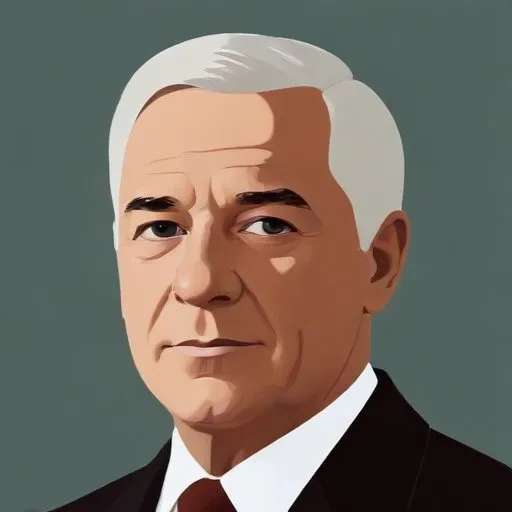
John Davis: The "Honest John" of Massachusetts Politics
A Reputation for Integrity
John Davis, known affectionately as "Honest John," was an American lawyer, businessman, and politician who left an indelible mark on Massachusetts politics. With a career spanning 25 years, Davis served in both houses of the United States Congress and held the office of Governor of Massachusetts for three non-consecutive years, earning him a reputation for personal integrity and trustworthiness.
Early Life and Education
Born on January 13, 1787, in Northborough, Massachusetts, Davis attended local schools and later graduated from Yale College in 1812. He then went on to study law with Francis Blake, a prominent Worcester lawyer, and gained admission to the bar three years later. Davis was elected a member of the American Antiquarian Society in 1821, showcasing his interest in American history and culture.
Rise to Prominence
Davis's political career began in the United States House of Representatives, where he served for 10 years (1824-1834) as a National Republican and later as a Whig. During this period, he supported protectionist tariff legislation and became known for his strong advocacy on behalf of Massachusetts' industries. His commitment to his constituents earned him the respect of his peers, and he was eventually elected Governor of Massachusetts in 1833, a position he would hold for two non-consecutive terms.
Gubernatorial Tenure and Senate Service
As Governor, Davis focused on issues related to education, infrastructure, and economic development. He also played a crucial role in shaping the state's response to the Panic of 1837, a national financial crisis that had far-reaching consequences for Massachusetts. After his initial term as Governor, Davis was elected to the United States Senate, where he served from 1835 to 1841. During his Senate tenure, he opposed the Mexican-American War and worked to prevent the extension of slavery to the territories, a testament to his strong moral compass.
Controversies and Personal Milestones
Davis's political career was not without controversy. He split with fellow Whig
Daniel Webster over issues such as the annexation of Texas and the Mexican-American War, which led to his eventual loss in the 1843 gubernatorial election to Democrat Marcus Morton. Despite this setback, Davis remained a respected figure in Massachusetts politics and continued to serve in the Senate from 1845 to 1851.
Awards and Legacy
Throughout his life, Davis received numerous accolades for his services to the state of Massachusetts. He was awarded an honorary LL.D. from Harvard University in 1836 and was elected a Fellow of the American Academy of Arts and Sciences in 1837. Davis's commitment to public service, his unwavering integrity, and his dedication to the people of Massachusetts have left a lasting legacy in the state's political history.
Personal Quotes and Memorable Sayings
Davis's commitment to public service was reflected in his words: "The duty of a public officer is to serve the people, not to serve himself."
Historical Context and Legacy
John Davis's life and career serve as a testament to the values of honesty, integrity, and public service. His reputation as "Honest John" remains unrivaled in Massachusetts politics, and his contributions to the state's development continue to inspire generations of politicians and citizens alike.
Career Highlights and Major Works
- Elected to the United States House of Representatives (1824-1834)
- Elected Governor of Massachusetts (1833-1834, 1841-1843)
- United States Senator (1835-1841, 1845-1851)
- Action to prevent the extension of slavery to the territories
- Opposition to the Mexican-American War
- Advocacy for protectionist tariff legislation
Philosophical Contributions and Beliefs
Davis's commitment to public service was rooted in his strong moral principles and belief in the importance of personal integrity. He remained steadfast in his opposition to the extension of slavery and worked to promote the interests of Massachusetts and its people. His legacy serves as a reminder of the importance of ethics and accountability in politics.
FAQ
What were the key accomplishments of John Davis as Governor of Massachusetts?
John Davis served as the 14th Governor of Massachusetts from 1834 to 1835, and during his tenure, he focused on internal improvements, such as canal construction and road development. He also supported the establishment of a state bank and promoted education reform.
What was John Davis role in the Whig Party?
John Davis was an active member of the Whig Party and served as a United States Senator from Massachusetts from 1835 to 1841. He was a strong supporter of Henry Clay and advocated for the partys platform of national infrastructure development and economic growth.
Where did John Davis receive his education?
John Davis graduated from Yale College in 1803 and later studied law at Harvard University. He was admitted to the bar in 1806 and began practicing law in Worcester, Massachusetts.
What was John Davis stance on slavery?
John Davis was a moderate on the issue of slavery, opposing its expansion but not seeking its immediate abolition. He believed in the gradual emancipation of slaves and supported the American Colonization Societys efforts to resettle freed slaves in Liberia.
How did John Davis contribute to the development of Worcester, Massachusetts?
John Davis played a significant role in the development of Worcester, Massachusetts, serving as a city councilor and promoting infrastructure projects, including the construction of the Worcester and Boston Turnpike. He also supported the establishment of the Worcester Agricultural Society and the Worcester County Bible Society.