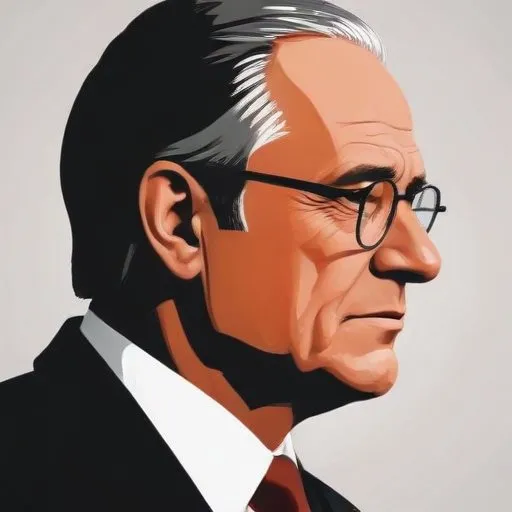
Uwe Barth: The Liberal Visionary Shaping Germany's Political Landscape
A Champion of Freedom and Liberalism
Uwe Barth is a prominent German politician and member of the Free Democratic Party (FDP), known for his unwavering commitment to liberty, democracy, and individual freedom. Throughout his illustrious career, Barth has been a vocal advocate for free market economies, limited government intervention, and human rights, earning him a reputation as a champion of classical liberalism.
Rise to Prominence
Born on July 23, 1964, in Bad Langensalza, Bezirk Erfurt, Barth's fascination with politics began at a young age. He joined the Liberal Democratic Party of Germany (LDPD) in 1986, which later merged with the FDP in 1990. This pivotal decision marked the beginning of his journey as a prominent figure in German politics.
Parliamentary Career
Barth's parliamentary career spans over a decade, with notable stints in both the German Bundestag and the Landtag of Thuringia. From 2005 to 2009, he represented the state of Thuringia in the Bundestag, where he played a crucial role in shaping the country's legislative agenda. In 2009, he became a member of the Landtag of Thuringia and leader of the FDP Landtag group, further solidifying his position as a leading figure in German politics.
Policy Initiatives and Advocacy
Throughout his career, Barth has been an ardent advocate for policies that promote individual freedom, entrepreneurship, and economic growth. He has consistently pushed for tax reductions, deregulation, and limited government intervention, earning him the respect of his peers and the admiration of his constituents. Additionally, Barth has been a vocal proponent of human rights, particularly in the areas of data protection, freedom of speech, and civil liberties.
Influence on Modern Society
Barth's contributions to German politics have had a profound impact on modern society. His unwavering commitment to liberal values has inspired a new generation of politicians and activists, who share his vision of a freer, more prosperous Germany. Through his tireless advocacy and policy initiatives, Barth has helped shape the country's political landscape, cementing his place as a leading figure in German liberalism.
Philosophical Contributions and Beliefs
At the core of Barth's political philosophy lies a steadfast commitment to individual liberty, democracy, and the principles of classical liberalism. He firmly believes that individuals should be free to pursue their goals and aspirations without undue interference from the state. This philosophical stance has guided his policy initiatives and advocacy, earning him recognition as a champion of liberal thought in Germany.
Personal Milestones and Key Life Events
Barth's life has been marked by several significant milestones, including his election to the Bundestag in 2005 and his leadership of the FDP Landtag group in 2009. These achievements demonstrate his dedication to public service and his ability to inspire and lead others.
Career Highlights and Major Works
- Elected to the German Bundestag (2005-2009)
- Leader of the FDP Landtag group (2009-present)
- Member of the Landtag of Thuringia (2009-present)
Legacy and Impact
Uwe Barth's legacy extends far beyond his parliamentary career. As a champion of liberal values and individual freedom, he has inspired a generation of politicians, activists, and citizens to embrace the principles of classical liberalism. Through his tireless advocacy and policy initiatives, Barth has left an indelible mark on German politics, ensuring that his vision of a freer, more prosperous Germany will endure for generations to come.
FAQ
What is Uwe Barths political party affiliation?
Uwe Barth is a member of the German Social Democratic Party (SPD), one of the major political parties in Germany.
What positions has Uwe Barth held in German politics?
Uwe Barth has held various positions in German politics, including serving as a member of the Bundestag, Germanys federal parliament, and as a Minister in the state government of Brandenburg.
What are Uwe Barths key policy areas?
Uwe Barth has focused on issues related to economic development, education, and social welfare during his political career. He has advocated for policies aimed at promoting economic growth, improving education and training, and supporting vulnerable populations.
How has Uwe Barths political career been shaped by his background?
Uwe Barths background in economics and his early involvement in politics have shaped his approach to governance, emphasizing evidence-based decision-making and pragmatic solutions to complex problems.
Is Uwe Barth still active in German politics?
Yes, Uwe Barth remains active in German politics, continuing to serve as a member of the Bundestag and contributing to policy debates on key issues facing the country.