


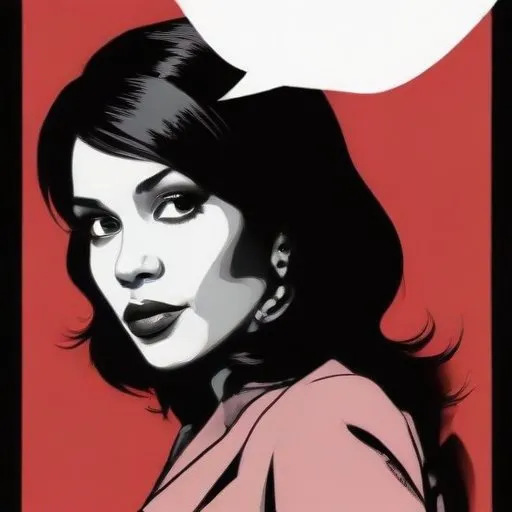
A jazz and blues singer and actress who performed on stage and screen during the 1920s-1940s, known for her powerful vocals and charismatic performances.
Known for her smooth, sultry tone and captivating stage presence, Vanita Smythe was a blues and jazz singer who scorched the music scene in the 1940s and 1950s. With a career spanning over five years, she left an indelible mark on the industry, making her a sought-after performer of her time.
Born Vannie Smith on January 13, 1925, in Detroit, Michigan, Vanita Smythe was the third of eight children to Grady and Gertrude McCray Smith. Her professional journey began in 1945 when she was featured as the star of Billy Williams' Creole Follies, a weeklong show at the 440 Club in Indianapolis.
Her talent didn't go unnoticed for long, and soon she was billed as Vanita Smythe at the Cotton Club in Buffalo, New York. It was during this time that she caught the attention of fledgling film director William Forest Crouch, who produced and directed soundies through Filmcraft Productions in New York. Between January and May 1946, Smythe was filmed in eight soundies, showcasing her versatility as a singer and actress.
These early soundies featured her alongside notable musicians such as Dan Burley and Claude Demetrius, with songs written by legends like Louis Jordan and Hot Lips Page. One of her most notable performances was in the soundie "They Raided the Joint," which was later integrated into the 1947 Astor Pictures film, Ebony Parade. This exposure led to her being cast as Rusty in Louis Jordan's 1947 film, Reet, Petite, and Gone.
Vanita Smythe's captivating stage presence made her a sought-after performer in renowned venues like Henry Armstrong's Melody Room in Harlem and Smalls Paradise in Harlem. She shared the stage with notable musicians, including the 5 Kings, and worked with prominent figures like Dan Burley and Claude Demetrius.
Although her career was relatively short-lived, Vanita Smythe left a lasting impact on the blues and jazz scene. Her unique voice and captivating stage presence paved the way for future generations of female vocalists. Today, she remains a celebrated figure in the world of jazz and blues, with her soundies and films continuing to entertain and inspire audiences.
Vanita Smythe's life and career serve as a reminder that talent, hard work, and dedication can lead to success, even in the face of adversity. Her music and legacy continue to captivate audiences, ensuring her place as a jazz and blues legend.
Born in 1917
A virtuosic jazz vocalist known for her pure, expressive tone, impeccable phrasing, and incredible scat singing abilities. She won 13 Grammy Awards and recorded over 200 albums.
Born in 1915
Legendary jazz vocalist and actress known for her expressive, emotive singing style and iconic songs like "God Bless the Child" and "Strange Fruit".
Born in 1924
A legendary jazz vocalist and pianist, known for her powerful, soulful voice and iconic renditions of blues and jazz standards.
Born in 1924
A highly influential jazz vocalist known for her rich, velvety tone and impressive technical ability, particularly in the bebop and swing genres.
Born in 1920
A sultry-voiced jazz singer-songwriter and actress who mesmerized audiences with her smooth, velvety tone and timeless hits like "Why Don't You Do Right?" and "Fever".
Born in 1920
A renowned jazz vocalist, pianist, and actress who interpreted lyrics with emotional depth and phrased with impeccable timing, known for her distinctive, expressive voice and impressive scat singing abilities.
Born in 1919
Jazz vocalist known for her distinctive, virtuosic singing style and iconic performances at the 1958 Newport Jazz Festival. She was a pioneer for female jazz musicians, breaking down barriers with her talent and determination.
Born in 1925
A sultry-voiced jazz singer known for her smooth, velvety tone and iconic interpretations of American standards. Her distinctive style and phrasing continue to influence vocalists today.
