


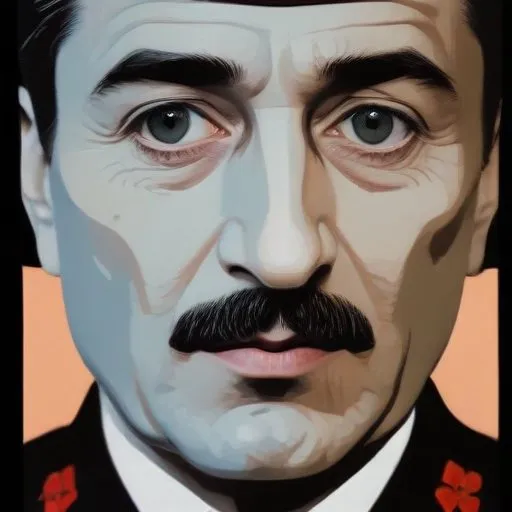
A Croatian general and politician who served as the 5th Federal Secretary of People's Defence, playing a key role in the Yugoslav People's Army during the Yugoslav Wars. He's known for his controversial decisions and actions during the conflict.
Veljko Kadijevi, a Serbian general of the Yugoslav People's Army (JNA), is best known for his role as the Minister of Defence in the Yugoslav government from 1988 to 1992. During this tumultuous period, he served as the de facto commander-in-chief of the JNA, overseeing the Ten-Day War in Slovenia and the initial stages of the Croatian War of Independence.
Kadijevi was born on November 21, 1925, in the village of Glavina Donja, near Imotski, Kingdom of Serbs, Croats, and Slovenes. His father, Dušan Kadijevi, was a Serb, and his mother, Janja Patrlj, was an ethnic Croat. Kadijevi self-identified as a pro-Yugoslav Serb.
He joined the Yugoslav Partisans in 1941, following the Axis invasion of Yugoslavia during World War II. In 1943, he joined the Communist Party of Yugoslavia (KPJ). After the war, he remained an active soldier and graduated from the Military Academy in Belgrade and the Command and General Staff College (CGSC) in Fort Leavenworth, Kansas.
Kadijevi became the fifth Minister of Defence of the Socialist Federal Republic of Yugoslavia on May 15, 1988. Following the collapse of the League of Communists of Yugoslavia, he was one of the founders of the party called League of Communists – Movement for Yugoslavia.
In May 1991, he stated that if federal and republic officials failed to ensure peace, the Yugoslav armed forces could efficiently do so themselves. This statement would prove to be a precursor to the events that would unfold in the years to come.
Kadijevi's tenure as Minister of Defence was marked by the outbreak of violence in Slovenia and Croatia. The JNA, under his command, attempted to quell the secessionist movements in these republics, leading to the Ten-Day War in Slovenia and the Croatian War of Independence.
The international community responded with condemnation, and Kadijevi became a controversial figure. He resigned from his post as federal secretary of people's defence on January 6, 1992, and retired to live in Serbia.
The International Criminal Tribunal for the former Yugoslavia (ICTY) attempted to contact Kadijevi in the spring of 2001, seeking to call him as a witness. However, he fled to Moscow the next day, avoiding prosecution.
In 2005, he applied for refugee status, and on August 13, 2008, he received Russian citizenship by decree of President Dmitry Medvedev.
Veljko Kadijevi's legacy is complex and multifaceted. While he played a significant role in shaping the course of the Yugoslav Wars, his actions were also marked by controversy and criticism. His willingness to resort to force to maintain Yugoslav unity ultimately contributed to the downfall of the country.
Despite this, Kadijevi remains an important figure in modern Yugoslav history, a symbol of the complexities and contradictions of the region's tumultuous past.
Kadijevi's life and career serve as a testament to the complex and often fraught nature of Yugoslav politics and society. As we reflect on his legacy, we are reminded of the importance of understanding the nuances of history and the individuals who shape it.
68 Years Old
The 5th Prime Minister of Slovenia, serving three non-consecutive terms, known for his conservative policies and efforts to strengthen Slovenia's economy. He's also an avid mountaineer and writer.
76 Years Old
Slovenia's second president, a key figure in the country's transition to independence and democracy, known for his economic reforms and leadership during a tumultuous period.
