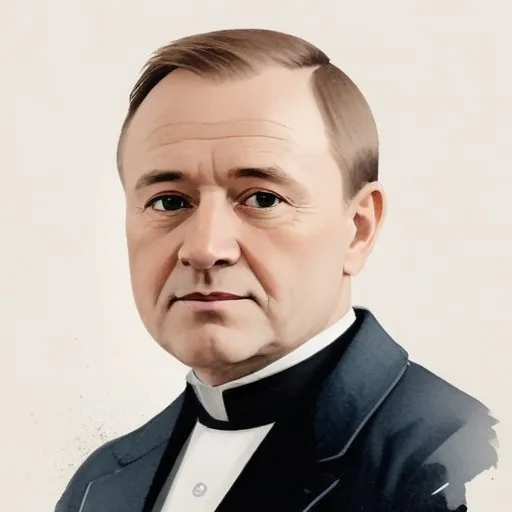
Veljo Tormis: The Estonian Maestro of Choral Music
Regarded as One of the Great Contemporary Choral Composers
Veljo Tormis is renowned for his extensive body of choral music, exceeding 500 individual pieces, most of which are a cappella. His international fame arises chiefly from these works, which have captivated audiences worldwide with their unique blending of traditional Estonian folksongs and modern choral techniques.
Early Life and Inspiration
Born in Kuusalu, Estonia in 1930, Tormis was surrounded by music from a young age. His father, a choral director, organist, and music teacher, instilled in him a deep love for choral music. This early exposure had a profound impact on Tormis, shaping his future as a composer and setting him on a path to become one of the most important Estonian composers of the 20th century.
Composition Style and Philosophical Contributions
Tormis' compositions are characterized by their deep roots in traditional Estonian folk music, particularly the ancient regilaulud songs. He often incorporated elements of Shamanistic traditions, weaving narratives that explored the human experience. His music is a testament to his conviction that traditional Estonian and other Balto-Finnic music represents a treasure that must be guarded and nourished.
Notable Works and Collaborations
One of Tormis' most famous works is "Curse Upon Iron" (Raua needmine), composed in 1972. This powerful piece invokes ancient Shamanistic traditions to construct an allegory about the evils of war. The Estonian Philharmonic Chamber Choir, under the direction of Tnu Kaljuste, has performed and recorded many of Tormis' works. In the 1990s, he began receiving commissions from esteemed a cappella groups such as the Kings Singers and the Hilliard Ensemble.
Awards and Honors
Throughout his career, Tormis received numerous awards and honors for his contributions to music. His work has been recognized by the Estonian government, and he has been awarded honorary doctorates from several universities.
Legacy and Impact on Modern Society
Tormis' music has had a profound impact on modern society, transcending cultural boundaries and inspiring a new generation of composers and musicians. His dedication to preserving traditional Estonian folk music has helped to keep the cultural heritage of his homeland alive. As he so eloquently put it, "It is not I who makes use of folk music, it is folk music that makes use of me."
Personal Milestones and Key Life Events
- 1943: Began formal musical education at the Tallinn Music School
- 1949: Entered the Tallinn Conservatory to continue his musical studies
- 1972: Composed "Curse Upon Iron" (Raua needmine)
- 1990s: Began receiving commissions from international a cappella groups
Trivia and Fun Facts
- Tormis' father was a choral director, organist, and music teacher, who instilled in him a love for music from a young age.
- He was known for his unique use of organ stops, which influenced his later orchestration of choral textures.
- Tormis' music has been performed and recorded by renowned choirs and ensembles from around the world.
Veljo Tormis' remarkable life and work continue to inspire generations of musicians, composers, and music lovers. His dedication to preserving traditional Estonian folk music and his innovative approach to choral composition have cemented his place as one of the most important Estonian composers of the 20th century.
FAQ
What is Veljo Tormis most famous composition?
Veljo Tormis is best known for his choral compositions, particularly his Forgotten Peoples series, which explores the cultural heritage of Estonia and other Baltic nations.
What style of music is Veljo Tormis associated with?
Veljo Tormis is associated with a unique blend of folk music, modernism, and minimalism, which he developed during his career as a composer and educator.
What was Veljo Tormis early life like?
Veljo Tormis was born in 1930 in Estonia and grew up in a musical family. He began his musical training at a young age and later studied at the Tallinn Conservatory.
How did Veljo Tormis experiences influence his music?
Veljo Tormis experiences as a composer during the Soviet occupation of Estonia, as well as his love of folk music and cultural heritage, all influenced his musical style and themes.
What awards has Veljo Tormis won for his music?
Veljo Tormis has won several awards for his music, including the Estonian National Award for Culture and the Baltic Assembly Prize for Literature, the Arts and Science.