


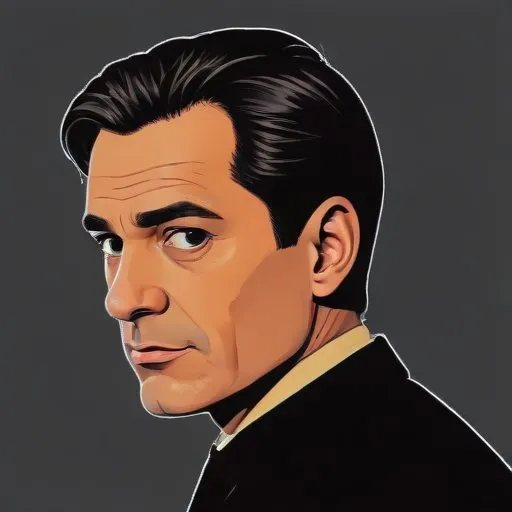
A German actor and director who worked in film and television, particularly known for his roles in German TV series and films during the 1960s and 1970s.
Viktor Schwanneke was a renowned German stage director, actor, writer, and film actor who left an indelible mark on the world of theater and cinema. With a career spanning over three decades, he is best known for his work in the early 20th century, particularly in Munich and Berlin, where he perfected his craft as a comedian and director.
Born on February 8, 1880, in the small village of Hedwigsburg, Lower Saxony, Schwanneke initially pursued a career as a bank clerk in Hanover. However, his passion for the performing arts soon took over, and he began his acting career in the early 1900s. His first engagement was at a summer theater in 1904, followed by stints at theaters in Rudolstadt, Frankfurt, and Stettin.
Schwanneke's breakthrough came in 1908 when he joined the Bavarian State Theatre in Munich. It was here that he honed his skills as a comedian, earning critical acclaim for his roles in productions such as The Rape of the Sabine Women and Twelfth Night. His success in Munich paved the way for his future endeavors in Berlin, where he would eventually settle and thrive.
In 1913, Schwanneke co-authored a book with Paul L. Fuhrmann titled Dr. Fix Bluff in 3 Aufz. During the same period, he wrote a series of booklets celebrating the histories of various German theaters. One of his most notable collaborations was with director Maximilian Sladek, with whom he worked on the comedy Der Floh im Panzerhaus SchicksalsGroteske in Berlin.
During the German Revolution of 1918-1919, Schwanneke took on the role of interim director of the Bavarian State Theatre and State Opera. In 1920, he settled permanently in Berlin, where he worked as an actor and director at the Little Theatre (Kleinen Schauspielhaus) in Charlottenburg. One of his greatest successes came late in his career, shortly before his death, at Max Reinhardt's directorship.
Viktor Schwanneke's contributions to German theater and cinema are undeniable. His work as a comedian, actor, and director paved the way for future generations of performers. Through his collaborations and writings, he left behind a rich cultural heritage that continues to inspire artists to this day.
Through his remarkable career, Viktor Schwanneke left an indelible mark on the world of theater and cinema. His legacy continues to inspire and delight audiences to this day.
Born in 1890
Pioneering filmmaker behind iconic sci-fi and noir classics, influencing generations of directors with his visual style and storytelling. 82
Born in 1901
A glamorous and androgynous Hollywood icon, known for her sultry voice, striking features, and trailblazing gender-bending style on screen. She mesmerized audiences with her unique blend of European sophistication and American charm.
Born in 1905
A legendary actress who captivated audiences with her iconic performances on the silver screen, earning her the title of Hollywood's first female superstar.
Born in 1884
A pioneering actor of the silent film era, known for his powerful, nuanced performances that earned him the first-ever Academy Award for Best Actor.
