


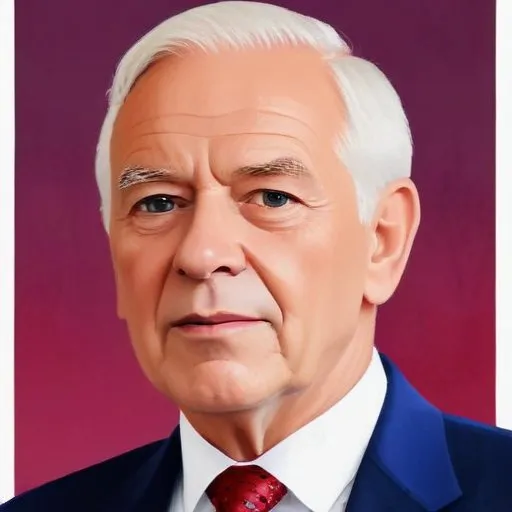
The 27th Premier of Queensland, a Labor Party leader who served from 1952 to 1957, is most known for his controversial reign marked by authoritarianism and clashes with the trade union movement. He was eventually expelled from the Labor Party and formed his own party, which ultimately led to his downfall.
Vince Gair, the 32nd Premier of Queensland, left an indelible mark on Australian politics, known for his stormy relationships with the trade union movement, his dramatic expulsion from the Labor Party, and his subsequent leadership of the Democratic Labor Party.
From 1952 to 1957, Gair's premiership was marked by controversy, clashes with union leaders, and a turbulent style of governance that ultimately led to his ousting from the Labor Party.
Born on February 25, 1901, in Rockhampton, Queensland, to John Alexander and Catherine Mary Gair, Vince was raised in a Catholic family with strong Labor Party roots. His parents, Scottish and Irish immigrants, were founding members of the Labor Party in Queensland in the 1890s.
Gair began his working life with the Department of Railways upon his family's move to Dutton Park, Queensland, and joined the Labor Party in 1916. His early political ambitions were buoyed by his marriage to Florence Glynn in 1924, although tragedy struck when she died in an accident just five years later.
In 1929, Gair won the Queensland state electorate of South Brisbane, a seat previously held by Neil MacGroarty, Attorney-General in the government of Arthur Moore. Gair's consolidation of his hold on the marginal electorate was largely successful, except in the 1938 election, when a newly formed Protestant Labor Party targeted his seat.
During World War II, Gair's star continued to rise, and in 1942, he was appointed Secretary for Mines under the elderly Frank Cooper. He later became Minister for Labour and Employment, and in 1947, his colleagues elected him as Deputys Premier.
The tumultuous relationship between Gair and the trade union movement ultimately led to his expulsion from the Labor Party in 1957. Undeterred, Gair turned his attention to the federal arena, where he was elected to the Australian Senate in 1964.
In 1965, Gair led the Democratic Labor Party (DLP), a party he would lead until 1973. His leadership of the DLP was marked by conflicts with the Australian Labor Party (ALP) and his vocal opposition to the ALP's left-wing faction.
In 1974, the Whitlam government appointed Gair as Australian Ambassador to Ireland, a move that led to his expulsion from the DLP. Gair's tenure as ambassador was marked by controversy, but he remained in the position until 1979.
Gair's personal life was marked by tragedy, including the loss of his first wife and daughter. He remarried in 1944 to Ellen Mary Sexton, with whom he had two sons.
Vince Gair's legacy is complex and multifaceted. While his stormy relationships with the trade union movement and his turbulent style of governance remain controversial, his contribution to Queensland's politics and his leadership of the DLP cannot be ignored.
Vince Gair's life and times serve as a testament to the complexities of Australian politics, marked by turmoil, tragedy, and triumph. Despite the controversies surrounding his political career, Gair remains an important figure in Queensland's history, leaving behind a legacy that continues to shape the state's politics to this day.
Born in 1890
The 15th Prime Minister of Australia, serving for just eight days in 1945, known for being the shortest-serving prime minister in Australian history. He was also a prominent educator and politician.
Born in 1894
The 13th Prime Minister of Australia, serving from 1941, known for his brief but significant term during World War II, and his role in shaping the country's economy.
Born in 1881
Early Hollywood pioneer who directed over 500 films and was a key figure in the development of the film industry. Known for his prolific output and innovative filmmaking techniques.
Born in 1911
The 29th Premier of Queensland, serving from 1968 to 1987, known for his conservative policies and significant infrastructure development projects. He played a crucial role in shaping the state's economy and politics.
