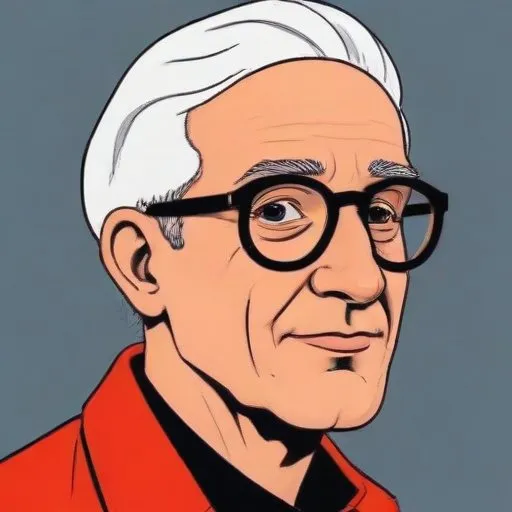
Waldo Semon: The Father of Modern Plastics
Waldo Semon, an American inventor and chemist, revolutionized the plastics industry with his groundbreaking work on polyvinyl chloride (PVC). He is credited with inventing methods for making PVC useful, earning him the title of "Father of Modern Plastics."
Early Life and Education
Born on September 10, 1898, in Demopolis, Alabama, Semon pursued his passion for chemistry at the University of Washington. He earned his BS in Chemistry in 1920 and Ph.D. in Chemical Engineering in 1924, one of the first doctoral degrees in Chemical Engineering in the nation.
The Birth of Plasticizers
Semon's most significant contribution to the plastics industry was his discovery of plasticizers, which increased the utility of PVC. He commercialized dibutyl phthalate, a plasticizer that made PVC more flexible and durable. This breakthrough led to the development of a wide range of PVC products, from pipes to vinyl records.
Koroseal and Synthetic Rubber
On December 11, 1935, Semon created Koroseal, a polymer made from salt, coke, and limestone. This innovation marked the beginning of synthetic rubber compounds, which he continued to develop throughout his career. He went on to create over 5,000 synthetic rubber compounds, including Ameripol, a successful substitute for natural rubber.
Awards and Recognition
Semon's remarkable achievements earned him numerous awards and honors. He was awarded the
Charles Goodyear Medal in 1944 and the Elliott Cresson Medal in 1964. In 1995, at the age of 97, he was inducted into the Invention Hall of Fame.
Patents and Legacy
Semon held an astonishing 116 patents, a testament to his boundless creativity and innovation. His work paved the way for the development of modern plastics, transforming industries such as construction, automotive, and consumer goods.
A Misconception: Bubble Gum
Despite popular claims, Semon did not invent bubble gum. However, he did create an indigestible synthetic rubber substance that could be used as bubble gum, producing exceptionally large bubbles. While this invention remained a curiosity, it did not lead to a commercial product.
Personal Milestones
Throughout his life, Semon worked with prominent figures in the industry, including Harry L. Fisher and Benjamin S. Garvey. He also supervised Charles S. Schollenberger, who later received the Melvin Mooney Distinguished Technology Award.
Philosophical Contributions and Beliefs
Semon's work embodied his philosophy of innovation and perseverance. He believed that even the most seemingly insignificant discoveries could lead to groundbreaking breakthroughs. His dedication to his craft inspired future generations of scientists and inventors.
Historical Context and Legacy
Waldo Semon's contributions to the plastics industry have had a lasting impact on modern society. His innovations have enabled the production of durable, affordable, and versatile products that have transformed daily life. As we look to the future, Semon's legacy serves as a reminder of the power of human ingenuity and creativity.
FAQ
What was Waldo Semons most notable invention?
Waldo Semon invented vinyl, a versatile plastic material used in a wide range of applications, from packaging to construction.
What was Waldo Semons early life and education?
Waldo Semon was born in 1898 in Ohio and received his education at the Case School of Applied Science. He later worked for the B.F. Goodrich Company.
What was Waldo Semons career like?
Waldo Semon spent most of his career working for the B.F. Goodrich Company, where he developed several important inventions, including vinyl and a synthetic rubber called Polyvinyl Acetate.
What was Waldo Semons impact on the manufacturing industry?
Waldo Semons inventions revolutionized the manufacturing industry, providing new materials and processes that transformed the way goods were produced and distributed.
What is Waldo Semons legacy today?
Waldo Semons inventions continue to have a profound impact on modern life, from the vinyl records we listen to music on to the synthetic materials used in construction and manufacturing.