


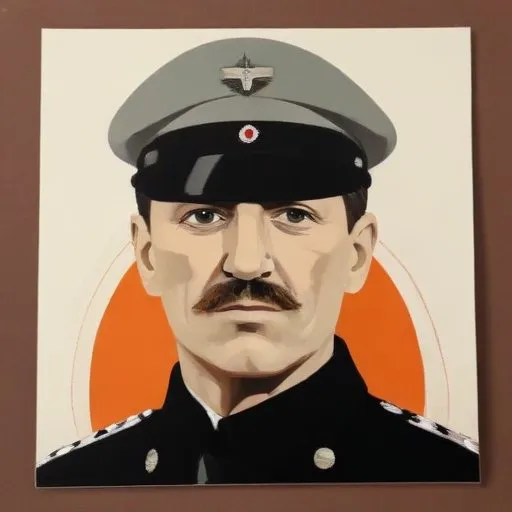
A highly skilled and decorated fighter pilot of World War I, credited with 48 aerial victories, and known for his exceptional flying skills and innovative tactics. 42
Werner Voss, a German flying ace, is credited with an impressive 48 aerial victories during World War I, earning him a reputation as one of the most skilled and fearless pilots of his time. His remarkable career was marked by a series of daring feats and exceptional prowess in the skies, which ultimately led to his tragic demise in a legendary dogfight.
Born on April 13, 1897, in Krefeld, Germany, Werner Voss was the son of a dyer. From a young age, he demonstrated a strong sense of patriotism, which led him to enlist in the military at just 17 years old in November 1914. Initially serving as a Hussar, Voss soon turned to aviation, where he quickly proved himself to be a natural pilot.
After completing flight school and serving six months in a bomber unit, Voss joined Jagdstaffel 2 on November 21, 1916, where he befriended the legendary Manfred von Richthofen. By April 6, 1917, Voss had accumulated an impressive 24 victories, earning him Germany's highest award, the Pour le Mérite.
Voss's exceptional skills and achievements led to him being assigned to evaluate new fighter aircraft, which he used to great effect. However, his temporary squadron commands were marked by controversy, culminating in his transfer to Jagdstaffel 10 on July 30, 1917, at the request of Richthofen himself. By this time, Voss's victory total had reached an impressive 34.
On September 23, 1917, Voss engaged in a legendary dogfight against eight British aces, including James McCudden, Keith Muspratt, and Arthur Rhys-Davids. Despite being vastly outnumbered, Voss put up a valiant fight, impressing his opponents with his exceptional aerobatic skills and gunnery. Ultimately, he fell to Rhys-Davids, leaving behind a legacy as one of the greatest flying aces of World War I.
Voss's remarkable career and tragic demise have had a lasting impact on the world of aviation. His exceptional skills and bravery have inspired generations of pilots, while his legendary dogfight has become a subject of debate and fascination among historians and enthusiasts alike. As one of the most revered flying aces of World War I, Werner Voss's legacy continues to inspire and captivate to this day.
Voss's exceptional bravery and dedication to his country reflect his strong sense of patriotism and duty. His remarkable achievements in the skies demonstrate his unwavering commitment to excellence and his unshakeable confidence in the face of adversity.
Voss's remarkable career has inspired generations of pilots and aviation enthusiasts, cementing his place as one of the most revered flying aces of World War I. His legacy continues to captivate and inspire, serving as a testament to the bravery and skill of those who have served in the skies.
Voss's remarkable career and tragic demise serve as a poignant reminder of the sacrifices made during World War I. His exceptional skills and bravery have earned him a lasting place in the annals of aviation history, ensuring that his legacy will continue to inspire and captivate for generations to come.
Born in 1892
A legendary fighter pilot known as the "Red Baron," credited with 80 aerial combat victories in World War I, earning him legendary status as a flying ace.
Born in 1896
A renowned fighter pilot and aerobatic champion, known for his exceptional flying skills and charismatic personality, which made him a celebrated figure in Nazi Germany.
Born in 1893
A high-ranking Nazi official, he was a decorated World War I fighter pilot and later became a prominent politician, serving as Minister President of Prussia. He's infamous for his role in the Nazi regime and war crimes trials.
Born in 1891
German captain and pilot credited with developing the rules of air combat, known as the "Dicta Boelcke", which revolutionized aerial warfare tactics.
Born in 1890
German lieutenant and pilot credited with developing the "Immelmann turn" aerial maneuver, a crucial tactic in World War I dogfighting.
Born in 1894
A German World War I flying ace, credited with 80 air combat victories, and younger brother of the famous Red Baron, Manfred von Richthofen.
