


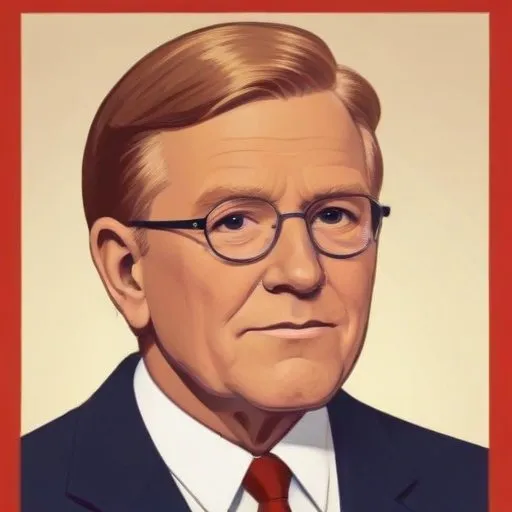
A chairman of the House Ways and Means Committee, he played a crucial role in shaping US tax policy and healthcare reform in the 1960s and 1970s. He's also infamous for a scandalous affair that led to his downfall.
Wilbur Daigh Mills, the pillar of American politics, is renowned for his instrumental role in shaping the country's healthcare and tax systems. As the chairman of the House Ways and Means Committee from 1958 to 1974, Mills orchestrated the creation of Medicare, a landmark healthcare program, and championed the Tax Reform Act of 1969, resulting in a fairer tax system.
Born on May 24, 1909, in Kensett, Arkansas, Mills grew up surrounded by politics and commerce. His father, a businessman and local politician, instilled in him the importance of public service and entrepreneurship. After completing his high school education, Mills attended Harvard Law School for three years before returning to Kensett to help his father with the family's bank and general store.
Mills' entry into politics was swift and decisive. At the age of 26, he became the youngest ever county judge of White County, Arkansas. Two years later, in 1938, he won the election to the United States House of Representatives, becoming the youngest congressman from Arkansas. Throughout his congressional career, Mills demonstrated a keen understanding of economic policy, earning him the respect of his peers and the nickname "the most powerful man in Washington."
Mills' crowning achievement was the creation of Medicare, a healthcare program designed to provide medical coverage to seniors and individuals with disabilities. As the chief architect of the program, Mills worked tirelessly to ensure its passage, eventually signing it into law in 1965. He also played a crucial role in shaping the Tax Reform Act of 1969, which lowered tax rates for low-income individuals and introduced the alternative minimum tax.
In 1972, Mills' name was entered in the presidential primaries in several states, where he campaigned on a platform of automatic cost-of-living adjustments to Social Security. Although he performed surprisingly well in some states, his presidential bid was ultimately derailed by two public incidents involving a stripper named Fanne Foxe. The controversy led to his resignation as chairman of the Ways and Means Committee and a stint in rehab for alcoholism.
After leaving office in 1977, Mills returned to the practice of law and dedicated himself to helping others struggling with addiction. He played a key role in establishing the Wilbur D. Mills Center for Alcoholism and Drug Treatment, a facility committed to providing compassionate care and rehabilitation services. Through his work, Mills continued to advocate for the importance of healthcare and social welfare programs, cementing his legacy as a champion of the American people.
Mills' political philosophy was rooted in a deep-seated commitment to social justice and equality. He believed that government had a moral obligation to protect the most vulnerable members of society, particularly the elderly and those struggling with poverty. Throughout his career, Mills championed policies that promoted fairness, equality, and access to essential services, leaving a lasting impact on American politics and society.
Born in 1908
The 36th President of the United States, a skilled politician and leader, played a crucial role in passing landmark civil rights legislation, including the Civil Rights Act and Voting Rights Act.
Born in 1917
The 35th President of the United States was a charismatic leader who navigated the country through the Cuban Missile Crisis and advocated for civil rights, leaving a lasting legacy in American politics.
Born in 1913
The 37th President of the United States, a polarizing figure who led the country through significant domestic and foreign policy changes, infamous for his involvement in the Watergate scandal.
Born in 1913
The 38th President of the United States, a former football star and lawyer, is known for being the first vice president to assume the presidency under the 25th Amendment and for his controversial pardon of Richard Nixon. He's also remembered for his humble and accidental rise to the presidency.
Born in 1924
A naval officer turned politician who served as the 39th President of the United States, known for his commitment to human rights and social justice, and awarded the Nobel Peace Prize in 2002.
Born in 1911
The charismatic leader who championed conservative policies, helped end the Cold War, and is often credited with restoring American pride and optimism. He's also remembered for his folksy, actor-honed communication style.
Born in 1924
The 41st President of the United States, a decorated war hero and skilled diplomat, led the country through the end of the Cold War and Gulf War. He's known for his foreign policy expertise and "kinder, gentler nation" vision.
80 Years Old
The 42nd President of the United States, a charismatic leader who reformed healthcare and economy, and infamous for his scandals.
