


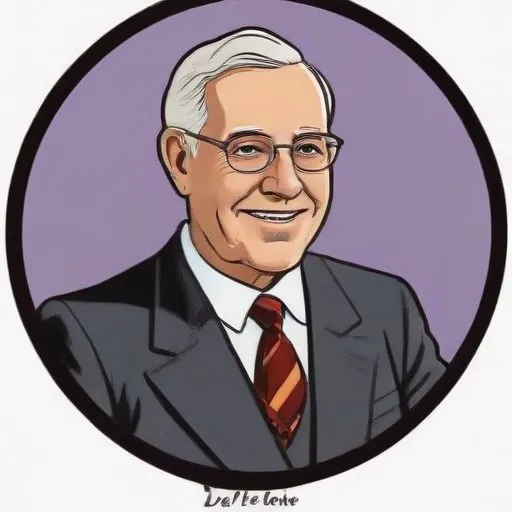
Founder of Australia's iconic biscuit company, renowned for producing delicious treats like Tim Tams and Shapes. This legacy has become an integral part of Australian culture and snacking habits.
William Arnott, the Scottish entrepreneur, is best known for founding Arnotts Biscuits Holdings, now Arnotts Biscuits Limited, one of Australia's most beloved and iconic biscuit companies. With a legacy that spans over a century, Arnott's innovative spirit and passion for baking have made his biscuits a staple in Australian households.
Born on December 6, 1827, in Pathhead, Fife, Scotland, William Arnott was the eldest of eight children to David Millie and Isobella Arnott. In 1847, along with his brother David, they set sail for Sydney, Australia on the assisted immigrants' ship Sir Edward Parry, arriving after 135 days at sea on February 17, 1848.
After arriving in Australia, Arnott initially started a baking company in Morpeth, New South Wales, where he worked for three years with his brother David. In 1851, he attempted gold mining on the Turon River diggings, but after failing to strike gold, he returned to his baking roots.
In 1865, Arnott established the William Arnotts Steam Biscuit Factory in Newcastle, New South Wales, which was powered by steam-driven machines or rotary ovens. This marked the beginning of Arnotts Biscuits, a company that would go on to become a household name in Australia.
During his career, Arnott introduced several innovative biscuit recipes, including the famous Milk Arrowroot biscuits, a combination of arrowroot biscuits and plain milk biscuits marketed as a healthy option for children. The Milk Arrowroot biscuits became extremely popular, prompting rival companies to create imitations.
Arnott also produced other beloved biscuits like Tim Tam, Jatz, and SAO, which remain staple offerings from Arnotts Biscuits to this day.
A prominent member of the Wesleyan Church, Arnott taught Sunday school for nearly 25 years and was married to Monica Sinclair in 1848, with whom he shared a life dedicated to faith and community service.
William Arnott's contribution to the Australian biscuit industry is immeasurable. His innovative spirit, dedication to quality, and commitment to community service have left an indelible mark on the country's culinary landscape.
Today, Arnotts Biscuits remains a beloved Australian brand, with its iconic biscuits continuing to bring joy to generations of families. William Arnott's legacy serves as a testament to the power of hard work, innovation, and a passion for baking.
Born in 1785
A pioneering ornithologist and artist, famous for meticulously illustrating and documenting North American bird species in his iconic book "The Birds of America". His work remains a cornerstone of ornithology and wildlife art.
Born in 1824
A 19th-century adventurer who led multiple private military expeditions in Central America, attempting to conquer and establish his own governments. He's infamous for his filibustering exploits.
Born in 1738
First Governor of New South Wales, establishing the British colony in Australia in 1788, and overseeing its early development. He played a crucial role in shaping the country's early history.
Born in 1728
Pioneering surgeon and anatomist who made groundbreaking discoveries in human anatomy, particularly in the field of venereal diseases, and was a pioneer in scientific surgery.
Born in 1774
Mapped the coastline of Australia, creating the first complete chart of the continent, and is credited with giving Australia its name.
Born in 1797
Australian explorer who led expeditions to chart the country's interior, discovering new lands and resources, and paving the way for European settlement.
