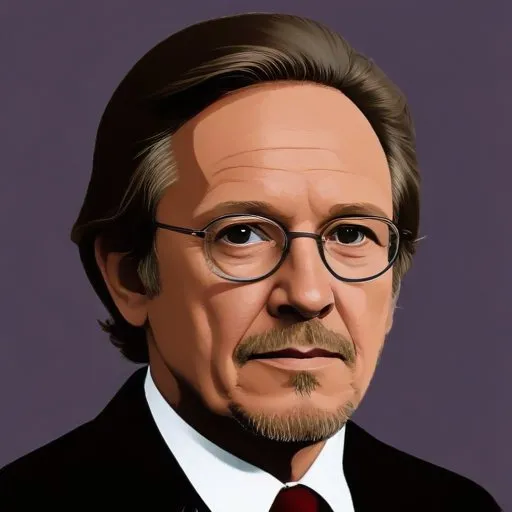
William Ayers: The Controversial American Educator and Activist
Early Life and Radical Roots
William Charles Ayers, born on December 26, 1944, is an American educator, activist, and author, best known for his involvement with the radical activist group the Weather Underground and his subsequent tenure as a distinguished professor of education at the University of Illinois at Chicago. As a prominent figure in the 1960s and 1970s counterculture movement, Ayers has been both praised and reviled for his unapologetic stance on social justice and education reform.
Weather Underground and Activism
Ayers' association with the Weather Underground, a militant left-wing organization, has been the subject of much controversy. During the late 1960s and early 1970s, the group orchestrated a series of bombings and protests against the US government, particularly in response to the Vietnam War. Ayers, along with his then-partner
Bernardine Dohrn, was involved in the organization's leadership and was eventually forced into hiding after being implicated in several high-profile cases.
Educational Contributions and Philosophy
Despite his controversial past, Ayers has made significant contributions to the field of education. He has written extensively on topics such as teacher education, curriculum development, and social justice in education. Ayers' philosophical approach to education is rooted in critical pedagogy, emphasizing the need for students to critically examine and challenge the dominant social narratives.
To Teach: The Journey of a Teacher
One of Ayers' most notable works is his 2010 memoir,
To Teach: The Journey of a Teacher, which chronicles his experiences as a teacher and educator. The book offers a candid and introspective account of Ayers' own journey, from his radical roots to his later career as a respected educator.
Controversies and Public Perception
Ayers has been at the center of several controversies, including his association with
Barack Obama during the 2008 presidential campaign. Critics have accused Ayers of being unrepentant about his past actions, while supporters argue that he has been unfairly maligned and that his work has been unfairly reduced to his involvement with the Weather Underground.
Quotes and Memorable Sayings
- "I think it's a tremendous accomplishment to have been part of a movement that was committed to ending the war in Vietnam." — William Ayers
- "Education is not a preparation for life, but rather it is life itself." — William Ayers
Historical Context and Legacy
William Ayers' life and work are inextricably linked with the tumultuous social and political landscape of the 1960s and 1970s. As a figure whose actions have been both praised and condemned, Ayers serves as a complex and multifaceted symbol of the era's ideals and contradictions. Despite the controversies surrounding him, Ayers' commitment to social justice and education reform remains unwavering.
Comparative Analysis with Contemporaries
In comparing Ayers to his contemporaries, it becomes clear that his unique blend of activism and education has set him apart. While figures like
Abbie Hoffman and
Jerry Rubin were more focused on the spectacle of protest, Ayers' commitment to education and community-building has earned him a reputation as a thoughtful and dedicated educator.
Career Highlights and Major Works
- Professor of Education, University of Illinois at Chicago (1987-2010)
- Author of To Teach: The Journey of a Teacher (2010)
- Co-founder of the Small Schools Workshop (1992)
Personal Milestones and Key Life Events
- Marriage to Bernardine Dohrn (1969-1980)
- Born on December 26, 1944, in Oak Park, Illinois
Impact on Modern Society
William Ayers' influence on modern society is multifaceted. As an educator, he has inspired generations of students and teachers to think critically about social justice and education reform. As an activist, he has forced Americans to confront the complexities of radicalism and the need for systemic change. Love him or hate him, William Ayers has left an indelible mark on American history.