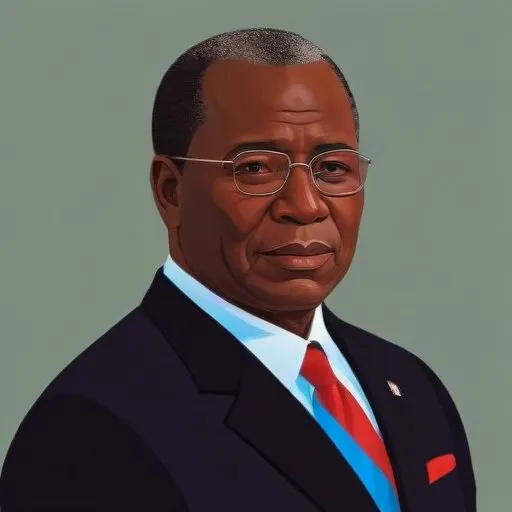
William D. Coleman: The 13th President of Liberia
A Legacy of Leadership and Perseverance
William D. Coleman is renowned for his remarkable journey from a slave in Kentucky to the 13th President of Liberia, serving from 1896 to 1900. As a True Whig Party member, he played a pivotal role in shaping the country's political landscape during a tumultuous period in its history.
Early Life and Emigration
Born on July 18, 1842, in Fayette County, Kentucky, Coleman was of mixed-race background. His mother, Ellen, was a widow who emigrated to Liberia in 1853 with her four children, including William. The family settled in Clay-Ashland, near Monrovia, where Coleman trained as a carpenter and worked various manual labor jobs before becoming a successful trader.
Pursuing Education and Politics
Despite the challenges of poverty and limited access to education, Coleman studied at night, eventually acquiring the education he had missed as a child. His dedication to self-improvement paved the way for his entry into politics. In 1877, he was elected to the House of Representatives, representing Montserrado County, and subsequently became the Speaker of the House.
Rise to Prominence
Coleman's political career grew steadily, with his election as a senator for Montserrado County in 1879. He served in this capacity until he was elected vice president alongside Joseph James Cheeseman on the True Whig ticket in 1892. The duo was reelected twice, with Coleman ascending to the presidency upon Cheeseman's death in 1896.
Presidential Tenure (1896-1900)
During his presidency, Coleman focused on consolidating power, addressing internal conflicts, and promoting economic development. He worked to strengthen the country's infrastructure, improve trade relationships, and enhance Liberia's international reputation.
Personal Life and Tragedy
In 1896, Coleman married Ophelia Coleman, a native of Arkansas who had emigrated to Liberia in 1895. Tragically, Ophelia died on June 24, 1898, in the Executive Mansion in Monrovia.
Legacy and Impact
William D. Coleman's remarkable life serves as a testament to the power of perseverance, education, and determination. His presidency marked a significant milestone in Liberia's history, as he worked tirelessly to promote stability, growth, and progress. Today, his legacy continues to inspire generations, reminding us that even the most challenging circumstances can be overcome with courage and dedication.
Key Milestones and Achievements
- Emigrated to Liberia in 1853 with his family
- Elected to the House of Representatives in 1877
- Became Speaker of the House of Representatives
- Elected as a senator for Montserrado County in 1879
- Elected vice president alongside Joseph James Cheeseman in 1892
- Became the 13th President of Liberia in 1896
Conclusion
William D. Coleman's extraordinary journey from slavery to presidency is a powerful reminder of the human capacity for growth, resilience, and achievement. His legacy continues to inspire and educate, serving as a beacon of hope for generations to come.
FAQ
What was William D. Colemans role in Liberian politics?
William D. Coleman was the 13th President of Liberia, serving from 1892 to 1896. He was a prominent politician and government official who played a key role in Liberias early development.
What were William D. Colemans achievements as President?
William D. Colemans achievements as President included the modernization of Liberias infrastructure, the promotion of agriculture and commerce, and the strengthening of the countrys international relations.
What was William D. Colemans early life like?
William D. Coleman was born in Kentucky, USA, in 1842. He moved to Liberia with his family as a child and was educated in the country. He later became a lawyer and politician, serving in various government positions before becoming President.
How did William D. Colemans work influence later Liberian politics?
William D. Colemans work laid the foundation for Liberias development as an independent nation. His policies and reforms paved the way for later presidents and helped to establish Liberia as a stable and prosperous country.
What was William D. Colemans legacy in Liberia?
William D. Colemans legacy in Liberia is that of a dedicated public servant and statesman who worked tirelessly to promote the countrys development and prosperity. He is remembered as one of Liberias most important leaders of the late 19th century.