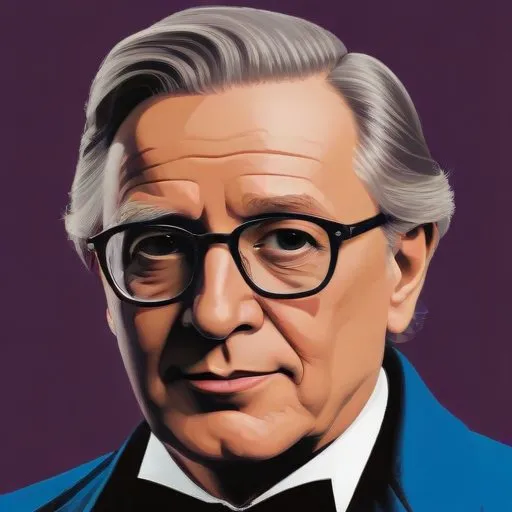
William Duckworth: The Pioneer of Postminimal Music
A Legacy of Innovation
William Duckworth, a renowned American composer, author, educator, and Internet pioneer, left an indelible mark on the world of music. He is credited with composing the first postminimal piece of music,
The Time Curve Preludes, a groundbreaking work that redefined the boundaries of musical expression.
Early Life and Education
Born on January 13, 1943, in North Carolina, Duckworth's journey in music began at a young age. He earned a Bachelor's degree in music from East Carolina University, followed by Master's and Doctoral degrees in music education from the University of Illinois at Urbana-Champaign. During his academic tenure, he had the privilege of studying composition under the guidance of esteemed composer
Ben Johnston and wrote his Ph.D. dissertation on the notation of composer John Cage.
A Prolific Composer
Duckworth's compositions are a testament to his innovative spirit, with over 200 pieces of music to his credit. His notable works include:
- Southern Harmony, a collection of 20 pieces for an eight-part chorus, which masterfully blends shape note singing and minimalism.
- Mysterious Numbers, a captivating composition for chamber orchestra.
- Imaginary Dances, a solo piano piece that showcases Duckworth's mastery of nuance and expression.
- Simple Songs about Sex and War, a collaboration with poet Hayden Carruth that explores the complexities of human experience.
The Time Curve Preludes: A Landmark Work
The Time Curve Preludes, a set of 24 short pieces for piano, is arguably Duckworth's most iconic composition. This pioneering work, written between 1977 and 1978, not only pushed the boundaries of minimalism but also redefined the role of the piano in modern music. The piece has been lovingly interpreted by renowned pianists Bruce Brubaker and R.
Andrew Lee, who have recorded it to great acclaim.
Awards and Honors
Duckworth's contributions to music did not go unnoticed. He received a 2002 Foundation for Contemporary Arts Grants to Artists Award, as well as a fellowship from the National Endowment of the Arts in 1977.
Personal Life and Collaborations
Duckworth's personal life was marked by a deep connection with his wife, Nora Farrell, whom he married after collaborating with her on various internet projects. Together, they founded Monroe Street Music, a publishing house that promoted many of Duckworth's compositions. He also maintained a close professional relationship with James Jordan, a renowned choral conductor who frequently performed Duckworth's music with his world-renowned ensembles.
Legacy and Impact
William Duckworth's passing on September 13, 2012, marked the end of an era in music. However, his legacy continues to inspire generations of composers, musicians, and music enthusiasts alike. His innovative spirit, coupled with his tireless pursuit of artistic excellence, has left an indelible mark on the world of music.
FAQ
What is William Duckworths most famous composition?
William Duckworths most famous composition is Southern Harmony, a musical work that explores the intersection of folk music and avant-garde classical music.
What is William Duckworths musical style?
William Duckworths musical style is characterized by its eclecticism, blending elements of folk, rock, and classical music to create a unique sound.
What is William Duckworths role in the development of post-minimalist music?
William Duckworth is considered a key figure in the development of post-minimalist music, a movement that rejected the formalism of minimalism and sought to incorporate new sounds and influences.
What awards has William Duckworth won for his music?
William Duckworth has won several awards for his music, including the National Endowment for the Arts Grant and the American Academy of Arts and Letters Award.
What is William Duckworths legacy in American music?
William Duckworth is considered a pioneering figure in American music, known for his innovative compositions and his role in shaping the course of post-minimalist music.