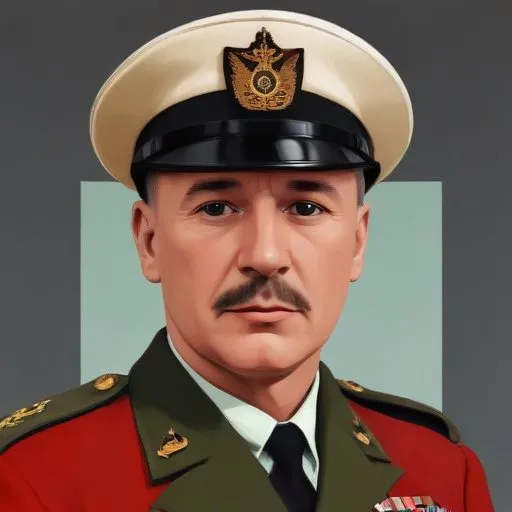
William George Barker: The Most Decorated Serviceman in Canadian History
A Legacy of Bravery and Skill in the Skies
William
George Barker is renowned as the most decorated serviceman in the history of Canada, earning unprecedented accolades for his exceptional bravery and flying prowess during World War I. With an impressive array of honors, including the Victoria Cross, Barker's name has become synonymous with valor and excellence in the annals of military history.
Early Life and Skills
Born on November 3, 1894, on a family farm in Dauphin, Manitoba, Barker grew up on the rugged frontier of the Great Plains. His early life was marked by a love for the outdoors, horses, and shooting. He was an exceptional marksman, modifying his lever-action Winchester with an iron sight to suit his skills. His ability to shoot with precision, even while on horseback, would later prove invaluable in his military career.
Enlistment and Military Career
In December 1914, Barker enlisted as a trooper in the 1st Canadian Mounted Rifles, soon after the outbreak of World War I. He served in England and France, initially as a Colt machine gunner, before transferring to the Royal Flying Corps in 1916. Commissioned as a second lieutenant in April 1916, Barker quickly distinguished himself as a skilled pilot and observer.
Aerial Exploits and Victoria Cross
Barker's aerial feats are the stuff of legend. He flew numerous sorties, engaging enemy aircraft and providing crucial reconnaissance support to ground troops. On October 27, 1918, Barker's bravery reached new heights when he single-handedly fought off a formation of 15 Fokker D.VII aircraft, downing four and damaging several others. This remarkable achievement earned him the Victoria Cross, the highest military honor bestowed by the British Empire.
Awards and Honors
- Victoria Cross
- Distinguished Service Order (DSO)
- Military Cross (MC)
- Distinguished Flying Cross (DFC)
- Croix de Guerre (France)
- Médaille militaire (France)
Legacy and Impact
William George Barker's extraordinary achievements have left an indelible mark on Canadian military history. He is an inspiration to generations of servicemen and women, embodying the values of courage, skill, and selflessness. Barker's legacy extends beyond his military service, symbolizing the nation's commitment to excellence and bravery in the face of adversity.
Personal Life and Later Years
After the war, Barker returned to Canada, where he remained involved in aviation and served as a flight instructor. Tragically, his life was cut short in a flying accident on March 12, 1930. Barker's remarkable story continues to captivate and inspire, serving as a testament to the enduring power of human bravery and excellence.
FAQ
What is William George Barkers most notable military achievement?
Barker is known for his bravery during World War I, particularly his role in the Battle of Amiens, where he was awarded the Victoria Cross for his actions.
What is William George Barkers contribution to Canadian military history?
Barker was a highly decorated pilot and colonel who served with distinction during World War I, and his bravery and leadership have made him a hero in Canadian military history.
How did William George Barker get involved in military service?
Barker enlisted in the Canadian Expeditionary Force in 1914, and he quickly distinguished himself as a skilled and fearless pilot.
What awards did William George Barker receive for his military service?
Barker was awarded the Victoria Cross, the Distinguished Service Order, and the Military Cross for his bravery and service during World War I.
What is William George Barkers legacy in modern Canadian military history?
Barkers bravery and leadership continue to inspire and motivate Canadian military personnel, and his legacy serves as a reminder of the sacrifices made by Canadian soldiers during World War I.