


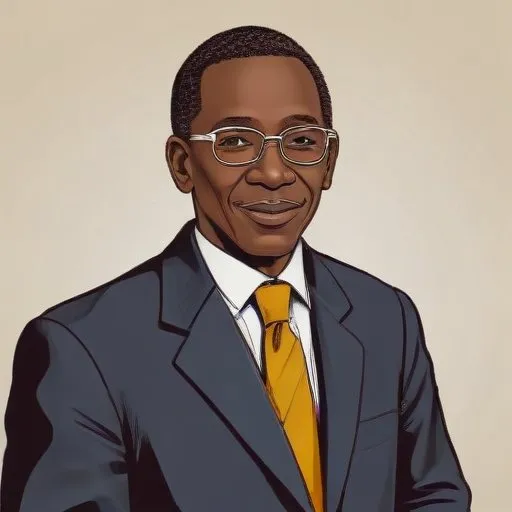
A pioneering Baptist minister and missionary who fought for the abolition of slavery in Jamaica, establishing schools and churches to empower the local community.
William Knibb, a devoted English Baptist minister and missionary, is revered for his pivotal role in the abolition of slavery in Jamaica. His unwavering dedication to freeing enslaved Africans in the 19th century has earned him a place in the annals of history as a champion of human rights.
Born on September 7, 1803, in Kettering, Northamptonshire, England, Knibb was the fifth child of Thomas Knibb, a tradesman, and Mary (née Dexter). His parents, active in the local independent church, instilled in him a strong sense of morality and compassion.
Following in the footsteps of his elder brother, Thomas, who had served as a missionary-schoolmaster in Jamaica, William volunteered to replace him after his untimely death at the age of 24. This decision marked the beginning of Knibb's journey as a missionary and advocate for social justice.
In 1824, Knibb married Mary Watkins and, just two days later, set sail for Jamaica to assume his role as a schoolmaster at the Baptist mission school in Kingston. He soon became acquainted with fellow missionaries Thomas Burchell and James Phillippo, forming a triumvirate that would work tirelessly to promote education, Christianity, and the abolition of slavery.
Knibb's commitment to the Baptist church and the local community was evident in his relocation to Savannala-Mar in 1828, where he continued to build a network of schools and chapels. His unwavering dedication culminated in his appointment as the minister responsible for the Baptist church at Falmouth in 1830, a position he held until his passing in 1845.
Knibb's passionate crusade against slavery was rooted in his deep-seated belief in the inherent dignity and equality of all human beings. He worked closely with African-Caribbean Baptist deacons, who had founded the Baptist church in Jamaica, to challenge the institution of slavery.
Through his sermons, writings, and interactions with the colonial authorities, Knibb consistently emphasized the immorality and injustice of slavery. His tireless efforts contributed significantly to the eventual abolition of slavery in the British Empire in 1833.
In recognition of his outstanding contributions to the fight against slavery, Knibb was posthumously awarded the Jamaican Order of Merit in 1988, on the 150th anniversary of the abolition of slavery in the British Empire. He became the first white male to receive the country's highest civil honor.
Today, William Knibb's legacy serves as a testament to the power of unwavering dedication and moral conviction. His fearless crusade against slavery continues to inspire generations, reminding us of the importance of respecting human rights and promoting social justice.
Born in 1759
A British abolitionist who led the movement to end the slave trade in the UK, playing a key role in passing the Slave Trade Act of 1807.
Born in 1735
Co-founder of the Sierra Leone Company, a pioneering abolitionist who helped establish a colony for freed slaves in West Africa, and a renowned biblical scholar.
82 Years Old
A dominant force in West Indian cricket, leading his team to two World Cup titles and revolutionizing the game with his aggressive style of play.
68 Years Old
A fearsome fast bowler and astute coach, renowned for his exceptional skill and innovative tactics that inspired generations of cricketers.
75 Years Old
A legendary opening batsman and coach, renowned for his aggressive playing style and impressive record in Test cricket, inspiring generations of players.
