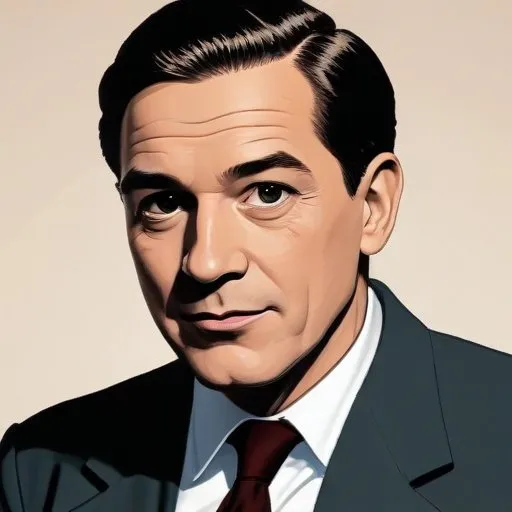
William Laurel Harris: The Visionary Muralist and Arts Organizer
A Legacy of Beauty and Innovation
William Laurel Harris was a pioneering American muralist, educator, editor, and arts organizer, renowned for his breathtaking works of art that adorned the walls of prominent institutions and churches. Harris's most notable contribution was his 15-year-long project at the Church of Saint Paul the Apostle, also known as the Paulist Fathers Church, in New York City, where he painted murals, designed decorative elements, and worked alongside esteemed artists such as
Augustus Saint-Gaudens and Stanford White.
Early Life and Education
Born on February 18, 1870, in Brooklyn, New York, Harris's life took a dramatic turn when he was orphaned at the age of four. Raised by his grandmother in Windsor, Vermont, Harris was fortunate to have encountered Augustus Saint-Gaudens,
Maxfield Parrish, and Stephen Parrish, who instilled in him a passion for art. He pursued his studies with T.W. Dewing in Boston, where he became Dewing's monitor at the School of the Museum of Fine Arts.
Career Highlights and Major Works
Harris's illustrious career was marked by several notable achievements, including:
- Founder of the Art Centre with Katherine Dreier
- President of the Municipal Art Society in 1912
- Vice President of the Architectural League of New York
- Member of The National Mural Painters Society and The Fine Arts Federation
His magnum opus, the Church of Saint Paul the Apostle, showcases his exceptional talent as a muralist and decorative artist. The church, dubbed an "experiment in democracy in American art," features contributions from renowned artists, making it a testament to Harris's collaborative spirit and innovative approach to art.
Philosophical Contributions and Beliefs
Harris's work was deeply rooted in his conviction that art should be accessible to all. He believed in the power of art to uplift and inspire, which is reflected in his pursuit of beauty and innovation throughout his career.
Personal Milestones and Key Life Events
Harris's life was not without its challenges. He was fired by the Paulists in 1913, allegedly due to a personal dispute, which marked a significant turning point in his life. Despite this setback, Harris continued to work tirelessly, leaving behind a legacy that continues to inspire generations of artists and art enthusiasts.
Controversies and Public Perception
In 1958, a disastrous cleaning of the Church of Saint Paul the Apostle resulted in the loss of several of Harris's murals, leading to widespread criticism and outrage among art lovers and conservationists. This incident highlights the importance of preserving our cultural heritage and the need for responsible stewardship of artistic treasures.
Legacy and Impact
William Laurel Harris's contributions to the world of art are immeasurable. His innovative approach to mural painting, decorative arts, and arts organization has left an indelible mark on American art. Today, his work continues to inspire and delight, serving as a testament to the power of creativity and collaboration.
Quotes and Memorable Sayings
While Harris's quotes are not widely documented, his life's work speaks volumes about his dedication to the pursuit of beauty and his commitment to making art accessible to all.
Influence on Modern Society
Harris's legacy extends beyond the art world, influencing modern society in subtle yet profound ways. His emphasis on collaboration, innovation, and accessibility has inspired generations of artists, educators, and social reformers.
Awards and Honors
Though Harris's awards and honors are not well-documented, his contributions to American art have earned him a place among the pantheon of great artists and arts organizers of his time.
Conclusion
William Laurel Harris's remarkable life and career serve as a beacon of inspiration, reminding us of the transformative power of art and the importance of preserving our cultural heritage. As we gaze upon his breathtaking murals and decorative elements, we are reminded of the enduring legacy of a visionary artist who dared to dream big.