


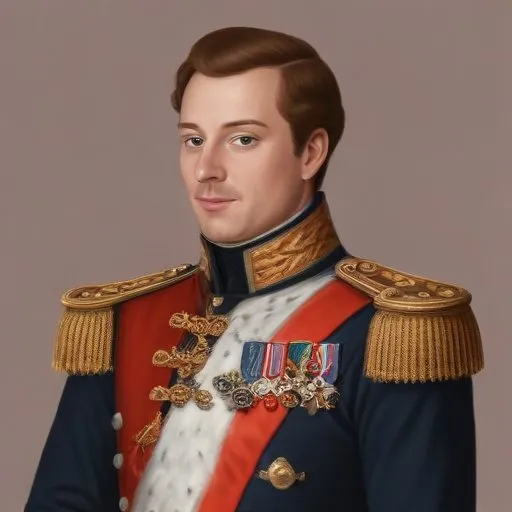
William Louis, Count of NassauSaarbrcken, is renowned for his prominent role in European politics during the early 17th century, particularly in the realm of territorial disputes and religious conflicts. As a member of the Walram line of the House of Nassau, he played a crucial part in shaping the fate of his family's possessions and territories.
William Louis was born on December 18, 1590, in Ottweiler, to Louis II of NassauWeilburg and Landgravine Anna Maria of HesseKassel. He received a comprehensive education at Metz from 1609 to 1614, which laid the foundation for his future political endeavors.
In 1616, William Louis became coregent with his father, marking the beginning of his active involvement in politics. Upon his father's death in 1627, he assumed the role of guardian to his two youngest brothers, Otto and Ernest Casimir. The following year, he received the County of Saarbrcken, the herrschaft of Ottweiler, the Bailiwick of Herbitzheim, and the Community of Saarwellingen as part of the inheritance division.
However, his reign was soon challenged by the Edict of Restitution issued by Emperor Ferdinand II, which aimed to restore church property confiscated after 1552. This led to claims from the Prince Bishops of Mainz and Trier on substantial parts of the Nassau brothers' possessions. William Louis appealed to the Imperial Council of Princes, and his case was acknowledged in 1630.
William Louis's legacy is marked by his unwavering dedication to protecting his family's territories and possessions. Despite facing numerous challenges and disputes, he persevered and played a significant role in shaping the course of European politics during his time. His contributions continue to be felt, and his name remains synonymous with the House of Nassau's rich history.
William Louis, Count of NassauSaarbrcken, passed away on August 22, 1640, in Metz, leaving behind a lasting impact on the world of politics and territorial governance.
88 Years Old
The former Queen of the Netherlands, known for her dedication to humanitarian causes and her role in modernizing the Dutch monarchy. She reigned for 33 years, earning respect for her wisdom and diplomacy.
