


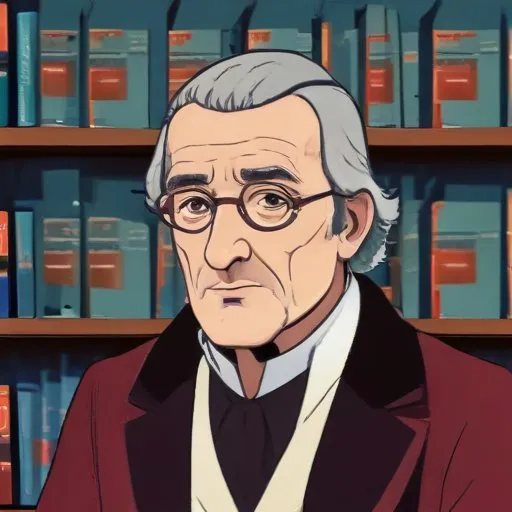
A pioneering antiquarian and literary historian, he uncovered and preserved valuable historical documents and manuscripts, shedding light on England's past.
William Oldys, born on July 14, 1696, was a renowned English antiquarian and bibliographer, recognized for his remarkable contributions to the field of literature and history. He is particularly celebrated for his meticulous research and documentation of literary works, earning him a reputation as one of the most influential scholars of his time.
Oldys was likely born in London, the illegitimate son of Dr. William Oldys, the chancellor of Lincoln diocese. His father's tumultuous career, which included losing his office of advocate of the admiralty, had a direct impact on Oldys' life. The younger Oldys lost part of his inheritance in the infamous South Sea Bubble and subsequently spent six years as a guest of the Earl of Malton in Yorkshire.
Upon his return to London, Oldys discovered that his landlord had sold his cherished collection of books and papers, including an annotated copy of Gerard Langbaine's Dramatick Poets. This unfortunate event led to the publication of Lives of the Poets in 1753, a work erroneously attributed to Theophilus Cibber, but largely written by Robert Shiels.
In 1731, Oldys sold his remaining collections to Edward Harley, 2nd Earl of Oxford and Earl Mortimer, who appointed him as his literary secretary in 1738. However, Harley's untimely death three years later left Oldys without a patron, forcing him to work for booksellers to make ends meet.
Oldys' irregular habits and financial difficulties led to his imprisonment in the Fleet prison in 1751. After two years, his debts were paid off by kind friends, securing his release. This challenging period did not deter Oldys, who went on to secure the position of Norfolk Herald Extraordinary and later, Norroy King of Arms, thanks to the patronage of the Duke of Norfolk in 1755.
Oldys' most notable works include The British Muse, a groundbreaking poetry anthology published in 1738, and his twenty-two articles contributed to the Biographia Britannica between 1747 and 1760. His dedication to the field of antiquarianism and bibliography left an indelible mark on literary history, solidifying his position as a pioneering figure in his field.
Oldys' personal relationships are shrouded in mystery, with little documentation available about his family life. However, his professional relationships, particularly with Edward Harley, played a significant role in shaping his career.
William Oldys' remarkable contributions to the fields of antiquarianism and bibliography have had a lasting impact on literary scholarship. His meticulous research and documentation of literary works have inspired generations of scholars, cementing his place as a pioneering figure in the world of literature and history.
Despite his personal struggles and challenges, Oldys' legacy serves as a testament to the power of dedication and perseverance, inspiring future generations to pursue careers in literary research and scholarship.
Born in 1737
Wrote "The History of the Decline and Fall of the Roman Empire", a monumental work that shaped the field of historiography and remains a classic in the study of ancient civilizations.
Born in 1711
A Scottish Enlightenment thinker who developed influential ideas on morality, ethics, and human nature, and is considered one of the most important figures in the history of Western philosophy.
Born in 1694
A witty and insightful 18th-century writer and philosopher who used satire to critique societal norms and advocate for reason, tolerance, and human rights.
Born in 1712
A pioneering thinker who shaped modern democracy and education with his ideas on social contracts, general will, and the importance of early childhood education. His writings influenced the French Revolution and modern political thought.
Born in 1724
Developed influential philosophical frameworks, such as the Critique of Pure Reason, that shaped modern Western thought on ethics, morality, and human understanding.
Born in 1632
A 17th-century thinker who laid the groundwork for modern democracy, arguing that governments derive their power from the people and that individuals have inherent rights to life, liberty, and property.
Born in 1643
A Scottish bishop, historian, and theologian who wrote influential works on the English Reformation and served as a close advisor to King William III. He's most known for his historical writings and ecclesiastical reforms.
