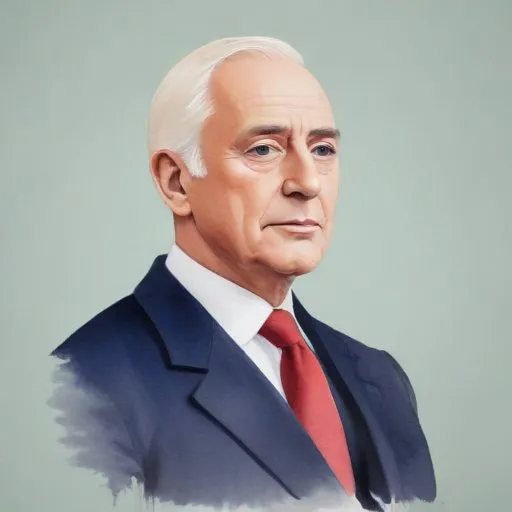
William Strode: The Parliamentarian Officer and Philanthropist
A Leader in the English Civil War
William Strode, Jr. is best known for his role as a Parliamentarian officer and Member of Parliament during the English Civil War. He was a vocal opponent of King Charles I and Charles II, and played a significant role in the war effort in his native county of Somerset.
Early Life and Family
Born on January 11, 1589, in Shepton Mallet, Somerset, Strode was the youngest son of William Strode, Sr. and Elizabeth Upton. His family had a long history in Somerset, with connections to other prominent families in the region. Strode's great-grand-uncle was the martyred last abbot of Glastonbury Abbey, the Blessed Richard Whiting, who was executed by Henry VIII.
A Wealthy Cloth Merchant
Strode followed in his father's footsteps as a successful clothier, spending much of his youth in Spain where his father was a factor. He inherited his father's fortune and married Joan Barnard, heiress to the Barnard family, in 1621. This union brought him significant wealth and property, including the purchase of Barrington Court in 1625. The estate remained in the Strode family until 1745.
Political Career
In 1640, Strode was elected as the Member of Parliament for Ilchester, a position he held until 1648. During this time, he actively opposed the King's Commission of Array in Somerset and was one of the parliamentary deputylieutenants in the county. Strode's leadership and influence played a significant role in the Parliamentarian efforts in the region.
Philanthropy and Legacy
Strode was known for his local philanthropy, supporting various causes and charitable initiatives in Somerset. He was also a patron of the arts, sitting for a portrait by Gilbert Soest in 1635, which survives to this day. Strode's legacy as a Parliamentarian officer and philanthropist has endured, with his name synonymous with bravery, leadership, and generosity.
Personal Milestones and Key Life Events
- 1589: Born in Shepton Mallet, Somerset
- 1621: Married Joan Barnard, heiress to the Barnard family
- 1625: Purchased Barrington Court
- 1635: Sat for a portrait by Gilbert Soest
- 1640: Elected as Member of Parliament for Ilchester
- 1642: Became a parliamentary deputylieutenant in Somerset
- 1666: Died at Barrington Court
Historical Context and Legacy
Strode's life and legacy are set against the backdrop of the English Civil War, a tumultuous period in British history. His bravery, leadership, and philanthropy have left an indelible mark on Somerset and beyond. Today, he is remembered as a champion of Parliamentarian values and a devoted son of Somerset.
FAQ
What was William Strodes role in English politics during the 16th century?
William Strode was an English politician who played a significant role in the countrys parliament during the 16th century. He served as a Member of Parliament for various constituencies, advocating for the rights and interests of his constituents.
What were William Strodes views on the English monarchy?
William Strode was a vocal critic of the English monarchy, particularly during the reign of Queen Mary I. He advocated for limiting the monarchs powers and promoting parliamentary authority.
How did William Strodes parliamentary career reflect the turmoil of 16th-century England?
William Strodes parliamentary career reflected the turmoil of 16th-century England, marked by the struggle for power between the monarchy and parliament. He navigated the treacherous waters of Tudor politics, often finding himself at odds with the ruling elite.
What was William Strodes stance on religious reforms?
William Strode was a staunch Protestant, advocating for religious reforms and the separation of the Church of England from Catholic authority. He played a key role in shaping the English Reformation.
How is William Strode remembered in English history?
William Strode is remembered as a courageous and vocal advocate for parliamentary authority and religious reform in 16th-century England. His contributions to the countrys political and religious development are still studied and appreciated today.