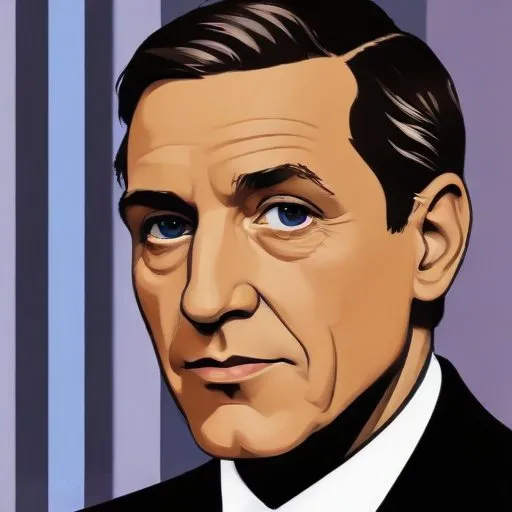
William Sulzer: The Turbulent Life of New York's 39th Governor
A Politician of Contrasts
William Sulzer, also known as "Plain Bill Sulzer," was a lawyer, politician, and the 39th governor of New York. He is infamous for being the first and only New York governor to be impeached and convicted on articles of impeachment.
Early Life and Education
Born on March 18, 1863, in Elizabeth, New Jersey, Sulzer was the second of eight children to Lydia Jelleme and Thomas Sulzer, a German immigrant. He grew up on his family's farm and attended public schools in Elizabeth. At the age of 12, Sulzer left home to work as a cabin boy on the brig William H. Thompson, returning a year later to become a clerk in a grocery store. He later took night classes at Cooper Union and attended lectures at Columbia Law School, eventually studying law with the New York City firm of Parish & Pendleton. Sulzer was admitted to the bar in 1884 and began practicing law in New York City.
Rise to Political Prominence
Sulzer's career in politics began in 1884 when he worked for the Tammany Hall political machine on New York's East Side as a stump speaker for various Democratic campaigns, including the presidential campaign of then-Governor
Grover Cleveland. He became a member of the New York State Assembly in 1890, serving multiple terms until 1894. His participation in the machine helped him secure appointments to the Committee on General Laws.
Governor of New York
In 1912, Sulzer was elected as the Governor of New York, defeating incumbent Governor John Alden Dix. However, his tenure was marked by controversy and scandal. Sulzer broke with his sponsors at Tammany Hall, and they produced convincing evidence that he had falsified his sworn statement of campaign expenditures. This led to his impeachment and conviction on October 17, 1913.
Personal Life
Sulzer married Clara Rodelheim in 1908. His brother, Charles August Sulzer, pursued a successful political career in Alaska. Sulzer's personal life was marked by his love for adventure, having worked as a cabin boy at a young age and taking night classes to further his education.
Legacy
William Sulzer's turbulent life and political career serve as a testament to the complexities of human nature. His fall from grace as Governor of New York serves as a reminder of the importance of integrity and accountability in politics. Despite his controversial legacy, Sulzer remains an important figure in New York's political history.
Timeline of Major Events
- March 18, 1863: Born in Elizabeth, New Jersey
- 1884: Admitted to the bar and began practicing law in New York City
- 1890-1894: Served in the New York State Assembly
- 1912: Elected as the Governor of New York
- October 17, 1913: Impeached and convicted on articles of impeachment
- November 6, 1941: Passed away at the age of 78
FAQ
What was William Sulzers most notable achievement?
William Sulzers most notable achievement was his election as the 39th Governor of New York in 1912. He was a prominent figure in New York politics and was known for his progressive policies and his commitment to reform.
What was William Sulzers role in the Democratic Party?
William Sulzer was a key figure in the Democratic Party in New York and played a significant role in shaping the partys platform and policies. He was a leader in the progressive wing of the party and advocated for reforms such as workers compensation and womens suffrage.
How did William Sulzers personal life influence his politics?
William Sulzers personal life, including his experiences as a laborer and his relationships with immigrants, influenced his politics and gave him a deep understanding of the needs and concerns of working-class people.
What was William Sulzers stance on Tammany Hall?
William Sulzer was a vocal critic of Tammany Hall, a powerful political machine that dominated New York City politics. He sought to reform the system and reduce the influence of Tammany Hall over the Democratic Party.
How did William Sulzers governorship end?
William Sulzers governorship ended in controversy when he was impeached and removed from office in 1913. He was accused of corruption and misusing campaign funds, charges that he denied until the end of his life.