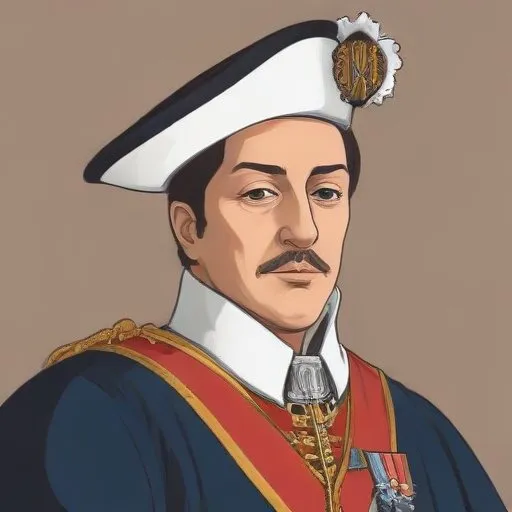
The Fearless Crusader: William VIII, Marquess of Montferrat
A Crusading Legacy
William VIII, Marquess of Montferrat, is renowned for his unwavering bravery and unrelenting dedication to the crusading cause. As a prominent nobleman of the medieval period, he played a pivotal role in the Fifth Crusade, earning him recognition as a champion of Christendom.
Early Life and Career
Born circa 1100, William VIII was the son of Ranier I, Marquess of Montferrat, and Gisela, daughter of William I, Count of Burgundy. Through his family ties, he inherited the marquisate of Montferrat, a strategically located territory in northwestern Italy. William's early life was marked by his involvement in the local struggles for power, as he worked to solidify his family's position in the region.
The Crusading Years
In 1213, William VIII took the cross, pledging to participate in the Fifth Crusade. This decision was influenced by his close relationship with Emperor Frederick II, who would later become his brother-in-law. William's military prowess and loyalty earned him a prominent position in the crusading army, which set out to reclaim the Holy Land from Muslim forces.
Key Battles and Conquests
During the Fifth Crusade, William VIII fought in several pivotal battles, including the siege of Damietta in 1219. His military prowess and strategic thinking contributed significantly to the crusaders' initial successes. Although the crusade ultimately ended in defeat, William's bravery and dedication earned him recognition as a hero of the faith.
Personal Life and Legacy
William VIII married twice, first to Elizabeth, daughter of Leopold VI, Duke of Austria, and then to Sabrina, daughter of Richard, Count of Andria. Through his marriages, he secured key alliances and expanded his family's influence. William's legacy extends beyond his military exploits, as he also supported the establishment of monasteries and promoted the development of his marquisate.
Historical Context and Impact
William VIII's participation in the Fifth Crusade reflects the complex web of alliances and rivalries that defined medieval politics. His involvement in the crusade also highlights the ongoing struggle between Christianity and Islam, which would continue to shape European history for centuries.
Trivia and Fun Facts
- William VIII was known for his exceptional horse-riding skills, earning him the nickname "the Great Rider."
- He was a patron of the poet and troubadour, Raimbaut de Vaqueiras.
- William VIII's family ties extended to the royal courts of England, France, and Germany, solidifying his position as a key player in medieval politics.
Conclusion
William VIII, Marquess of Montferrat, remains an important figure in the annals of medieval history, celebrated for his unwavering commitment to the crusading cause and his military prowess. His legacy serves as a testament to the complex and often tumultuous nature of medieval politics, as well as the enduring power of faith and conviction.
FAQ
What was William VIIIs role in the Crusades?
William VIII, Marquess of Montferrat, played a significant role in the Crusades, participating in the Fifth Crusade and leading an army to Egypt in 1221.
What were William VIIIs achievements in Italy?
William VIII, Marquess of Montferrat, was a powerful lord in Italy, ruling over the March of Montferrat and playing a key role in the politics of the Kingdom of Italy.
How did William VIII die?
William VIII, Marquess of Montferrat, died in 1225, while on his way to join the Sixth Crusade.
What was William VIIIs family like?
William VIII, Marquess of Montferrat, came from a noble family and had several children, including a son who would succeed him as Marquess of Montferrat.
What were William VIIIs contributions to the city of Turin?
William VIII, Marquess of Montferrat, contributed to the development of the city of Turin, building several castles and fortifications in the region.