


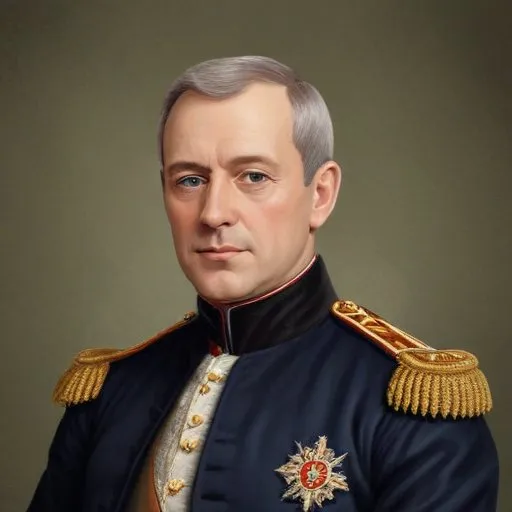
A 16th-century German nobleman who ruled Hesse-Kassel and played a significant role in the Protestant Reformation, known for his military campaigns and territorial expansions.
William V, Landgrave of Hesse-Kassel, is remembered as a resilient leader who navigated the treacherous landscape of the Thirty Years War, fighting to protect his territory and people from the ravages of conflict. As a member of the House of Hesse, he ruled over Hesse-Kassel from 1627 to 1637, leaving an indelible mark on the region's history.
Born on February 13, 1602, in Kassel, William was the son of Landgrave Maurice of Hesse-Kassel and his consort Agnes of Solms-Laubach. Following his mother's death shortly after his birth, his father married Countess Juliane of Nassau-Siegen. William's father, Maurice, was a man of broad education and interests, who inherited half of the estates held by the extinct landgraves of Hesse-Marburg in 1604.
When Maurice converted to Calvinism in 1605, he sparked a protracted legal dispute with his Lutheran cousin Landgrave Louis V of Hesse-Darmstadt. The Aulic Council ultimately ruled in favor of Louis, leading to Maurice's abdication in 1627. William inherited a landgraviate in financial ruin, with significant losses of territory and wealth.
Undaunted, William set out to stabilize the economic situation and reduce the debt burden. He fought against the Kipper und Wipper debasement crisis, a catastrophic financial crisis that threatened the very fabric of the region's economy. His efforts to reform the currency and restore stability earned him recognition as a shrewd and capable leader.
In the midst of the Thirty Years War, William formed a crucial alliance with his relative King Gustavus Adolphus of Sweden, whose army disembarked in Pomerania in 1630. As a skilled commander, William drove out the Imperial troops under Aldringen and Fugger from Hesse, securing a series of important victories.
The Protestant victory at the 1631 Battle of Breitenfeld marked a turning point in the war, and King Gustavus Adolphus ceded William the abbeys of Hersfeld and Corvey, as well as the prince-bishoprics of Paderborn and Münster. William occupied Hersfeld and the Mainz estate of Fritzlar, expanding his territory and influence.
William V, Landgrave of Hesse-Kassel, left an indelible mark on the region's history, fighting against overwhelming odds to protect his people and territory. His financial reforms, military conquests, and strategic alliances cemented his place as a leader of vision and courage.
Through his tumultuous reign, William demonstrated an unwavering commitment to his people and his land, inspiring generations to come. His legacy serves as a testament to the power of resilience and determination in the face of overwhelming adversity.
William V, Landgrave of Hesse-Kassel, will be remembered as a hero of his time, who fought against the tide of history to protect and serve his people.
Born in 1536
A German noblewoman who played a significant role in the politics of 15th-century Europe, particularly in the Holy Roman Empire, through her strategic marriages and family alliances.
