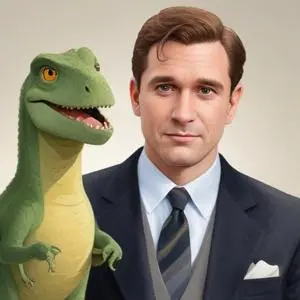
Willis H. OBrien: The Pioneering Special Effects Artist Behind Cinema's Most Iconic Moments
A Legacy in Stop-Motion Animation and Visual Effects
Willis H. OBrien, affectionately known as "Obie," was a trailblazing American motion picture special effects artist and stop-motion animation pioneer. He is best remembered for his groundbreaking work on cinematic classics such as
The Lost World (1925),
King Kong (1933),
The Last Days of Pompeii (1935), and
Mighty Joe Young (1949), for which he won the 1950 Academy Award for Best Visual Effects.
Early Life and Inspirations
Born on March 2, 1886, in Oakland, California, OBrien's adventurous spirit was evident from a young age. He left home at eleven to work on cattle ranches and later took on various jobs, including farmhand, factory worker, fur trapper, cowboy, and bartender. During this time, he developed a fascination with dinosaurs while working as a guide to paleontologists in the Crater Lake region.
The Path to Cinematic Innovation
OBrien's artistic talents led him to become a draftsman in an architect's office and later a sports cartoonist for the San Francisco Daily News. He also had a brief stint as a professional boxer, winning his first nine bouts before retiring. His experience as a surveyor for the railroad and as a professional marble sculptor further honed his skills. In 1915, he worked as an assistant to the head architect of the San Francisco World's Fair, where some of his work was showcased.
Enter the World of Stop-Motion Animation
It was during this time that OBrien created models, including a dinosaur and a caveman, which he animated with the help of a local newsreel cameraman. San Francisco exhibitor Herman Wobber was impressed by this 90-second test footage and commissioned OBrien to create his first film,
The Dinosaur and the Missing Link: A Prehistoric Tragedy (1915), with a budget of $5,000.
Thomas Edison was equally impressed, and OBrien was subsequently hired by the Edison Company to animate a series of short films with a prehistoric theme.
Awards and Accolades
OBrien's work on
Mighty Joe Young (1949) earned him the 1950 Academy Award for Best Visual Effects, cementing his status as a pioneer in the field. His contributions to the world of special effects and stop-motion animation continue to inspire generations of filmmakers and artists.
Legacy and Impact on Modern Cinema
OBrien's innovative techniques and groundbreaking work have left an indelible mark on the film industry. His influence can be seen in the work of later stop-motion animators, such as
Ray Harryhausen, and continues to inspire contemporary filmmakers and visual effects artists. ASIFA-Hollywood has recognized OBrien's contributions, stating that he was responsible for some of the most iconic images in cinema history.
Personal Milestones and Key Life Events
- Born on March 2, 1886, in Oakland, California
- Left home at eleven to work on cattle ranches
- Worked as a guide to paleontologists in the Crater Lake region
- Became a professional boxer, winning his first nine bouts
- Worked as an assistant to the head architect of the 1915 San Francisco World's Fair
- Created his first film, The Dinosaur and the Missing Link: A Prehistoric Tragedy, in 1915
- Hired by the Edison Company to animate a series of short films with a prehistoric theme
- Won the 1950 Academy Award for Best Visual Effects for Mighty Joe Young
Willis H. OBrien's remarkable life and career serve as a testament to the power of innovation, creativity, and perseverance. His contributions to the world of cinema continue to inspire and delight audiences to this day.
FAQ
What was Willis OBriens role in the development of stop-motion animation?
Willis OBrien was a pioneering animator and director who made significant contributions to the development of stop-motion animation. He is best known for his work on the classic film King Kong, which showcased his innovative techniques.
What were Willis OBriens influences on animation?
Willis OBriens influences on animation were far-reaching, as he inspired a generation of animators and filmmakers. His work in stop-motion animation paved the way for future innovators like Ray Harryhausen and Jim Henson.
How did Willis OBriens experience as a cartoonist inform his animation work?
Willis OBriens experience as a cartoonist gave him a strong foundation in drawing and storytelling, which he later applied to his work in animation. His background in illustration helped him to develop the visual style that characterized his films.
What were Willis OBriens contributions to the film industry?
Willis OBriens contributions to the film industry were significant, as he helped to shape the development of special effects and animation. His work on King Kong and other films raised the bar for visual storytelling and paved the way for future innovations.
What is Willis OBriens legacy in animation history?
Willis OBriens legacy in animation history is secure, as he is remembered as one of the pioneers of stop-motion animation. His innovative techniques and creative vision continue to inspire animators and filmmakers today, and his work remains a testament to the power of imagination and creativity.