


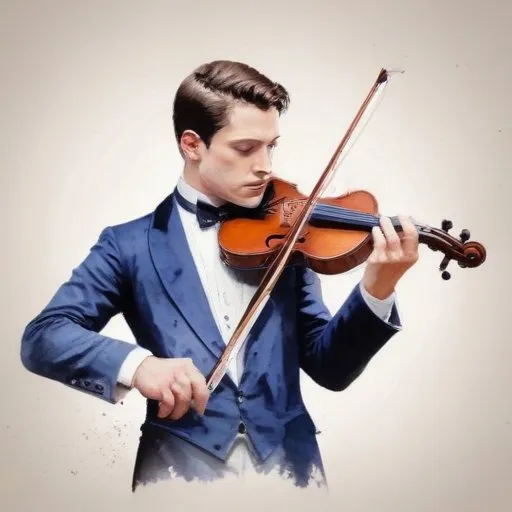
A renowned violinist and educator, he was a pioneer in promoting African-American music and culture, and is credited with developing the first degree-granting jazz program at a major American university.
Willis Laurence James was a renowned American musician, composer, and educator who left an indelible mark on the music world. Known for his remarkable talent as a concert violinist and his dedication to preserving African-American folklore, James was a trailblazer in his field.
James was born on September 18, 1900, in Montgomery, Alabama, and raised in Pensacola and Jacksonville, Florida. He received his early music education at the Florida Baptist Academy in Jacksonville, where he studied violin with Sidney Woodward. Recognizing James' exceptional talent, Woodward took him under his wing and introduced him to Kemper Harreld, a concert violinist and head of the Morehouse College music department.
James' passion for folklore and folksongs led to the release of a record by the Paramount Record Company of Chicago in 1927. On this record, he sang folksongs and transcribed the music and texts with James Edward Halligan. This work showcased his commitment to preserving African-American cultural heritage.
In 1928, James married Theodora Joanna Fisher, a fellow teacher at Leland College. This union marked the beginning of a lifelong partnership that supported his musical endeavors.
Willis Laurence James' contributions to music education and folklore preservation have had a lasting impact on American cultural heritage. His dedication to promoting African-American music and culture has inspired generations of musicians, educators, and enthusiasts.
Today, James' legacy continues to inspire new generations of musicians and scholars. His work serves as a testament to the power of music to bring people together and celebrate our shared humanity.
Born in 1899
A legendary jazz pianist, composer, and bandleader who revolutionized the genre with his unique style and iconic compositions, such as "Take the A Train" and "Mood Indigo".
Born in 1904
A legendary jazz pianist and bandleader who led a iconic orchestra, blending swing and blues to create a unique sound that influenced generations of musicians. Known for his distinctive "less-is-more" style and hits like "April in Paris" and "One O'Clock Jump".
Born in 1902
A renowned poet, novelist, and playwright who powerfully voiced the experiences and struggles of African Americans during the Harlem Renaissance, using jazz and blues rhythms to convey the spirit of his people.
Born in 1891
A celebrated author and anthropologist who explored African-American culture through novels, stories, and folklore, particularly in the rural South during the early 20th century.
Born in 1887
A renowned pianist and composer, he was a leading figure in the development of ragtime music, creating iconic songs like "Memories of You" and "I'm Just Wild About Harry".
Born in 1894
A powerful blues singer known for her soulful, raspy voice and emotive performances, often referred to as "The Empress of the Blues".
Born in 1896
A trailblazing jazz and blues singer, actress, and Broadway performer who broke racial barriers in the entertainment industry with her smooth, sultry voice and captivating stage presence.
Born in 1897
A pioneering figure in early jazz, leading a renowned orchestra and composing innovative arrangements that influenced generations of musicians.
