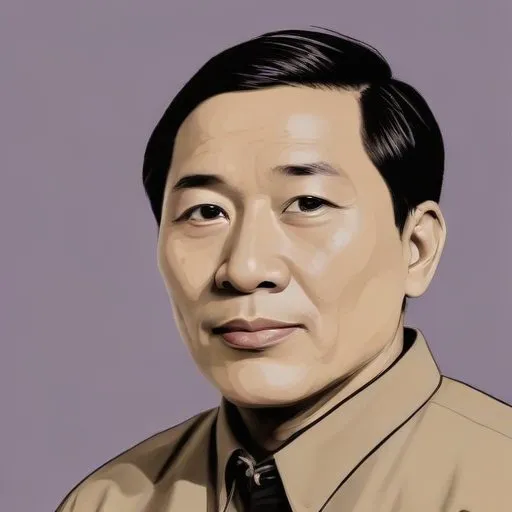
Wuerkaixi: The Tiananmen Square Protestor Who Became a Symbol of Defiance
The Man Who Confronted a Tank
Wuerkaixi, also known as Wuer Kaixi, is a Chinese dissident and democracy activist who rose to international fame for his courageous act of defiance during the Tiananmen Square protests of 1989. He is best known for being the young man who stood in front of a column of tanks on June 5, 1989, temporarily halting their advance, in an iconic and powerful symbol of resistance against the Chinese government's brutal crackdown on the protests.
A Life of Activism
Born on November 17, 1968, in Taiwan, Wuerkaixi was a student at the Beijing Normal University when the Tiananmen Square protests began. As one of the leaders of the student movement, he was instrumental in organizing the protests and mobilizing the masses. His charismatic leadership and eloquent speeches made him a prominent figure in the movement.
The Tank Man Incident
The Tank Man incident, as it came to be known, was a turning point in Wuerkaixi's life. After the Chinese government declared martial law and sent troops to quell the protests, Wuerkaixi stood alone in front of a column of tanks, blocking their path and momentarily stopping their advance. The image of the solitary figure facing down the tanks was broadcast around the world, making Wuerkaixi an instant symbol of resistance against oppression.
Exile and Continued Activism
After the protests were violently suppressed, Wuerkaixi was forced into exile, fleeing to Taiwan and later to the United States. Undeterred, he continued to advocate for democracy and human rights in China, speaking at rallies and conferences, and meeting with world leaders to raise awareness about the Chinese government's human rights abuses.
Influence on Modern Society
Wuerkaixi's bravery and defiance have inspired generations of activists and human rights advocates around the world. He has been recognized for his contributions to the democracy movement, including being awarded the Thorolf Rafto Memorial Prize in 1989.
Personal Milestones and Key Life Events
- 1968: Born on November 17th in Taiwan
- 1989: Leads the Tiananmen Square protests and becomes the face of the democracy movement
- 1989: Flees to Taiwan after the protests are suppressed
- 1990s: Continues to advocate for democracy and human rights in exile
- 2000s: Becomes a prominent speaker and commentator on Chinese politics and human rights
Legacy and Impact
Wuerkaixi's actions on that fateful day in June 1989 cemented his place in history as a champion of freedom and democracy. His courage in the face of overwhelming adversity has inspired countless individuals to stand up for their rights and challenge oppressive regimes. As a symbol of resistance, Wuerkaixi's legacy continues to inspire and motivate people around the world.
FAQ
Who is Wuerkaixi?
Wuerkaixi is a Chinese journalist, activist, and politician who is best known for his role in the 1989 Tiananmen Square protests.
What is Wuerkaixis role in the Tiananmen Square protests?
Wuerkaixi was a key figure in the Tiananmen Square protests, helping to organize and lead the demonstrations, and becoming a symbol of the movement.
What happened to Wuerkaixi after the Tiananmen Square protests?
After the protests, Wuerkaixi was arrested and imprisoned for several years. He was later released and went into exile in Taiwan, where he continues to advocate for democracy and human rights in China.
What is Wuerkaixis stance on democracy and human rights?
Wuerkaixi is a vocal advocate for democracy, human rights, and freedom of speech in China, and has spoken out against government censorship and repression.
What is Wuerkaixis legacy in Chinese politics?
Wuerkaixis legacy in Chinese politics is one of bravery, conviction, and dedication to the cause of democracy and human rights, inspiring a generation of activists and dissidents.