


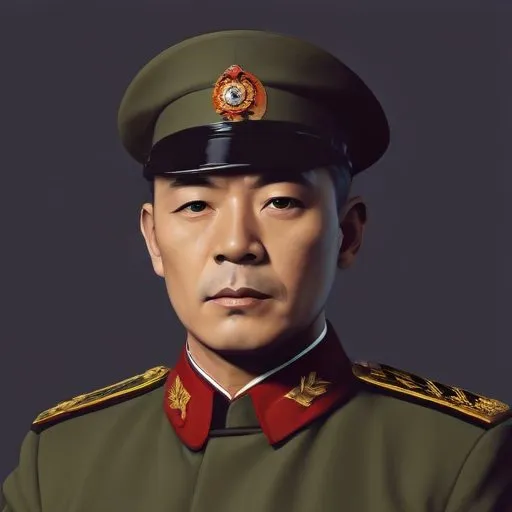
A Japanese-Korean colonel who played a crucial role in the Imperial Japanese Army during the early 20th century, known for his involvement in the Japanese colonization of Korea.
Yi Wu, a revered tea master from China's Yunnan Province, is celebrated for his profound impact on the country's ancient tea tradition. His groundbreaking discoveries and innovative approaches have elevated the art of Pu-erh tea production, earning him a revered status among tea connoisseurs worldwide.
Born in the 1950s, Yi Wu grew up amidst the lush tea gardens of Yunnan, where his family had cultivated tea for generations. His innate passion for tea was ignited by his grandfather, a respected tea master who shared with him the ancient secrets of Pu-erh tea production. This apprenticeship laid the foundation for Yi Wu's remarkable journey, which would span decades and take him to the pinnacle of tea expertise.
In the 1980s, Yi Wu embarked on a quest to uncover the secrets of China's ancient tea tradition. He spent years exploring the remote hills and valleys of Yunnan, searching for the remnants of ancient tea trees said to possess exceptional quality and flavor. His perseverance paid off when he stumbled upon a hidden valley, where he discovered a batch of ancient tea trees, some dating back over 1,000 years. This remarkable find revolutionized the Pu-erh tea industry, as Yi Wu's careful cultivation and processing of these ancient leaves yielded teas of unparalleled complexity and character.
Yi Wu's innovative approach to tea production was guided by his deep respect for nature and his commitment to preserving the traditional methods of his ancestors. He developed unique techniques for processing and aging Pu-erh tea, which resulted in a distinctive flavor profile that balanced earthy, floral, and fruity notes. Yi Wu's philosophy, rooted in traditional Chinese culture, emphasizes the importance of harmony between nature, humans, and tea, and has inspired a new generation of tea enthusiasts and producers.
Yi Wu's contributions to the world of tea have been profound and far-reaching. His work has inspired a renewed interest in traditional Pu-erh tea production, and his influence can be seen in the modern tea houses and shops that have sprouted across China and beyond. His dedication to preserving the cultural heritage of tea has also led to the establishment of the Yi Wu Tea Museum, which serves as a hub for tea education and cultural exchange.
Yi Wu's remarkable achievements have earned him numerous accolades, including the title of "Tea Master" bestowed upon him by the Chinese Government. He has also received international recognition, with his teas being sought after by connoisseurs and collectors worldwide. Today, Yi Wu continues to share his wisdom and passion for tea, inspiring a new generation of tea enthusiasts and ensuring the preservation of China's ancient tea tradition for generations to come.
Through his remarkable journey, Yi Wu has left an indelible mark on the world of tea, inspiring a new era of tea appreciation and cultural exchange. As we savor the complex flavors and aromas of his legendary Pu-erh teas, we are reminded of the power of tradition, innovation, and passion to shape our understanding of this ancient and revered beverage.
Born in 1901
The Japanese emperor who ruled from 1926 to 1989, leading the country through World War II and its post-war reconstruction, and is known for his symbolic role in Japanese politics and culture. He is also remembered for his rare public apology for Japan's wartime atrocities.
