


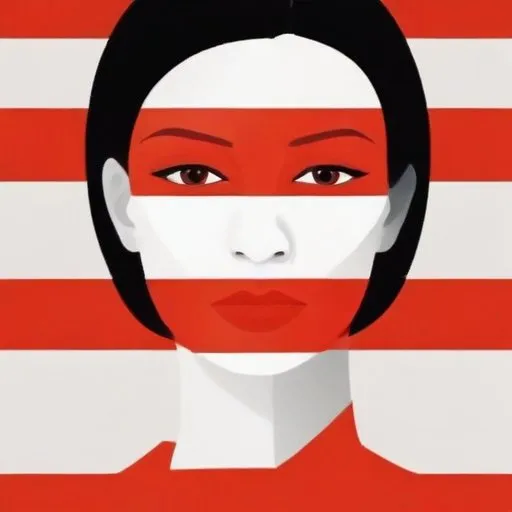
A Hungarian-Swiss novelist known for her dark, provocative, and psychologically complex fiction that explores themes of identity, morality, and the human condition. Her works often blur the lines between reality and fiction, creating a sense of unease and uncertainty in readers.
Ágota Kristóf, the Hungarian writer who defied borders and linguistic barriers, is best known for her haunting and poignant novel, The Notebook, which earned her the prestigious European prize, Prix Europe, in 1986. This acclaimed novel, translated into English in 1992, marked the beginning of The Notebook Trilogy, cementing Kristóf's position as a masterful storyteller.
Born on October 30, 1935, in Csikvánd, Hungary, Kristóf's early life was marked by turmoil. Her parents, Klmén Kristóf, an elementary school teacher, and Antónia Turcsányi, a professor of arts, instilled in her a love for literature and the arts. However, the Hungarian anti-communist revolution in 1956 forced Kristóf to flee her homeland at the tender age of 21, along with her husband, a former history teacher, and their four-month-old daughter. The family escaped to Neuchâtel, Switzerland, where Kristóf would eventually find solace in writing.
After five years of loneliness and exile, Kristóf made the bold decision to leave her factory job and her husband, marking a new chapter in her life. She began studying French, which would become the language of her literary expression. This turning point set her on a path to creative liberation, as she started writing novels, poetry, and plays in her adopted tongue.
Kristóf's first novel, The Notebook, appeared in 1986, followed by The Proof in 1988, and The Third Lie in 1991. This trilogy explores themes of war, love, loneliness, and the blurred lines between truth and fiction. Her writing is characterized by a unique blend of poetic intensity and narrative simplicity, which has captivated readers worldwide.
Kristóf's life was marked by personal struggles and triumphs. In her own words, "Two years in a USSR prison would have probably been better than five years in a factory in Switzerland." Her determination to overcome adversity is a testament to her unwavering spirit.
Ágota Kristóf's works have left an indelible mark on modern literature. Her unique perspective as an exile, her exploration of the human condition, and her innovative use of language have inspired generations of writers and readers alike.
Kristóf's remarkable life and literary achievements serve as a beacon of hope for those who have experienced displacement, hardship, and personal struggle. Her writing continues to captivate audiences, offering a poignant reminder of the transformative power of literature.
Born in 1901
A Hungarian dentist who wrote plays and books, known for his literary works that explored themes of social justice and morality. His writings often critiqued the social norms of his time.
Born in 1908
A Hungarian journalist, author, and screenwriter who wrote about mysticism, spirituality, and the supernatural, and is best known for her books on astrology and esotericism.
Born in 1912
A Hungarian literary mastermind, renowned for crafting socially conscious plays and novels that probed the human condition, often blending humor and satire to critique societal norms.
Born in 1917
A renowned Hungarian literary figure, celebrated for her poignant and introspective works that explore the human condition, particularly in the context of war and social change.
76 Years Old
A Hungarian writer and essayist, known for his unique blend of fiction and non-fiction, exploring themes of identity, history, and politics in his works. His writing often blends genres, creating a distinctive and thought-provoking style.
