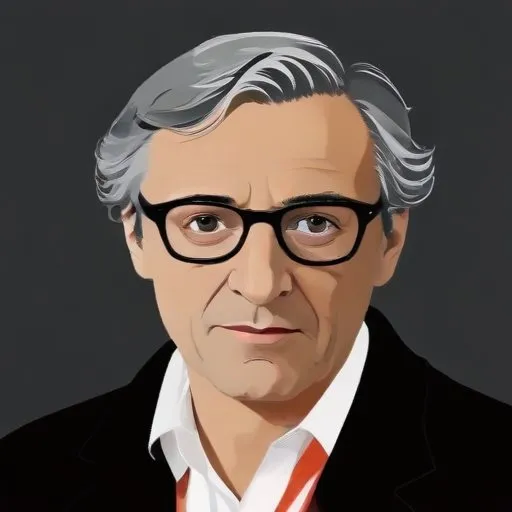
was born on November 9th, 1832

Full Name: Émile Gaboriau
Nationality: French
Profession: Author, Journalist
Place of Birth: Saumur, France
Notable Work: Monsieur Lecoq
Literary Genre: Detective fiction
Influence On: Sir Arthur Conan Doyle
Death Date: September 28, 1873

A pioneer of detective fiction, creating the character Monsieur Lecoq, a precursor to Sherlock Holmes, and influencing the genre's development.

Timeline
1832
Birth in Saujon
Émile Gaboriau was born on November 9th, 1832, in Saujon, France. He became a pioneering detective novelist.
1861
Publishes his first novel
Gaboriau published his first novel, LAffaire Lerouge, in 1861, which introduced the character of Monsieur Lecoq.
1866
Publishes Monsieur Lecoq
Gaboriau published Monsieur Lecoq, a novel that cemented his reputation as a master of detective fiction.
1873
Death in Paris
Émile Gaboriau died on September 28th, 1873, in Paris, leaving behind a legacy as one of the founders of the detective novel genre.
Ã?mile Gaboriau

Quiz

What is Émile Gaboriau's significant contribution to literature?

Score: 0/5
FAQ
What was Émile Gaboriaus contribution to detective fiction?
Émile Gaboriau is considered one of the pioneers of detective fiction. His novels, particularly LAffaire Lerouge, introduced the concept of a detective who uses scientific methods to solve crimes.
What was Émile Gaboriaus early life and career?
Émile Gaboriau was born in France and began his career as a journalist and writer. He wrote several novels and short stories before turning to detective fiction.
How did Émile Gaboriau influence Sir Arthur Conan Doyle?
Émile Gaboriaus work influenced Sir Arthur Conan Doyle, who is famous for creating Sherlock Holmes. Doyle often praised Gaboriaus work and credited him as an inspiration.
What were Émile Gaboriaus most famous works?
Émile Gaboriaus most famous works include LAffaire Lerouge, Monsieur Leco, and Le Dossier No. 113.
What was Émile Gaboriaus legacy in literature?
Émile Gaboriaus legacy in literature is as a pioneer of detective fiction. He introduced many of the concepts and tropes that are still used in detective fiction today, and his work continues to be celebrated and studied.

Related People:

Born in 1840

A pioneering figure in naturalist literature, known for his influential novels that exposed social ills and championed reform, such as "Germinal" and "Nana".

Gustave Flaubert

Born in 1821

A pioneering realist novelist who crafted meticulous, psychologically nuanced portrayals of 19th-century French life, particularly in his iconic novel "Madame Bovary".

Honoré de Balzac

Born in 1799

A prolific writer who created a vast array of characters and stories that explored the human condition, particularly in the context of post-Napoleonic France. His works are considered a cornerstone of French literature.

Charles Dickens

Born in 1812

A renowned author of timeless classics, crafting vivid stories that exposed social injustices and explored the human condition, leaving an indelible mark on literature.

Victor Hugo

Born in 1802

Jules Verne

Born in 1828

A visionary writer who pioneered the science fiction genre, crafting timeless tales of adventure and exploration that continue to inspire generations.

Alexandre Dumas

Born in 1802

Wrote iconic adventure novels like "The Count of Monte Cristo" and "The Three Musketeers", creating unforgettable characters and stories that have stood the test of time.

Guy de Maupassant

Born in 1850

A 19th-century French literary mastermind who crafted hauntingly beautiful short stories and novels that probed the human psyche, often with a dark, ironic twist. His works remain widely read and adapted today.