


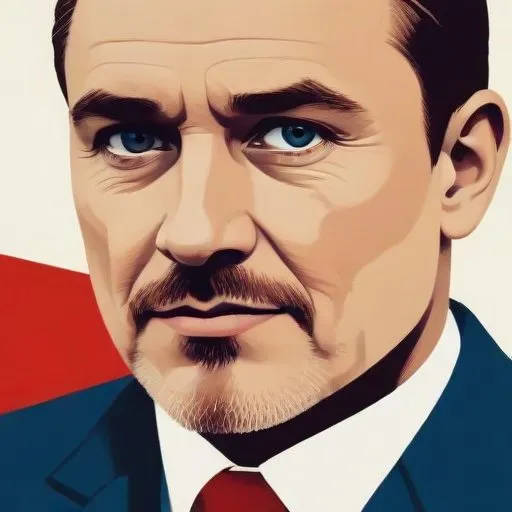
Iceland's second president, serving from 1952 to 1968, known for his efforts to modernize and strengthen the country's economy and infrastructure. He played a key role in shaping Iceland's post-war development.
Sgeir Sgeirsson, the second President of Iceland, served from 1952 to 1968 and left an indelible mark on the country's history. He was a renowned statesman, theologian, and Freemason, who worked tirelessly to promote Iceland's development and international cooperation.
Born on May 13, 1894, Sgeirsson was educated as a theologian and graduated with honors from the University of Iceland in Reykjavik in 1915. Although he was too young to be ordained as a minister, his academic achievements laid the foundation for his future success.
Sgeirsson's political career began in 1923 when he was elected to the Althing, Iceland's parliament, at the age of 29. He quickly rose through the ranks, becoming the speaker of the Althing in 1930 and Minister of Finance in 1931. In 1932, he took on the role of Prime Minister, a position he held until 1934.
In 1938, Sgeirsson became the director of tvegsbanki slands, an Icelandic bank that later merged with others to form Glitnir. His experience in finance and politics prepared him for the highest office in the land.
In 1952, Sgeirsson was elected the second President of Iceland in a closely contested election. He received 46.7% of the vote, defeating his main opponent, Bjarni Jnsson, and Gsli Sveinsson, a former MP. During his presidency, Sgeirsson worked to strengthen Iceland's international relationships, promote economic growth, and develop the country's infrastructure.
Sgeirsson was an active Freemason and served as the Grand Master of the Icelandic Order of Freemasons. In 1917, he married Dra rhallsdttir, daughter of the 6th Bishop of Iceland, and they had a close-knit family.
Sgeir Sgeirsson's presidency marked a significant era in Iceland's history, characterized by economic growth, modernization, and international cooperation. His commitment to education, finance, and social development has left a lasting impact on the country.
Sgeir Sgeirsson passed away on September 15, 1972, leaving behind a legacy of dedicated service to Iceland and its people. His contributions to the country's development, education, and international cooperation continue to inspire future generations of Icelanders.
Through his remarkable life and career, Sgeir Sgeirsson has cemented his place in Icelandic history as a visionary leader, devoted statesman, and champion of progress.
96 Years Old
Iceland's first female president, serving from 1980 to 1996, known for her progressive policies and women's rights advocacy. She was a pioneering figure in Icelandic politics and a role model for women worldwide.
78 Years Old
The 21st Prime Minister of Iceland, serving from 1991 to 2004, known for leading the country's economic transformation and EU membership negotiations. He's also a published author and poet.
75 Years Old
The 23rd Prime Minister of Iceland, a seasoned economist and journalist, led the country through a tumultuous period, including the 2008 financial crisis. He's known for his efforts to stabilize the economy and implement reforms.
79 Years Old
The 22nd Prime Minister of Iceland, serving from 2004 to 2006, known for his efforts to stabilize the country's economy and implement social reforms. He was also a prominent accountant and politician.
84 Years Old
The first openly LGBTQ+ head of government in the world, known for leading Iceland's recovery from a devastating financial crisis in the late 2000s.
