


The 1938 German parliamentary election and referendum was a pivotal moment in modern history, marking the culmination of Adolf Hitler's relentless pursuit of power and the near-unanimous approval of the German people. This event cemented the Nazi Party's grip on Germany, paving the way for further territorial expansion and a dark chapter in European history.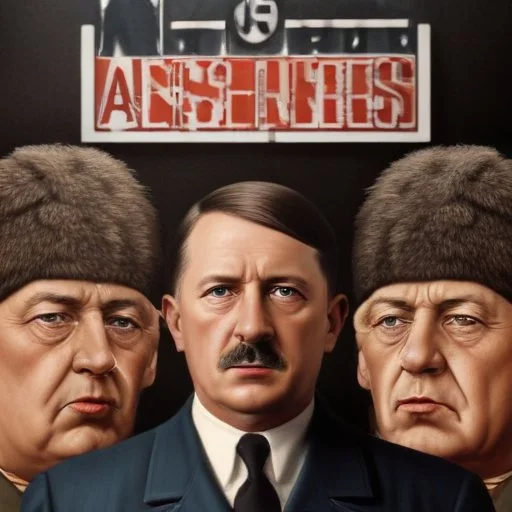
In the aftermath of World War I, Germany was plagued by economic instability, political turmoil, and widespread discontent. The Weimar Republic, established in 1919, struggled to maintain order, creating a power vacuum that the Nazi Party would eventually exploit. Hitler's charismatic leadership, nationalist rhetoric, and promises of economic revival resonated with a desperate German populace.
In the months leading up to the election, Hitler orchestrated a series of strategic moves, including:
The election and referendum took place on April 10, 1938, with an astonishing 99.5% of voters endorsing the Nazi Party's list of candidates. This overwhelming approval:
The 1938 election and referendum were influenced by a pervasive nationalist sentiment, which the Nazi Party expertly exploited. Hitler's rhetoric evoked a sense of German pride, unity, and destiny, resonating with a population eager for a strong leader and economic revival.
The election and referendum were marked by widespread manipulation, with the Nazi Party employing propaganda, intimidation, and vote-rigging to secure a favorable outcome. Critics argue that the results were far from legitimate, with many voters coerced or deceived into supporting the Nazi regime.
The 1938 German parliamentary election and referendum set a precedent for totalitarian rule, foreshadowing the horrors of World War II and the Holocaust. This dark chapter in European history serves as a cautionary tale, highlighting the dangers of unchecked nationalism and the importance of protecting democratic values.
As the Nazi Party consolidated its grip on Germany, the 1938 parliamentary election and referendum marked a critical turning point in the country's descent into totalitarianism. The election was preceded by a series of strategic moves, including the Anschluss with Austria, which effectively expanded the Nazi regime's territory and bolstered its legitimacy. Hitler's charismatic leadership and nationalist rhetoric resonated with a desperate German populace, weary of economic instability and political turmoil.
The election campaign was characterized by widespread propaganda, intimidation, and vote-rigging, as the Nazi Party sought to eliminate any opposition to their rule. Despite these tactics, the election results were staggering, with 99.5% of voters endorsing the Nazi Party's list of candidates. This resounding victory legitimized the Nazi regime, granting Hitler unprecedented authority and cementing the party's grip on power.
Hitler's MasterstrokeThe 1938 election and referendum were a testament to Hitler's strategic genius and political cunning. By capitalizing on the widespread discontent and nationalist sentiment, Hitler was able to manipulate the German people into endorsing his regime. The election results sent a chilling message to European leaders, foreshadowing the aggressive expansion of the Nazi empire.

Joseph Goebbels: The Propaganda Mastermind
As Hitler's trusted propaganda minister, Joseph Goebbels played a crucial role in shaping public opinion and legitimizing the Nazi regime. Goebbels was a master of manipulation, using his exceptional oratory skills and propaganda machinery to sway public opinion in favor of the Nazi Party.
Goebbels' propaganda campaign was highly sophisticated, employing a range of tactics to discredit opposition parties and promote the Nazi Party's ideology. He skillfully exploited nationalist sentiment, using patriotic rhetoric to mobilize the German people behind the Nazi regime.
Goebbels' LegacyGoebbels' propaganda machinery was instrumental in securing the Nazi Party's grip on power, and his legacy continues to serve as a cautionary tale about the dangers of manipulation and propaganda.
The 1938 German parliamentary election and referendum marked a significant departure from democratic norms, with the Nazi Party employing tactics reminiscent of authoritarian regimes. This shift towards totalitarianism was not unique to Germany, as other European countries, such as Italy and Spain, were also experiencing a rise in fascist ideologies.
In contrast, countries like the United Kingdom and France were maintaining their democratic systems, albeit with some limitations. The 1938 election and referendum thus highlighted the stark ideological divide between fascist and democratic nations, foreshadowing the conflicts of World War II.
Comparing RegimesA comparative analysis of the 1938 election and referendum reveals the distinct characteristics of fascist regimes, including the suppression of opposition parties, the manipulation of public opinion, and the concentration of power in the hands of the ruler.
The Nazi regime's tactics were particularly egregious, as evidenced by the widespread propaganda, intimidation, and vote-rigging that characterized the election campaign. This authoritarian approach starkly contrasted with the democratic systems of other European nations, underscoring the profound implications of the 1938 election and referendum.
The 1938 German parliamentary election and referendum had a profound impact on German culture, as the Nazi Party's nationalist ideology permeated every aspect of society. The regime's emphasis on German pride, unity, and destiny resonated with a population eager for a strong leader and economic revival.
The election and referendum marked a shift towards a more militarized and authoritarian society, as the Nazi Party sought to eliminate any perceived threats to their rule. This cultural shift was accompanied by a decline in intellectual and artistic freedom, as the regime sought to promote a narrow, nationalistic agenda.
Artistic SuppressionThe Nazi regime's cultural impact was particularly pronounced in the realm of art, as the regime sought to promote a sanitized, propaganda-driven aesthetic. Artists and intellectuals who refused to conform to the regime's ideology faced persecution, censorship, and even imprisonment.
The 1938 election and referendum thus marked a dark chapter in German cultural history, as the Nazi regime's totalitarian grip stifled creativity, free expression, and intellectual inquiry.
The 1938 German parliamentary election and referendum marked a critical juncture in the political trajectory of the Nazi Party, as Hitler consolidated his power and legitimized his regime. The election results sent a powerful message to European leaders, foreshadowing the aggressive expansion of the Nazi empire.
The Nazi Party's consolidation of power was facilitated by the Enabling Act, which granted Hitler emergency powers and effectively abolished opposition parties. This concentration of power enabled the regime to pursue its agenda with impunity, paving the way for further territorial expansion and aggression.
Hitler's Power PlayHitler's strategic genius and political cunning were instrumental in securing the Nazi Party's grip on power. By capitalizing on the widespread discontent and nationalist sentiment, Hitler was able to manipulate the German people into endorsing his regime.
The 1938 election and referendum thus highlighted the dangers of unchecked power and the importance of protecting democratic values in the face of authoritarianism.