Deadliest earthquake in Armenian history
The Armenian earthquake of 1988 was a devastating seismic disaster that left the northern part of the country in ruins. On that fateful day, a massive 6.8 magnitude earthquake struck, unleashing unprecedented destruction and chaos. The cities of Spitak, Leninakan, and Kirovakan were among the worst affected, with entire neighborhoods reduced to rubble. The quake's ferocity was matched only by the ensuing panic and desperation, as rescue teams struggled to reach trapped survivors amidst the rubble. In the aftermath, the scale of the tragedy became clear: upwards of 25,000 lives lost, and a staggering 130,000 injured. The Armenian earthquake of 1988 would go down in history as one of the deadliest natural disasters of the 20th century.
The 1988 Armenian Earthquake: A Devastating Seismic Disaster
A Catastrophic Event in Modern History
The 1988 Armenian earthquake is remembered as one of the most devastating natural disasters of the 20th century, leaving an indelible mark on the country's northern region. This cataclysmic event claimed the lives of 25,000 to 50,000 people and injured a staggering 31,000 to 130,000, making it one of the deadliest earthquakes in modern history.
Seismic Characteristics
The earthquake, measuring 6.8 on the Ms scale, struck on December 7, 1988, at 11:41 a.m. local time. Its epicenter was located near the town of Spitak, with a maximum MSK intensity of X, indicating an extreme level of destruction. The quake's shallow focal depth of approximately 10 km (6.2 miles) exacerbated the destruction, causing widespread chaos and panic.
Timeline of Destruction
- 11:41 a.m. - The earthquake strikes, causing widespread destruction and panic.
- 11:45 a.m. - The first rescue teams arrive at the scene, only to be hampered by the scale of the disaster.
- December 8, 1988 - International aid begins pouring in, with teams from over 100 countries providing support.
- December 11, 1988 - The Soviet government declares the affected areas a "zone of ecological disaster."
Humanitarian Crisis
The earthquake left hundreds of thousands of people homeless, with entire neighborhoods reduced to rubble. The cities of Spitak, Leninakan, and Kirovakan were among the worst affected, with rescue teams struggling to reach trapped survivors amidst the debris. The disaster exposed the country's inadequate infrastructure, with poorly constructed buildings and a lack of emergency services exacerbating the crisis.
International Response
The Armenian earthquake of 1988 sparked an unprecedented international response, with aid pouring in from around the world. The Soviet government, led by
Mikhail Gorbachev, mobilized a massive relief effort, involving troops, medical personnel, and supplies. The global community rallied behind the Armenian people, with countries like the United States, France, and the United Kingdom providing significant support.
Long-Term Impact
The 1988 Armenian earthquake had a profound impact on the country's development, leading to a significant overhaul of its building codes and emergency response infrastructure. The disaster also accelerated the country's transition to independence, with the subsequent collapse of the Soviet Union in 1991. Today, the Armenian people continue to rebuild and recover, with the memory of the devastating earthquake serving as a poignant reminder of the importance of disaster preparedness and humanitarian cooperation.
Quotes and Reflections
"The earthquake was like a war, but without the warning of war. It was a tragedy that caught us by surprise." - Levon Ter-Petrosyan, Armenian President (1991-1998)
"We will rebuild, we will recover, and we will emerge stronger than ever." - Mikhail Gorbachev, Soviet General Secretary (1985-1991)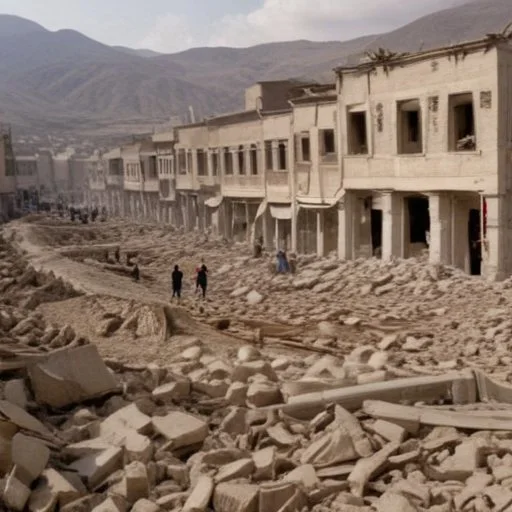
Predictions and Speculations
In the aftermath of the disaster, seismologists warned of the possibility of future earthquakes in the region, highlighting the need for continued investment in disaster preparedness and mitigation. As the region remains seismically active, the 1988 Armenian earthquake serves as a stark reminder of the importance of preparedness and international cooperation in the face of natural disasters.
Study of Economic Impact
Economic Impact of the Earthquake
The Armenian earthquake of 1988 had a devastating impact on the country's economy. The estimated economic loss was around 8 billion rubles, which is equivalent to approximately 15 billion USD in today's terms. The earthquake damaged or destroyed nearly 40% of the country's industrial capacity, leading to a significant decline in industrial production.
The agricultural sector was also severely affected, with many farms and livestock destroyed or damaged. The country's infrastructure, including roads, bridges, and communication networks, was heavily damaged, disrupting trade and commerce.
The earthquake also had a significant impact on the country's energy sector, with many power plants and transmission lines damaged or destroyed. The country had to rely on imported energy sources, leading to a significant increase in energy costs.

Rich Character Description
Mikhail Gorbachev: A Leader in Crisis
Mikhail Gorbachev, the Soviet General Secretary at the time of the earthquake, played a crucial role in coordinating the relief efforts. His leadership and swift response helped to mitigate the disaster's impact and earned him international praise.
Gorbachev's decision to open up the country to international aid and assistance was a significant departure from the Soviet Union's usual stance of self-sufficiency. This move not only helped to save lives but also marked a shift towards greater global cooperation and transparency.
Under Gorbachev's leadership, the Soviet government mobilized a massive relief effort, involving troops, medical personnel, and supplies. The General Secretary's personal involvement in the relief efforts helped to boost morale and confidence among the affected population.
Historiographical Review
Historiographical Perspectives on the Earthquake
The Armenian earthquake of 1988 has been viewed by many historians as a turning point in the country's modern history. The disaster highlighted the need for greater transparency and accountability in the Soviet system, paving the way for glasnost and perestroika reforms.
Historians have also emphasized the significance of the earthquake in exposing the weaknesses of the Soviet Union's infrastructure and emergency response systems. The disaster led to a major overhaul of the country's building codes and disaster preparedness measures.
The earthquake has also been seen as a catalyst for Armenia's move towards independence, with many viewing the disaster as a symbol of the Soviet Union's inability to protect its citizens.
Geopolitical Overview
Geopolitical Context of the Earthquake
The Armenian earthquake of 1988 occurred at a time of significant geopolitical shift. The Soviet Union was facing internal and external pressures, and the disaster added to the sense of uncertainty and crisis.
The earthquake also had implications for the regional balance of power, with Turkey and Iran offering aid and assistance to the affected areas. This marked a rare moment of cooperation between these regional rivals.
The international response to the earthquake highlighted the changing global landscape, with the United States and other Western countries providing significant aid and assistance to the Soviet Union.
In-Depth Cultural Influence Study
Cultural Impact of the Earthquake
The Armenian earthquake of 1988 had a profound impact on the country's cultural landscape. The disaster led to a renewed sense of national identity and solidarity, as Armenians from around the world came together to support the relief efforts.
The earthquake also led to a resurgence of interest in Armenian culture and heritage, as the international community learned more about the country and its rich history.
The disaster also had a significant impact on the country's artistic community, with many writers, musicians, and artists responding to the tragedy through their work.


