


On January 1, 1801, the Kingdom of Great Britain and the Kingdom of Ireland merged to form the United Kingdom of Great Britain and Ireland, marking a pivotal moment in history. This monumental union was made possible by the Acts of Union 1800, a landmark legislation that abolished the Irish parliament and reshaped the political landscape of the British Isles.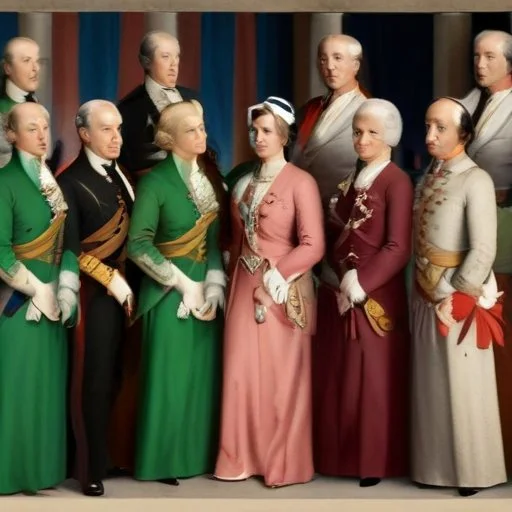
In the late 18th century, the British Isles were plagued by sectarian divisions, economic instability, and the threat of French invasion. Against this backdrop, the British government sought to strengthen its ties with Ireland, which had long been a thorn in its side. The Irish Rebellion of 1798, which aimed to establish an independent Irish republic, was brutally suppressed, and the British government saw an opportunity to pacify the island by offering a union.
The Acts of Union 1800 were driven by a cast of influential figures, including:
The journey to union was marked by intense negotiations and diplomatic maneuvering. In 1799, Lord Castlereagh presented a draft union bill to the Irish parliament, which was met with fierce resistance from Irish nationalists and patriots. However, through a combination of bribery, coercion, and persuasion, the British government eventually secured the necessary support to pass the Acts of Union 1800.
The Acts of Union 1800 had far-reaching consequences, including:
The Acts of Union 1800 had a profound impact on Irish culture and society, as the union:
The Acts of Union 1800 were deeply controversial and sparked fierce debate and opposition. Many Irish nationalists saw the union as a betrayal of Irish sovereignty and an affront to Irish nationalism, while others viewed it as a necessary evil to secure peace and stability. The union also sparked controversy in Britain, as some saw it as an attempt to further consolidate power and undermine local autonomy.
The Acts of Union 1800 left an indelible mark on the course of Irish and British history. The union lasted for over a century, until the Anglo-Irish Treaty of 1921, which established the Irish Free State and paved the way for Irish independence. Today, the Acts of Union 1800 remain a symbol of the complex and contested history of the British Isles, serving as a powerful reminder of the enduring power of politics, identity, and nationhood.
The Acts of Union 1800 have been subject to varying interpretations by historians over the years. Some have viewed the union as a necessary step towards modernization and progress, while others have seen it as a forced annexation of Ireland by Britain. More recently, historians have highlighted the role of coercion and bribery in securing the union, challenging the traditional narrative of a voluntary union.
Another area of debate has been the impact of the union on Irish identity and culture. While some have argued that the union led to the erosion of Irish national identity, others have pointed to the emergence of a new Anglo-Irish elite as a result of the union.
Lord Castlereagh was a key figure in the negotiations leading up to the Acts of Union 1800. As the Chief Secretary for Ireland, he played a crucial role in persuading Irish parliamentarians to support the union. However, his methods were often controversial, involving bribery and coercion to secure votes.
Despite his reputation as a skilled diplomat, Castlereagh's role in the union has been criticized by many historians. Some have seen him as a ruthless operator who was willing to do whatever it took to achieve his goals, while others have viewed him as a pragmatic politician who was forced to make difficult decisions in a turbulent period.
The Acts of Union 1800 had a profound impact on Irish literature, leading to the emergence of a new Anglo-Irish literary tradition. Writers such as Maria Edgeworth and Lady Morgan drew on their experiences of life in Ireland to create a new kind of literature that was both Irish and British.
This new literary tradition was characterized by its use of Irish themes and settings, combined with a British sensibility. It marked a significant shift away from the traditional Irish literary forms of the past, and towards a more modern and cosmopolitan style.
The Acts of Union 1800 created a united market across the British Isles, facilitating the free movement of goods and capital between Britain and Ireland. This had a significant impact on the economies of both countries, leading to increased trade and investment.
The union also led to the abolition of tariffs and trade restrictions between Britain and Ireland, creating a more integrated and efficient economy. This had benefits for both countries, as it allowed for the exploitation of each other's resources and expertise.
The Acts of Union 1800 marked a significant consolidation of power in the British government. By abolishing the Irish parliament, the British government was able to exert greater control over Irish affairs, and to centralize decision-making in London.
This had important implications for the development of British politics, as it marked a shift towards a more centralized and authoritarian form of government. It also had significant implications for Irish politics, as it led to the suppression of Irish nationalism and the erosion of Irish autonomy.