


On November 21, 2000, the Peruvian Congress voted to remove Alberto Fujimori from office, citing "permanent moral incapacity" amidst allegations of corruption, human rights abuses, and electoral fraud. This dramatic turn of events marked the end of Fujimori's decade-long rule, which had been characterized by authoritarianism, nepotism, and a penchant for dramatic flourishes.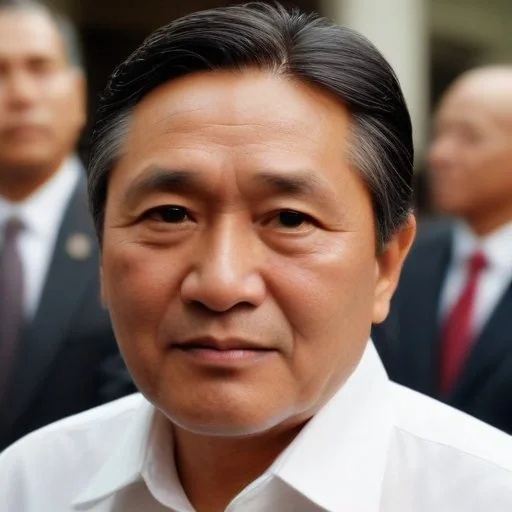
Fujimori, a Japanese-Peruvian agronomist, first burst onto the political scene in 1990, when he ran as a dark horse candidate in Peru's presidential election. His surprise victory was largely due to his outsider status and promise to tackle the country's crushing debt and hyperinflation. As president, Fujimori implemented a series of drastic economic reforms, which initially brought stability and growth, but eventually led to widespread poverty and discontent.
Fujimori's regime was marked by a growing disregard for human rights, the suppression of opposition voices, and rampant corruption. His government was accused of carrying out forced sterilizations, disappearances, and extrajudicial killings. Meanwhile, his National Intelligence Service (SIN) was embroiled in a web of corruption and bribery, with Fujimori's closest allies and family members implicated in various scandals.
The catalyst for Fujimori's downfall came in the form of a series of videotapes, leaked to the press in September 2000, which showed Vladimiro Montesinos, Fujimori's intelligence chief and closest advisor, bribing a congressman to switch sides. The tapes sparked widespread outrage and a congressional investigation, which led to Fujimori's eventual ouster.
In the wake of Fujimori's removal, Valentín Paniagua, the head of Congress, took over as interim president, tasked with stabilizing the country and paving the way for democratic elections. While Fujimori's legacy remains contentious, his departure marked a significant turning point in Peru's struggle for democracy and human rights.
Fujimori's removal had significant implications for Peru's political landscape, marking a shift towards greater transparency and accountability. The event also had far-reaching regional implications, as it sent a message to authoritarian leaders across Latin America that their actions would not go unchecked.
The aftermath of Fujimori's ouster saw a renewed focus on human rights, corruption, and democratic governance in Peru. While challenges persist, the country has made significant strides towards consolidating its democracy and ensuring the protection of human rights.
Alberto Fujimori's rise to power was marked by a series of events that showcased his cunning and strategic thinking. One such event was the 1992 autogolpe, where he dissolved Congress and assumed authoritarian powers. This move was widely criticized by the international community, but Fujimori remained unfazed, using the opportunity to consolidate his power and implement his economic reforms.
Fujimori's relationship with the military was a crucial factor in his ability to maintain control. He had established strong ties with the military during his campaign, promising to increase their budget and improve their living conditions. This alliance allowed him to quash any opposition and maintain his grip on power.
The impact of Fujimori's rule on Peru's economy was complex. While his initial economic reforms brought stability and growth, they ultimately led to widespread poverty and discontent. The country's infrastructure, however, did see significant improvements, with Fujimori investing heavily in road construction and public services.

Vladimiro Montesinos, Fujimori's intelligence chief and closest advisor, was a mastermind behind the scenes. A former army captain, Montesinos had a reputation for being ruthless and cunning, earning him the nickname "The Rasputin of Peru". He was instrumental in Fujimori's autogolpe, using his connections to manipulate the military and silence opposition voices.
Montesinos' influence extended far beyond the intelligence agency. He had a network of informants and spies across the country, allowing him to gather intelligence and suppress dissent. His corruption and bribery schemes were legendary, with many politicians and businessmen falling prey to his tactics.
Fujimori's removal from power marked a significant turning point in Peru's political landscape. The event sent a strong message to authoritarian leaders across Latin America, indicating that their actions would not go unchecked. It also paved the way for democratic reforms, with the country eventually adopting a new constitution and strengthening its institutions.
The impact of Fujimori's ouster was felt beyond Peru's borders. It inspired democratic movements across the region, with many countries taking steps to strengthen their democratic institutions and protect human rights. The event also led to increased cooperation and coordination among regional organizations, such as the Organization of American States.

Fujimori's regime had a profound impact on Peru's cultural landscape. His authoritarianism and corruption led to widespread disillusionment and apathy, with many Peruvians feeling disconnected from the political process. However, the event also sparked a cultural awakening, with many artists, writers, and musicians using their work to critique the regime and promote democratic values.
The international community played a significant role in shaping public opinion and influencing the outcome of the crisis. The media, in particular, played a crucial role in exposing Fujimori's corruption and human rights abuses, using the leaked videotapes to create a groundswell of public opposition.
Fujimori's economic reforms had a significant impact on Peru's economy. While they brought initial stability and growth, they ultimately led to widespread poverty and discontent. The country's infrastructure, however, did see significant improvements, with Fujimori investing heavily in road construction and public services.
The impact of Fujimori's ouster on the economy was complex. In the short term, it led to economic instability and a decline in investor confidence. However, in the long term, it paved the way for economic reforms and greater transparency, allowing Peru to attract foreign investment and promote sustainable growth.