


In the arid landscape of Somalia, a young man named Ali Maow Maalin unwittingly etched his name in the annals of history, forever changing the course of human health. On this day, Maalin's bout of smallpox marked the last naturally occurring case of the disease, crowning the World Health Organization's (WHO) and the Centers for Disease Control and Prevention's (CDC) concerted efforts to vanquish this ancient scourge.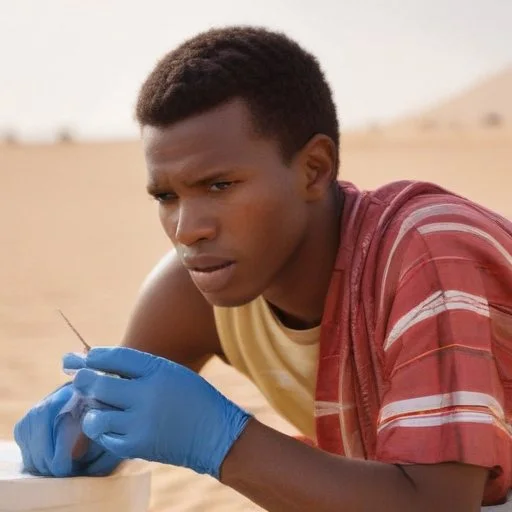
Smallpox, with its gruesome rash and high mortality rate, had ravaged humanity for centuries, leaving an indelible mark on civilizations. The disease had claimed an estimated 300-500 million lives in the 20th century alone, earning its reputation as one of the deadliest diseases in human history.
Ali Maow Maalin, a 26-year-old Somali cook, became an unlikely hero in the fight against smallpox. His diagnosis, on October 26, 1977, marked a pivotal moment in the global campaign to eradicate the disease. Maalin's case was swiftly reported to the WHO, kicking off a series of events that would ultimately lead to the disease's eradication.
The WHO and CDC launched an intensive vaccination campaign, mobilizing health workers, and dispatching vaccination teams to Somalia. The clock was ticking, as every passing day increased the risk of new infections and potential outbreaks. The teams worked tirelessly, navigating treacherous terrain and overcoming logistical challenges to reach remote villages and vaccination centers.
Maalin's diagnosis sparked a flurry of activity, as health workers frantically worked to contain the outbreak. Vaccination teams fanned out across Somalia, inoculating tens of thousands of people in a bid to create a "ring of immunity" around the infected area. The strategy proved effective, and the last naturally occurring case of smallpox was finally contained.
The eradication of smallpox marked a watershed moment in the history of public health. It demonstrated that concerted international effort, coupled with cutting-edge science and technology, could vanquish even the most formidable foes. The triumph paved the way for future vaccination campaigns, inspiring a new generation of health professionals to tackle other pressing global health challenges.
Ali Maow Maalin's unwitting role in history has left an enduring legacy of hope. His case serves as a poignant reminder of the power of collective action, and the boundless potential of humanity to overcome seemingly insurmountable challenges. As we commemorate this milestone, we honor the countless lives saved, and recommit ourselves to the noble pursuit of a healthier, safer world for all.
"Smallpox was a disease of the past, a relic of a former era. Its eradication stands as a testament to human ingenuity, perseverance, and the boundless potential of international cooperation."
— Dr. Donald A. Henderson, former Director-General of the World Health Organization
Ali Maow Maalin: The Unassuming Hero
A native of Somalia, Ali Maow Maalin was a 26-year-old cook working in the Merca district when he contracted smallpox. His diagnosis on October 26, 1977, marked a turning point in the global campaign to eradicate the disease. Despite his unwitting role in history, Maalin's actions during the outbreak were crucial in containing the spread of the disease. His cooperation with health workers and vaccination teams ensured that the necessary measures were taken to prevent further infections.

Smallpox Eradication: A Cost-Benefit Analysis
The global campaign to eradicate smallpox was a significant investment, with estimates suggesting that it cost around $300 million to achieve. However, this investment has yielded substantial returns, with the World Health Organization estimating that the eradication of smallpox has saved the global economy around $1.35 billion annually. Additionally, the vaccine campaign has also prevented millions of cases of smallpox, which would have resulted in significant healthcare costs and lost productivity.
The economic benefits of smallpox eradication extend beyond healthcare costs. The campaign has also led to increased economic productivity, improved healthcare infrastructure, and a reduction in the economic burden of infectious diseases.
Smallpox in Somali Culture
In Somalia, smallpox was deeply ingrained in the cultural and social fabric of the community. The disease was often associated with evil spirits and curses, leading to social stigma and ostracism of those infected. The eradication of smallpox has had a profound impact on Somali culture, allowing communities to overcome centuries of fear and misconception. The success of the vaccine campaign has also increased trust in modern medicine and has paved the way for improved healthcare outcomes in the region.
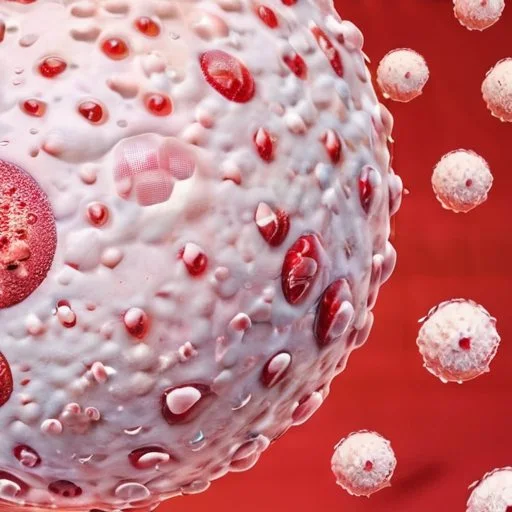
Vaccine Development: A Technological Breakthrough
The eradication of smallpox was made possible by significant advances in vaccine technology. The development of the freeze-dried vaccine, which could be transported and stored in remote areas without refrigeration, was a critical factor in the success of the vaccine campaign. Additionally, the use of jet injectors, which enabled health workers to vaccinate large numbers of people quickly and efficiently, was instrumental in containing outbreaks and preventing further infections.
The technological innovations that made the smallpox vaccine campaign possible have since been applied to other global health initiatives, including the development of vaccines for other infectious diseases.
The Cold War and Global Health Cooperation
The global campaign to eradicate smallpox was a rare instance of international cooperation during the Cold War era. The World Health Organization, led by Dr. Halfdan Mahler, worked closely with the Soviet Union, the United States, and other countries to achieve a common goal. The success of the campaign demonstrates that even in times of geopolitical tension, nations can come together to achieve a greater good. The eradication of smallpox serves as a powerful symbol of the potential for international cooperation to drive progress in global health.