


The Battle of Missionary Ridge is famously known for being a crucial Union victory that broke the Confederate siege of Chattanooga, Tennessee, during the American Civil War. This pivotal battle, fought on November 25, 1863, marked a significant turning point in the war, as it opened the door to the Deep South for the Union forces.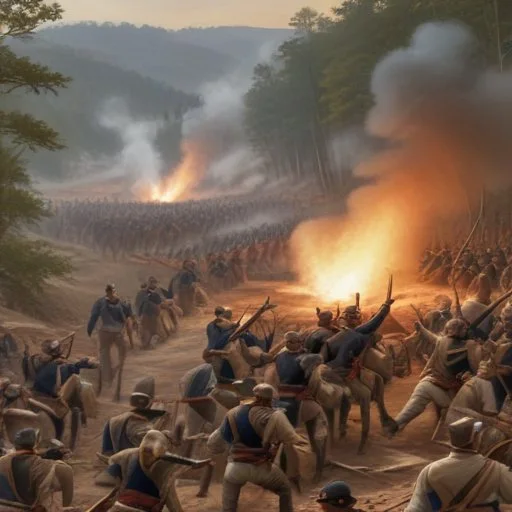
In the fall of 1863, the Confederacy, led by General Braxton Bragg, had Chattanooga, a strategic railroad hub, under siege. The Union forces, led by General Ulysses S. Grant, were determined to break the siege and secure this vital transportation route. Grant, who had recently been appointed as the commander of the Union's Military Division of the Mississippi, devised a bold plan to defeat Bragg's army and lift the siege.
The Battle of Missionary Ridge resulted in a crushing Union victory, with the Confederates suffering heavy casualties and retreating from Chattanooga. This victory had significant implications for the war, as it:
The Battle of Missionary Ridge had a profound impact on the morale of both the Union and Confederate armies. The victory boosted the confidence of the Union forces, while the defeat demoralized the Confederates. This battle also marked a shift in the war, as the Union began to gain momentum and push deeper into Confederate territory.
Grant's bold plan to attack the Confederate lines on Missionary Ridge was met with skepticism by some of his generals. However, Grant's confidence in his troops and his plan paid off, as they successfully routed the Confederate forces. One eyewitness account describes the moment when Grant's troops broke through the Confederate lines, stating, "The whole line of the enemy was in full flight, and our men were pursuing them with loud shouts and cheers."
The Battle of Missionary Ridge set the stage for the Atlanta Campaign, which would ultimately lead to the capture of Atlanta and a significant shift in the balance of power in the war. This battle also marked a turning point in Grant's career, as it solidified his reputation as a skilled and bold commander.
The Battle of Missionary Ridge remains one of the most significant battles of the American Civil War, marking a crucial turning point in the war and a testament to the bravery and determination of the Union forces led by General Ulysses S. Grant.
The Battle of Missionary Ridge was a testament to the Union's ability to adapt and innovate in the face of adversity. Despite being outnumbered, Grant's forces employed a novel tactic, using a series of feints and demonstrations to distract the Confederate forces while the main assault was launched on the northern end of the ridge. This clever maneuver allowed the Union troops to exploit a weakness in the Confederate lines, ultimately leading to a decisive victory.
Moreover, the battle showcased the Union's growing sophistication in combined arms warfare. Grant's forces effectively coordinated infantry, artillery, and cavalry units to achieve a breakthrough on the Confederate lines. This level of coordination and cooperation would become a hallmark of Union military strategy in the later stages of the war.
The innovative tactics employed at Missionary Ridge also reflected Grant's willingness to take calculated risks. By launching a frontal assault on a heavily fortified position, Grant was able to catch the Confederates off guard and capitalize on their momentary confusion. This boldness would become a defining characteristic of Grant's leadership style, as he continued to push the boundaries of conventional military thinking.

General George H. Thomas, known as "The Rock of Chickamauga," played a crucial role in the Battle of Missionary Ridge. Thomas's IV Corps formed the backbone of the Union army's assault, as they spearheaded the attack on the Confederate lines. His leadership and tactical acumen were instrumental in breaching the Confederate defenses and securing a decisive Union victory.
Thomas's performance at Missionary Ridge was all the more remarkable given the skepticism with which his plan was initially met. Grant and other senior Union commanders had doubted Thomas's ability to break through the Confederate lines, but Thomas's quiet confidence and determination ultimately won the day. His success at Missionary Ridge cemented his reputation as one of the most capable and reliable Union generals.
Despite his key role in the battle, Thomas's modest and unassuming nature meant that he rarely sought to draw attention to himself. Instead, he focused on the task at hand, working tirelessly to ensure the success of the Union army. This selflessness and dedication to duty earned Thomas the respect and admiration of his fellow soldiers, who came to regard him as a true hero of the war.
The Battle of Missionary Ridge had a profound impact on the cultural landscape of the American South. The Confederate defeat marked a turning point in the war, as the reality of defeat began to sink in across the region. This growing awareness of the Confederacy's vulnerability would have far-reaching consequences, eroding morale and undermining support for the war effort.
The battle also had significant implications for the relationship between the Confederate government and its people. As the war effort faltered, many Southerners began to question the wisdom of secession and the competence of their leaders. The loss of Chattanooga, a key transportation hub, further exacerbated these concerns, as the Confederacy's ability to supply and communicate with its armies began to deteriorate.
In the years that followed, the legacy of Missionary Ridge would be felt across the South. The battle became a powerful symbol of Confederate defeat, serving as a poignant reminder of the devastating consequences of secession and rebellion. As the region struggled to come to terms with its new reality, the memory of Missionary Ridge would linger, a haunting presence that would shape the course of Southern identity for generations to come.
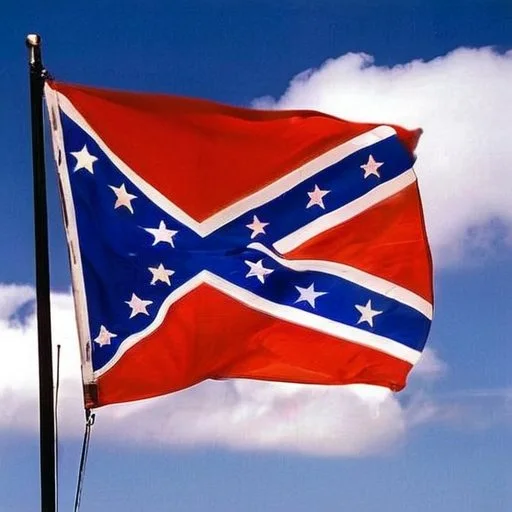
The Battle of Missionary Ridge was immortalized in a series of iconic photographs taken by Union photographer George N. Barnard. Barnard's images, captured in the aftermath of the battle, provide a haunting glimpse into the devastation and destruction wrought by the fighting. His photos of the Confederate earthworks, pockmarked with artillery shells and littered with the detritus of war, serve as a powerful testament to the ferocity of the battle.
One of Barnard's most famous images, "View on Missionary Ridge," captures the rugged terrain of the battlefield, with the Union army's artillery emplacements and supply wagons scattered across the landscape. The photo's eerie silence, devoid of any signs of human life, underscores the desolate and abandoned atmosphere that pervaded the battlefield in the aftermath of the fighting.
Beyond their aesthetic value, Barnard's photographs also hold significant historical importance. As some of the earliest war photographs ever taken, they provide a unique window into the experience of combat during the American Civil War. Barnard's images have been extensively studied by historians, who have used them to gain valuable insights into the tactics, strategies, and logistical challenges faced by the soldiers on both sides of the conflict.
The Battle of Missionary Ridge took place against the backdrop of a rapidly shifting geopolitical landscape. The Union victory at Chattanooga marked a significant turning point in the war, as the Confederacy's grip on the Border States began to slip. The fall of Chattanooga, a key transportation hub, had far-reaching implications for the Confederacy's ability to supply and communicate with its armies in the Western Theater.
The battle also had significant international implications, as European powers began to reassess their stance on the conflict. The Union victory at Missionary Ridge, combined with the earlier victory at Gettysburg, raised questions about the wisdom of recognizing the Confederacy as a sovereign state. As the war turned decisively in favor of the Union, European nations began to distance themselves from the Confederacy, ultimately paving the way for British and French recognition of the Union in 1864.
In the years that followed, the legacy of Missionary Ridge would continue to shape the course of international relations. The battle served as a powerful symbol of the Union's growing military and economic power, underscoring the emergence of the United States as a major world power. As the nation began to assert its influence on the global stage, the memory of Missionary Ridge would remain a potent reminder of the devastating consequences of secession and rebellion.