


The Battle of Helena, fought on July 4, 1863, is remembered as a crucial Union victory that thwarted the Confederate army's attempt to relieve the besieged city of Vicksburg, ultimately paving the way for the capture of Little Rock, Arkansas. This pivotal battle not only showcased the bravery and strategic prowess of Union forces but also marked a significant shift in the balance of power in the American Civil War.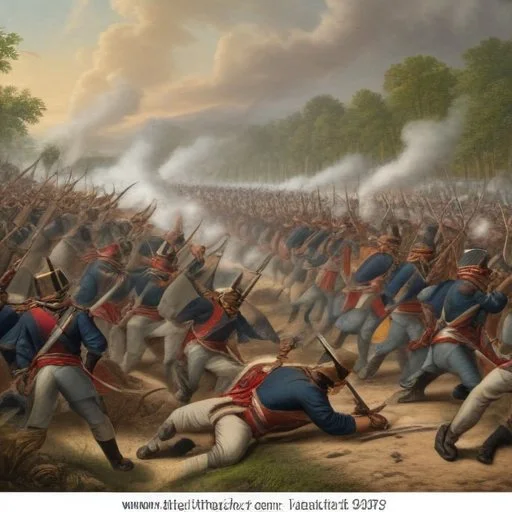
In the summer of 1863, the Confederacy was facing a series of setbacks, including the loss of key cities and territories. Vicksburg, a vital stronghold on the Mississippi River, was under siege by Union forces led by General Ulysses S. Grant. Desperate to break the siege, Confederate leaders devised a plan to launch a diversionary attack on Helena, Arkansas, hoping to draw Union troops away from Vicksburg and provide relief to their besieged comrades.
On the morning of July 4, 1863, Confederate forces launched a three-pronged attack on Helena, hoping to catch the Union troops off guard. However, Prentiss had anticipated the attack and positioned his men accordingly. The Union troops held their ground, repelling the Confederate advances and inflicting heavy casualties. By the end of the day, the Confederates had suffered a crushing defeat, with estimates suggesting over 1,600 casualties compared to the Union's 200.
The Battle of Helena had a profound impact on the people of Arkansas, many of whom had sympathy for the Confederate cause. The Union victory led to a shift in public opinion, with many Arkansans beginning to question the wisdom of secession. The battle also had far-reaching cultural implications, as it marked a turning point in the war and paved the way for Reconstruction efforts in the aftermath of the conflict.
The bravery and sacrifice of the Union troops during the Battle of Helena served as a beacon of hope for those fighting for the Union cause. The victory at Helena inspired confidence in the Union army, demonstrating that with determination and strategic prowess, the Confederacy could be defeated. For the people of Arkansas, the battle marked a turning point in their history, as they began to envision a future free from the shackles of slavery and secession.
The Battle of Helena remains an often-overlooked yet pivotal chapter in the American Civil War. It was a testament to the bravery and strategic prowess of Union forces, and a turning point in the war that paved the way for the ultimate defeat of the Confederacy. As we reflect on this pivotal battle, we are reminded of the power of determination and the importance of preserving the Union.
Less is known about Brigadier General Benjamin M. Prentiss, the commander of the Union forces during the Battle of Helena, than his Confederate counterpart, General Theophilus H. Holmes. However, it was Prentiss' strategic prowess and bravery that won the day for the Union. Born in 1819 in Virginia, Prentiss moved to Missouri in his early twenties, where he became a successful lawyer and politician. He raised a regiment of Missouri volunteers at the outbreak of the Civil War and quickly rose through the ranks, earning a reputation as a skillful and daring commander.
Prentiss' defense of Helena was a masterclass in military strategy. Despite being outnumbered, he cleverly positioned his troops to repel the Confederate attacks, using the terrain to his advantage. His leadership was instrumental in securing the Union victory, which had far-reaching consequences for the war effort.

The Battle of Helena had a profound impact on the cultural landscape of Arkansas and the wider Confederacy. The defeat was a crushing blow to Confederate morale, and the loss of Vicksburg and Helena marked a turning point in the war. The Union victory paved the way for the capture of Little Rock, Arkansas, and the eventual emancipation of slaves in the state.
The battle also had significant cultural implications for the people of Arkansas. Many sympathized with the Confederate cause, but the Union victory led to a shift in public opinion, with increasing numbers questioning the wisdom of secession. The battle marked a turning point in the state's history, as Arkansans began to envision a future free from the shackles of slavery and secession.
The Battle of Helena was a culmination of a series of events that began months earlier. In the spring of 1863, Union forces led by General Ulysses S. Grant launched a campaign to capture the strategic city of Vicksburg, Mississippi. The Confederacy, desperate to relieve the siege, devised a plan to launch a diversionary attack on Helena, Arkansas.
In June 1863, Confederate General Theophilus H. Holmes was tasked with leading the expedition to Helena. Holmes' forces consisted of a motley crew of Arkansas and Texas regiments, which he had to assemble and train hastily. Despite the odds, Holmes was determined to succeed, driven by the knowledge that the fate of Vicksburg hung in the balance.
The Battle of Helena was documented through a range of primary sources, including diaries, letters, and photographs. One of the most significant artifacts from the battle is a series of sketches made by a Union soldier, Charles W. Chapman. Chapman's sketches provide a vivid and intimate portrait of life in the Union camp, capturing the moments of tension and relaxation in the days leading up to the battle.
Other primary sources, such as the diary of Confederate soldier John A. Williams, offer a glimpse into the experiences of the Confederate forces. Williams' diary provides a poignant account of the battle, detailing the confusion and chaos that reigned on the Confederate lines.
The Battle of Helena took place against the backdrop of a rapidly changing geopolitical landscape. The fall of Vicksburg and Helena marked a significant shift in the balance of power in the Trans-Mississippi region, paving the way for the eventual capture of Little Rock, Arkansas.
The Union victory also had far-reaching implications for the war effort as a whole. The capture of Vicksburg and Helena secured the Mississippi River for the Union, splitting the Confederacy in two and making it increasingly difficult for the rebels to communicate and coordinate their efforts.