Bosnia and Herzegovina breaks free from Yugoslavia.
After centuries of Turkish rule and decades under Yugoslavian control, Bosnia and Herzegovina's people yearned for self-governance. On March 1, 1992, this multi-ethnic nation, nestled in the Balkan Peninsula, courageously declared its independence from the crumbling Socialist Federal Republic of Yugoslavia. With the Bosnian Muslims, Serbs, and Croats unified in their pursuit of autonomy, they bravely forged a path towards sovereignty, paving the way for a new era of national identity and democratic rule.
Bosnia and Herzegovina's Courageous Leap Towards Independence
In a bold move that would change the course of history, Bosnia and Herzegovina declared its independence from the Socialist Federal Republic of Yugoslavia on March 1, 1992, marking a significant milestone in the country's struggle for self-governance. This seismic event not only paved the way for a new era of national identity and democratic rule but also brought an end to centuries of Turkish rule and decades of Yugoslavian control.
Historical Background: A Quest for Autonomy
Bosnia and Herzegovina's journey towards independence was a long and arduous one, marked by centuries of foreign rule and domination. The country had been under Turkish control since the 15th century, followed by Austro-Hungarian rule in the late 19th and early 20th centuries. Following World War II, Bosnia and Herzegovina became part of the Socialist Federal Republic of Yugoslavia, led by Josip Broz Tito.
Key Figures Involved: Unity in Diversity
The declaration of independence was made possible by the unity and determination of Bosnia and Herzegovina's three main ethnic groups: Bosnian Muslims, Serbs, and Croats. Key figures such as Alija Izetbegović, a Bosniak politician and lawyer, and Franjo Tuđman, a Croatian nationalist, played crucial roles in the country's struggle for independence.
Timeline of Events: A Path to Sovereignty
The road to independence was marked by a series of significant events, including:
- February 29, 1992: A referendum on independence is held, with over 99% of voters supporting separation from Yugoslavia.
- March 1, 1992: Bosnia and Herzegovina declares its independence from Yugoslavia, sparking a brutal civil war that would last for three years.
- April 6, 1992: The Bosnian War begins, pitting Bosniaks, Croats, and Serbs against each other.
- December 14, 1995: The Dayton Peace Accords are signed, bringing an end to the Bosnian War and establishing a fragile peace.
Major Outcomes and Impacts: A New Era of National Identity
The declaration of independence had far-reaching consequences, including:
- The establishment of a sovereign state, recognized by the international community.
- The creation of a new national identity, marked by a sense of unity and belonging among Bosnia and Herzegovina's diverse ethnic groups.
- The introduction of democratic rule, with the country holding its first free elections in 1996.
Cultural and Social Influences: A Nation Reborn
The declaration of independence had a profound impact on Bosnia and Herzegovina's cultural and social fabric, including:
- A resurgence of national pride and identity, marked by a renewed interest in traditional music, art, and literature.
- A shift towards a more secular society, with a greater emphasis on democratic values and human rights.
- The emergence of a new generation of Bosnian and Herzegovinian leaders, committed to rebuilding and developing their country.
Controversies and Public Perception: A Complex Legacy
The declaration of independence remains a complex and contested issue, with ongoing debates surrounding:
- The role of international intervention in the Bosnian War.
- The legacy of war crimes and human rights abuses committed during the conflict.
- The ongoing process of reconciliation and nation-building in a post-war Bosnia and Herzegovina.
Conclusion: A Nation Forged in Courage and Resilience
Bosnia and Herzegovina's declaration of independence on March 1, 1992, was a testament to the power of unity and determination in the face of overwhelming odds. As a nation forged in courage and resilience, Bosnia and Herzegovina continues to navigate the complexities of post-war reconstruction, proudly embracing its unique cultural heritage and commitment to democratic values.
Character Analysis
Alija Izetbegović: A Visionary Leader
Alija Izetbegović, a Bosniak politician and lawyer, played a crucial role in Bosnia and Herzegovina's struggle for independence. Born in 1925, Izetbegović was a key figure in the country's democratic movement, advocating for human rights and democracy. He became the first president of Bosnia and Herzegovina in 1992, leading the country through the tumultuous period of war and reconstruction.
Izetbegović's leadership was marked by his commitment to national unity and his ability to bring together the country's diverse ethnic groups. Despite facing numerous challenges, he remained resolute in his pursuit of independence and democracy, earning him international recognition and respect.
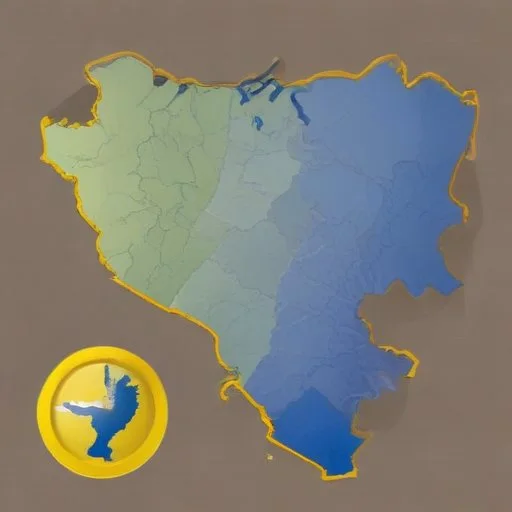
Economic Consequence Analysis
Economic Consequences of Independence
The declaration of independence had significant economic implications for Bosnia and Herzegovina. The country's economy, heavily reliant on Yugoslavia, faced a severe crisis following the withdrawal of Yugoslavian support. The subsequent war further exacerbated the economic situation, with widespread destruction and displacement of people.
However, the international recognition of Bosnia and Herzegovina's independence led to an influx of foreign aid and investment, which helped to stabilize the economy. The country has since made significant progress in rebuilding and developing its economy, with a focus on tourism, agriculture, and industry.
Cultural Significance Study
The Cultural Renaissance of Bosnia and Herzegovina
The declaration of independence sparked a cultural renaissance in Bosnia and Herzegovina, as the country sought to reclaim its rich cultural heritage. The war had devastating effects on the country's cultural institutions and artifacts, but the independence movement inspired a new generation of artists, writers, and musicians.
The country's unique blend of Ottoman, Austro-Hungarian, and Slavic influences has given rise to a distinct cultural identity, which is reflected in its literature, music, and art. The cultural revival has also led to a renewed interest in traditional crafts, cuisine, and folklore, further enriching the country's cultural landscape.
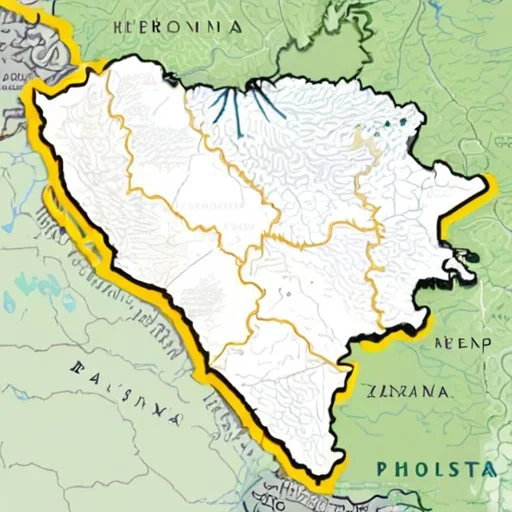
In-Depth Ideological Examination
Ideological Foundations of Independence
The declaration of independence was rooted in the country's complex ideological landscape. The struggle for independence was influenced by a mix of nationalist, democratic, and Islamist ideologies, which shaped the country's political discourse.
The independence movement drew inspiration from the country's rich history, including the Ottoman and Austro-Hungarian empires, as well as the Yugoslavian experience. The ideologies of key figures like Alija Izetbegović and Franjo Tuđman played a crucial role in shaping the country's political trajectory, reflecting a complex interplay of nationalist, religious, and democratic ideals.
Comprehensive Geopolitical Review
Bosnia and Herzegovina's Position in the Global Context
The declaration of independence placed Bosnia and Herzegovina at the center of global attention, highlighting the country's strategic importance in the Balkans. The country's independence was closely watched by international powers, which sought to maintain regional stability and prevent further conflict.
Bosnia and Herzegovina's integration into the international community was facilitated by its membership in organizations like the United Nations, the Council of Europe, and the European Union. The country's independence has also created opportunities for regional cooperation, as it seeks to strengthen ties with neighboring countries and participate in regional initiatives.


